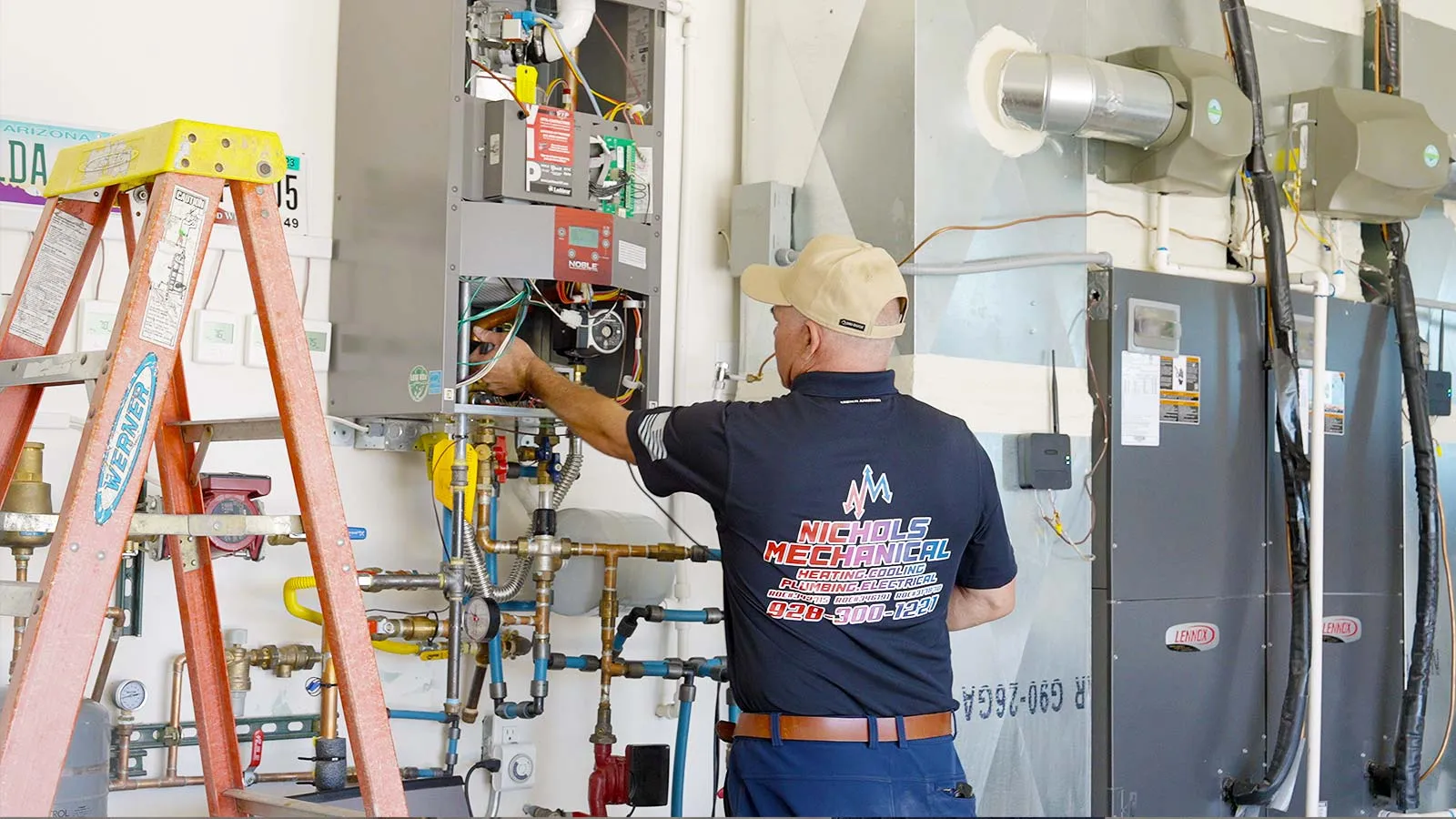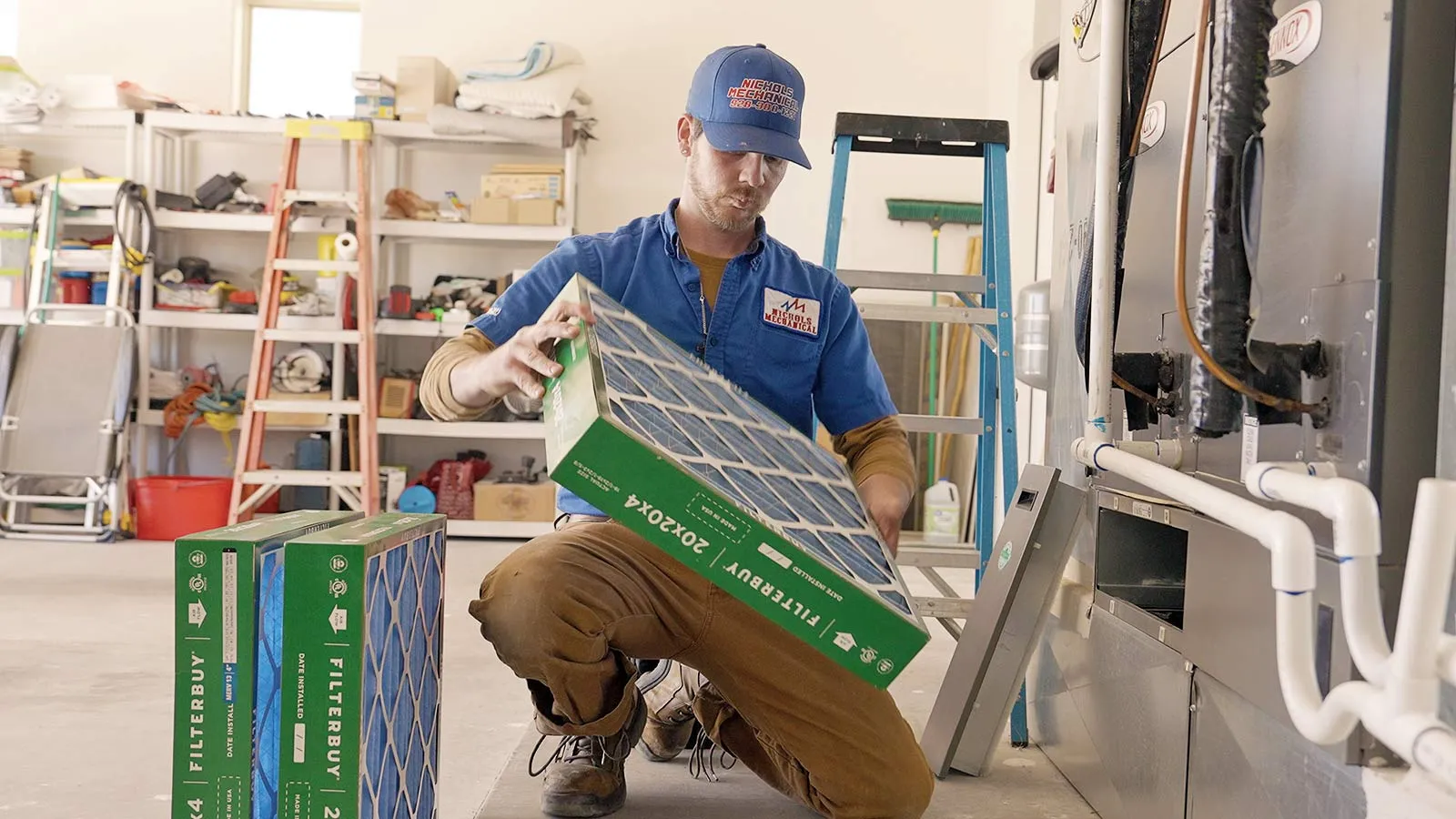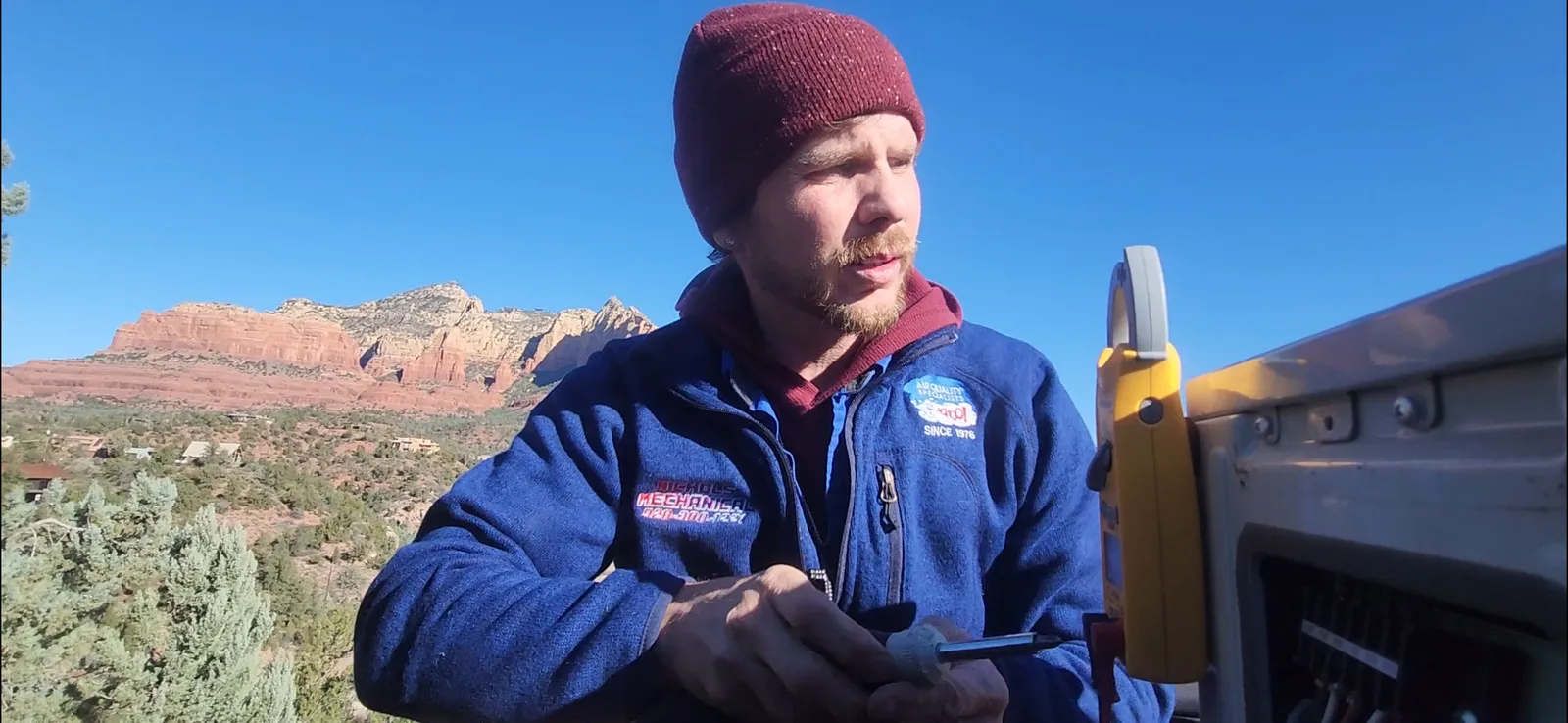
Yes. Propane furnace maintenance means a professional tune-up once a year, ideally in the fall before you need the heat every night. Propane burns clean, but the burners, igniter, flame sensor, venting, heat exchanger and safety switches still wear, collect dust and drift out of adjustment.
The propane industry's own safety guide says only a qualified professional should service propane appliances, and recommends having furnaces checked before each heating season. Here's what that check covers, how propane is different from natural gas, and the signs your furnace is overdue.
Why a propane furnace still needs a yearly check
You'll hear people say propane burns so clean the furnace doesn't need service. Clean-burning helps, but it isn't the whole story. A furnace sits idle most of the year, then runs hard for months. Dust settles on the flame sensor and burners. Spiders and insects move into vents. Belts, bearings and capacitors wear. And the parts that keep you safe, like the flame rollout switch, pressure switch and high-limit switch, only help if they still work.
The bigger reason is carbon monoxide. Any fuel-burning furnace can make it if the flame isn't burning right or the venting is blocked or cracked. A yearly check is how you catch that before it matters.
One professional tune-up a year, plus a filter check every month or two while the heat is running.
What a propane furnace tune-up covers
A good tune-up is part cleaning, part testing and part safety check. Here's what a thorough one usually includes:
- Clean the burners and check for a steady, even blue flame
- Clean and test the flame sensor and igniter (or pilot, on older units)
- Check gas pressure at the valve and confirm it matches the furnace's propane setup
- Inspect the heat exchanger for cracks or corrosion
- Check the flue and venting for blockages, gaps and rust
- Test the safety switches: high-limit, rollout and pressure switch
- Check the blower, motor and capacitor, and clean the blower wheel if needed
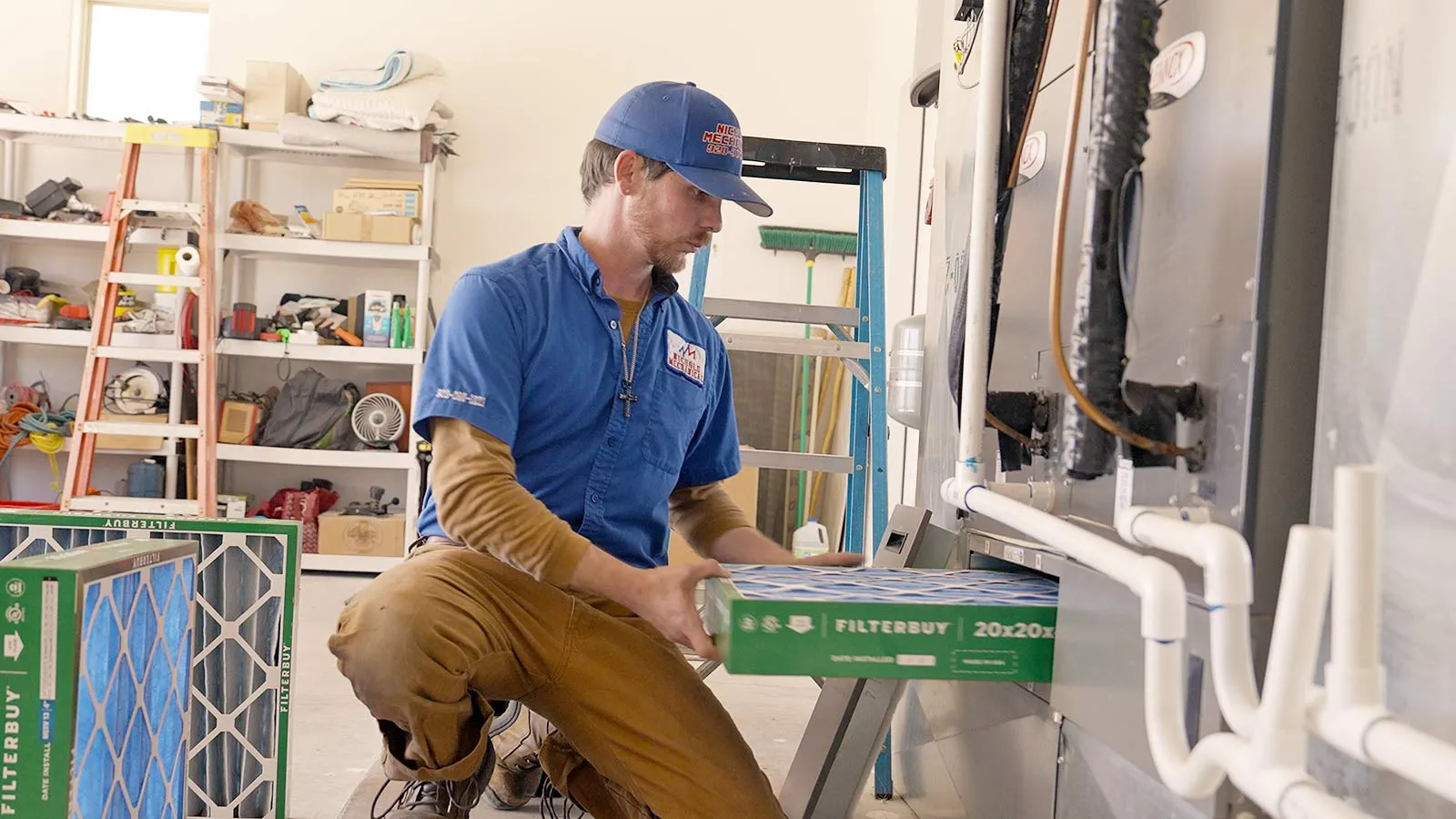
- Check the filter and replace it if it's dirty
- Test carbon monoxide levels and run the furnace through a full heating cycle
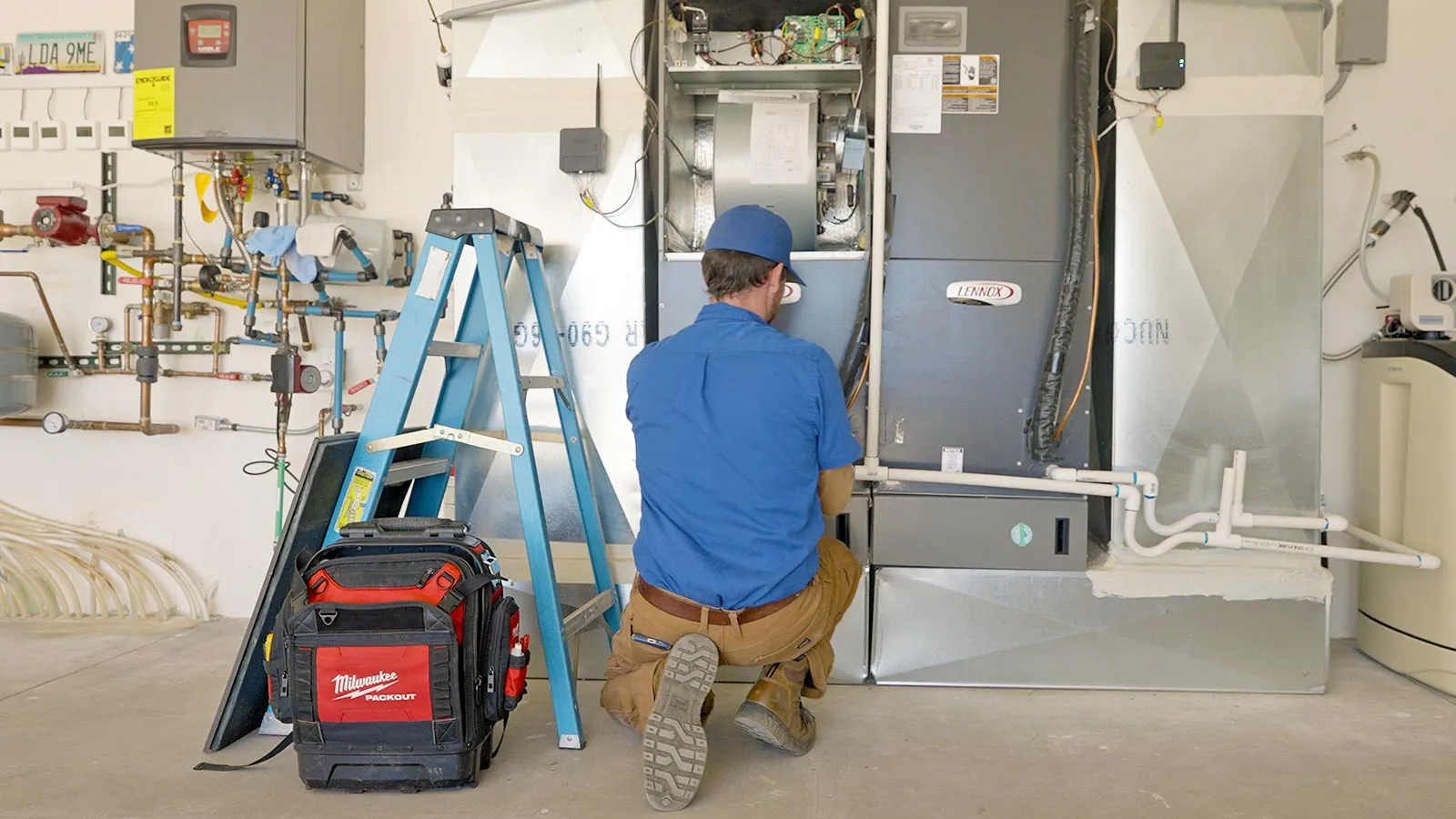
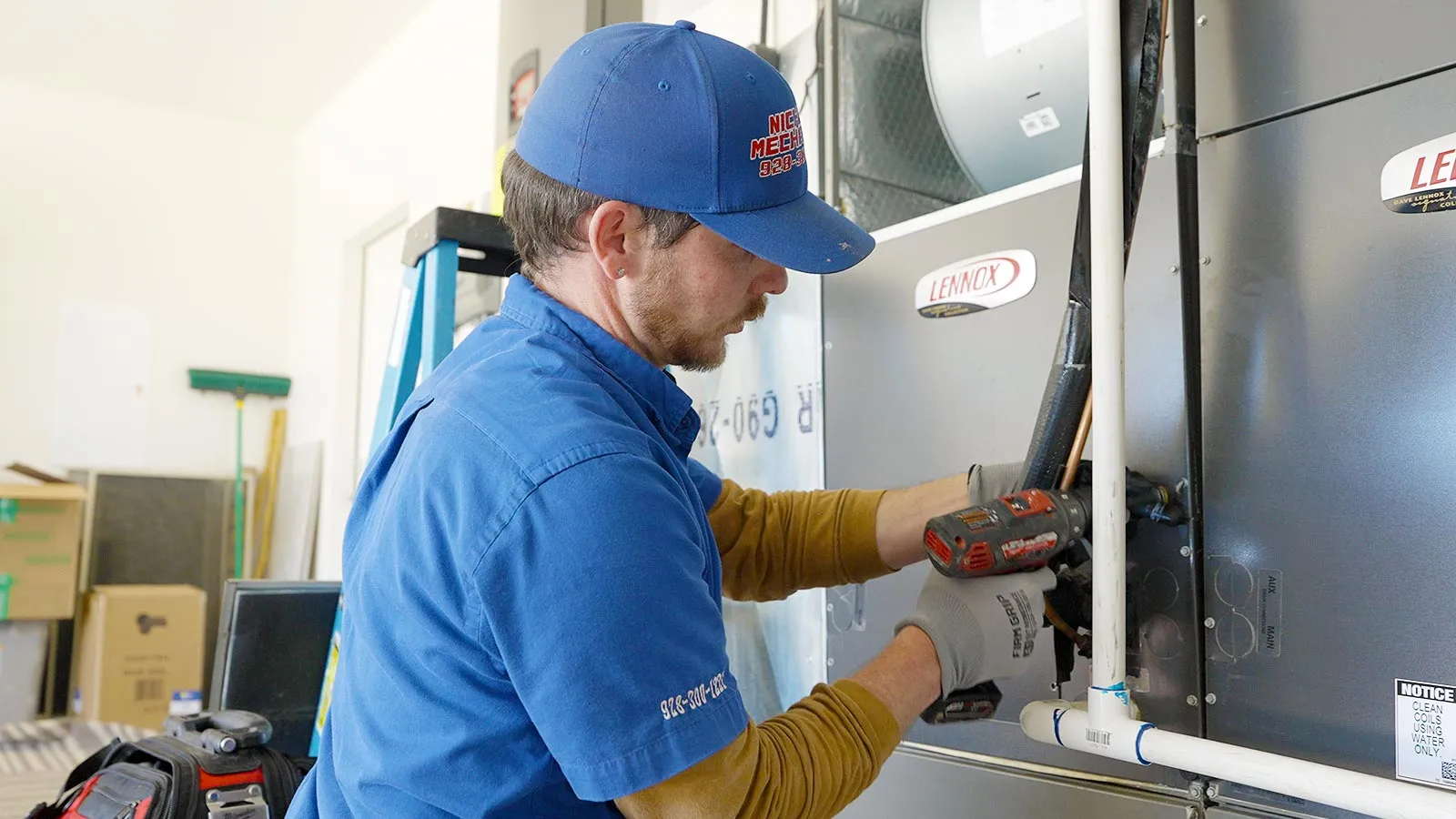
Our heating maintenance and tune-ups page covers how our techs inspect, clean and test your system, then walk you through anything they find. We work on both natural gas and propane furnaces.
Propane vs. natural gas: what's different
Most gas furnaces can run on either fuel, but they have to be set up for the one you use. Propane is delivered at a different pressure than natural gas, so the furnace uses different burner orifices and a different gas valve setting. A furnace set up for the wrong fuel can burn poorly, make soot or produce carbon monoxide.
| Natural gas | Propane | |
|---|---|---|
| Where it comes from | Utility line to a meter | Tank on your property, filled by delivery |
| Furnace setup | Factory standard | Needs a propane conversion kit or factory propane setup |
| Running out | Rare | Possible if the tank runs low |
| After an outage or run-out | Utility handles the line | A qualified professional must leak-check the system before the gas goes back on |
| Yearly tune-up | Yes | Yes, plus a check that the propane setup and pressure are right |
If your furnace was ever converted, or you bought a home and aren't sure what it was set up for, the first tune-up is a good time to have that confirmed.
If your propane tank runs out
When a propane tank runs dry, pilot lights go out and the system loses pressure. Turning the gas back on isn't a do-it-yourself job. The Propane Education & Research Council's safety guide for propane users says a qualified professional must check the system for leaks when the gas is turned back on, and that a qualified professional should light pilot lights.
After a run-out, call your propane supplier for the delivery and leak check. If the furnace still won't light or keeps going out once gas is back on, that's when to call us.
Signs your propane furnace is overdue
- It clicks or tries to start but won't stay lit
- The flame looks yellow, orange or lazy instead of steady blue
- Black soot around the burners or the vent
- A smell when the furnace starts, beyond the normal first-run dust smell
- It turns on and off more often than it used to
- You're going through propane faster with no change in how you heat
- Your carbon monoxide alarm goes off (get out first, then call)
If yours is making new noises, our guide to furnace noises explains which ones mean stop and call. For the simple things you can do between tune-ups, see furnace care habits.
What we hear on calls
One of the first things our office asks on a heating call is whether the home runs on natural gas or propane. When a caller told us, "It's gas. It's propane," the answer was simple: "Okay, yeah, we work on them."
Propane furnace owners call us to schedule fall tune-ups. We also hear from homeowners who got one propane heater going but couldn't get a second furnace to light, and from people whose tankless propane water heater wouldn't restart after the tank ran dry.
When to schedule your tune-up
Early fall is best, before the first cold snap. That way any problem gets fixed before you're depending on the furnace every night. If you're already into heating season and it hasn't been checked, it's still worth doing now.
If you'd rather not keep track, our maintenance plans handle the yearly visits for you. Current tune-up offers are on our coupons page.
We serve Cornville from our Cottonwood shop. See our services in Cornville.
Questions
Book your propane furnace tune-up
Call the Nichols crew to get your furnace checked before the cold nights hit.
Licensed, bonded and insured · 24/7 emergency service