The first cold night of the season is when most furnace noises get discovered, because the system has been sitting idle since spring and is suddenly asked to run. In Cottonwood, Sedona, Camp Verde, and the Prescott area that off-season stretches for months, which is long enough for dust to settle on burners, for bearings to dry out, and for small mechanical problems to develop quietly.
A new furnace noise is almost always the earliest warning you will get. Catching it at the noise stage usually means a service call. Waiting until it stops working usually means something larger. This guide walks through what each sound typically indicates, which ones are urgent, and what you can reasonably check yourself before calling a technician.
Sounds That Are Normal
Before troubleshooting, it helps to know what a healthy furnace sounds like. Several noises are just the system working.
- A soft hum from the blower motor and transformer while the system runs.
- A gentle whoosh of air moving through supply registers.
- A click when the thermostat calls for heat and the sequence begins.
- Light ticking from ductwork expanding and contracting as it warms and cools.
- A brief whir from the inducer motor before the burners light.
The useful test is not whether a sound exists but whether it is new. Systems develop a signature over time, and you know yours better than you think. A noise that has changed in pitch, volume, or timing is the one worth paying attention to. If you want the background on what each component is doing during a heating cycle, our guide to how HVAC systems work lays out the sequence.
Sound-by-Sound Diagnosis
Use this table to narrow down what you are hearing. Urgency reflects how quickly the issue tends to escalate, not how loud it is.
| Sound | Likely cause | Urgency |
|---|---|---|
| Booming or loud pop at startup | Delayed ignition from dirty burners or gas pressure issues | High — can damage the heat exchanger |
| Metal-on-metal scraping or grinding | Blower wheel loose on the shaft and striking its housing | Shut down immediately |
| Loud buzzing with a burning smell | Electrical fault, failing capacitor, or overheating motor | Shut down immediately |
| Squealing or screeching | Worn blower belt on older units, or failing motor bearings | Soon — the motor is on its way out |
| Rhythmic thumping | Blower wheel out of balance from dirt or a damaged blade | Soon — vibration causes further damage |
| Rattling or vibrating | Loose access panel, loose ductwork, or debris in the cabinet | Moderate — check panels first |
| Whistling or high-pitched hiss | Restricted airflow: clogged filter, closed registers, or a return leak | Moderate — check the filter first |
| Repeated clicking, no ignition | Failing igniter, dirty flame sensor, or a gas supply issue | Moderate — the system is not heating |
| Chirping | Often normal on startup; persistent chirping suggests inducer bearing wear | Low, unless it persists |
| Bang when the blower stops | Ductwork flexing as pressure changes, sometimes called oil canning | Low — a duct design issue, not a safety one |
Three Noises That Mean Stop Now
Most furnace sounds can wait for a scheduled appointment. These three cannot.
Metal on metal
A harsh scraping or grinding almost always means the blower wheel has worked loose and is contacting the housing. Every additional minute of runtime does more damage, and the repair grows from a straightforward fix to a full blower assembly replacement. Turn the system off at the thermostat.
Loud buzzing with a burning smell
Buzzing on its own can be a failing capacitor. Buzzing combined with any burning or acrid smell means something electrical is overheating. Shut the system down at the thermostat and, if the smell is strong, at the breaker.
A boom with a gas smell
A booming ignition is a problem on its own. Combined with a smell of gas, it is an emergency. Leave the house, then call your gas utility or 911 from outside before you call an HVAC contractor.
Safety note: a cracked heat exchanger can release carbon monoxide into the air your furnace circulates, and it is odorless. Working CO detectors on every level of the home are not optional with any combustion appliance. If detectors alarm, leave the building and call for help from outside.
The Bang at Startup, Explained
The startup boom deserves its own section because homeowners so often dismiss it as the house settling.
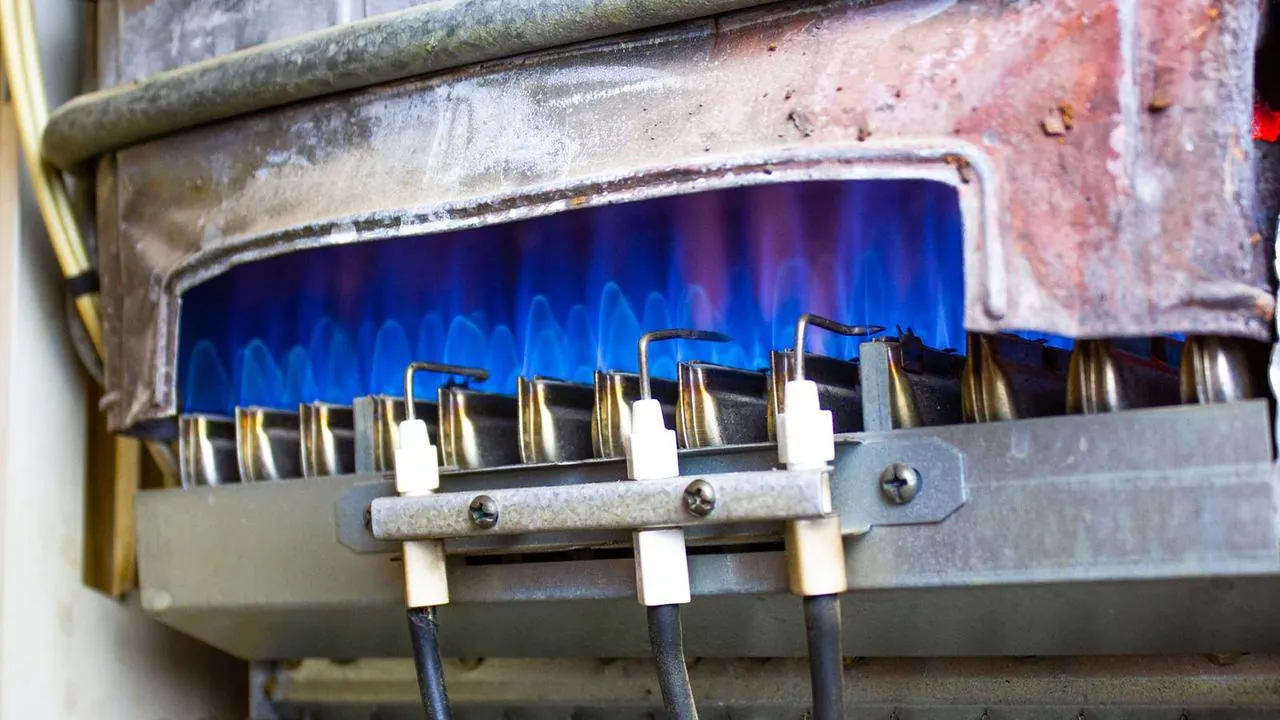
Here is what is actually happening. When the thermostat calls for heat, the gas valve opens and the igniter fires. In a healthy furnace the flame spreads across all burner ports within about a second. If the burners are dirty, or the igniter is weak, or the gas pressure is off, ignition is delayed. Gas keeps flowing into the combustion chamber during that delay, and when it finally lights, it lights all at once.
That is a small, contained explosion inside your furnace. The pressure wave stresses the heat exchanger, and a cracked heat exchanger is both an expensive repair and a carbon monoxide risk. The U.S. Department of Energy notes that combustion safety and proper maintenance are central to safe furnace operation, and delayed ignition is exactly the sort of fault an annual service visit catches.
The reason this shows up so reliably in Arizona is the long off-season. Dust, insects, and spider webs accumulate on burner assemblies over months of disuse, then obstruct the flame path the first time you ask for heat in the fall. It is common, it is fixable, and it should be handled by a technician rather than lived with.
Why Arizona Furnaces Develop These Noises
A long idle season
A furnace here may sit unused from spring into fall. Bearings dry out, seals stiffen, and debris accumulates. The first cold snap is effectively a cold start after most of a year.
Fine desert dust
Dust loads filters faster than manufacturers assume, coats blower wheels, and settles on burners. A dirty blower wheel goes out of balance, which produces the rhythmic thumping in the table above, and a coated one moves less air.
Monsoon debris
Summer storms drive dust and organic matter into return-air paths and around outdoor equipment. Some of it ends up in the furnace cabinet.
Wide daily temperature swings
Ductwork expands and contracts through large daily ranges here, which loosens joints and hangers over the years. That is a common source of rattling that gets blamed on the furnace itself.
Airflow restriction sits behind more of these problems than most homeowners realize, and it also affects what you breathe. Our post on furnace health and indoor air quality covers that connection, and air duct cleaning is worth considering if the ducts have never been serviced.
What You Can Check Yourself
A few things are genuinely worth checking before you call. None involve opening the burner compartment or touching gas or electrical connections.
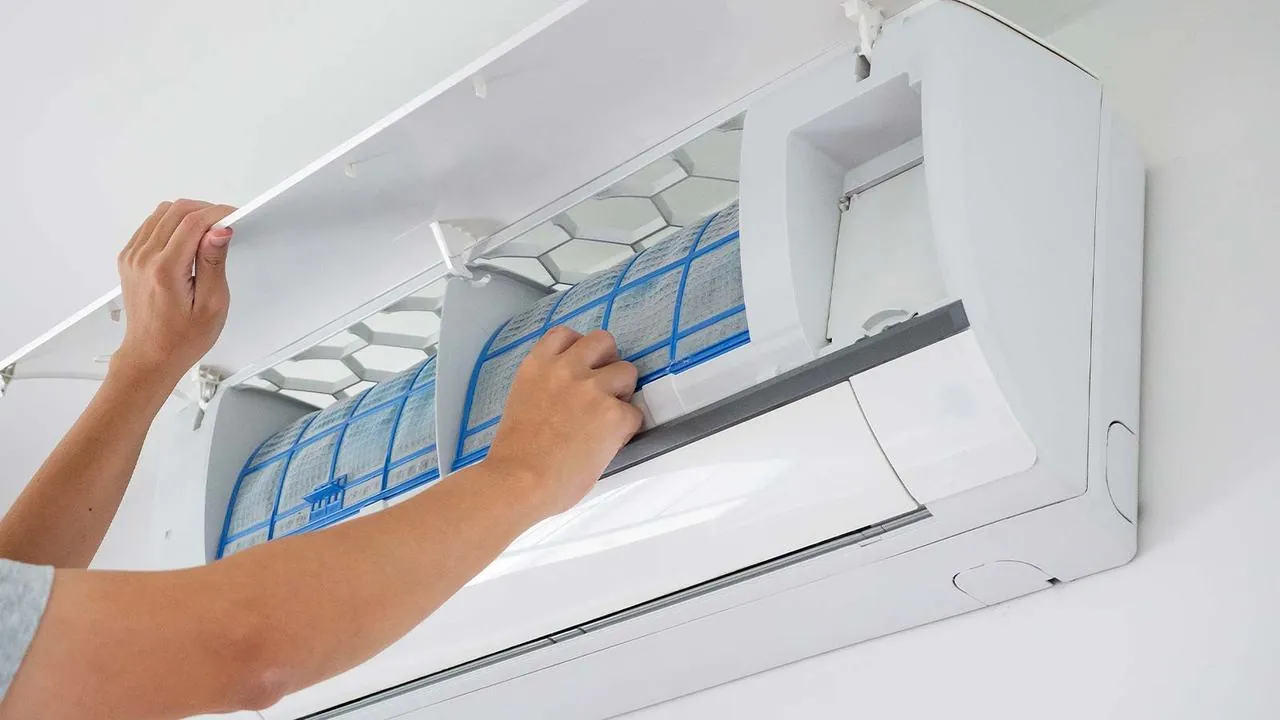
- The air filter. If it is grey and loaded, replace it and listen again. This resolves a surprising share of whistling and strained blower noise.
- Access panels. Make sure they are seated and their fasteners are snug. Loose panels rattle against the cabinet.
- Supply and return registers. Confirm nothing is closed off or blocked by furniture. Restricting airflow raises static pressure and creates noise.
- The area around the unit. Combustion appliances need clear space, and stored items do not belong against a furnace.
- Your thermostat setting. Switching the fan from AUTO to ON changes what you hear and helps you tell blower noise from burner noise.
- When the noise occurs. Note whether it happens at ignition, during the run cycle, or at shutdown. That single detail narrows the diagnosis considerably.
Rule of thumb: if a filter change and a check of the panels does not resolve it, the next step is a technician rather than a video tutorial. Furnace repair involves gas, high voltage, and a heat exchanger whose integrity is a safety matter. Our heating repair team handles the rest.
Preventing Noises Next Season
Nearly every noise on this list traces back to wear, debris, or something loose. All three are what annual pre-season maintenance is designed to catch.
- Schedule service in the fall, before the first cold snap rather than during it.
- Have the burners cleaned, which is the direct fix for delayed ignition.
- Have the blower assembly inspected, including the wheel, motor, and any belt.
- Have the heat exchanger checked for cracks as a routine safety item.
- Change filters on a real schedule. Dusty conditions here often mean more often than the box says.
- Have panels and duct connections tightened while a technician is already on site.
For the habits that make the biggest difference between visits, our post on simple furnace care habits is a good companion to this one. A maintenance plan keeps the fall visit from being the thing that gets forgotten in a warm October.
How Nichols Can Help
Nichols Plumbing, Electrical, & HVAC is a family-owned, triple-licensed contractor based in Cottonwood, serving the Verde Valley, Prescott, Sedona, and Camp Verde areas. We diagnose and repair furnaces and heat pumps across all major brands as part of our full range of heating services.
Diagnosing noise properly means finding the cause, not just quieting the symptom. Our technicians check gas pressure and combustion, inspect the heat exchanger, and evaluate static pressure across the system, because a whistling register and a failing blower motor can share a single root cause in restricted airflow. Fixing the noise without fixing the restriction just means the replacement part fails the same way.
We offer 24/7 emergency heating service for the noises that cannot wait, plus scheduled heating maintenance and tune-ups and heating installation when a system has reached the end of its life. Every job is backed by our 100% satisfaction guarantee, and we offer a free second opinion if you already have a quote. You can reach our team or read more about our family-owned company any time.
The short version: a furnace noise that is new is worth a phone call. Metal on metal and buzzing with a burning smell are worth shutting the system off for. A boom with a gas smell means leave the house and call the gas utility or 911 from outside. Everything else is usually a service visit rather than a replacement, provided you do not wait.
Hearing Something You Have Not Heard Before?
Nichols will diagnose the cause rather than just quiet the symptom, with 24/7 emergency heating service for the sounds that cannot wait until morning.
Request Service Online