Your home’s furnace quietly carries a heavy load. It works through cold nights, unexpected temperature drops, and the busiest holiday gatherings, all while you depend on it to keep your family safe and comfortable. Most modern systems are designed to last well over a decade, and many can keep running even longer when they’re cared for correctly. The difference between a furnace that ages gracefully and one that fails early often comes down to the small, repeatable habits you follow throughout the year.
Ignoring basic care doesn’t always cause an immediate breakdown. Instead, wear and tear builds up slowly. Dirty filters make the blower work harder, blocked vents stress important components, and skipped inspections allow minor issues to turn into major, expensive repairs. Over time, this extra strain shortens the life of your furnace, forces it to use more energy, and leaves you dealing with more frequent service calls and uncomfortable rooms.
The good news is that you don’t need to be an HVAC expert to protect your system. Simple steps like replacing filters, keeping air pathways open, and scheduling a yearly checkup can add years of dependable performance. In this guide, we’ll walk through practical actions you can take to help your furnace reach its full life expectancy. These are realistic, homeowner-friendly habits that fit into everyday life and give you more confidence that your system will be ready when you need it most.
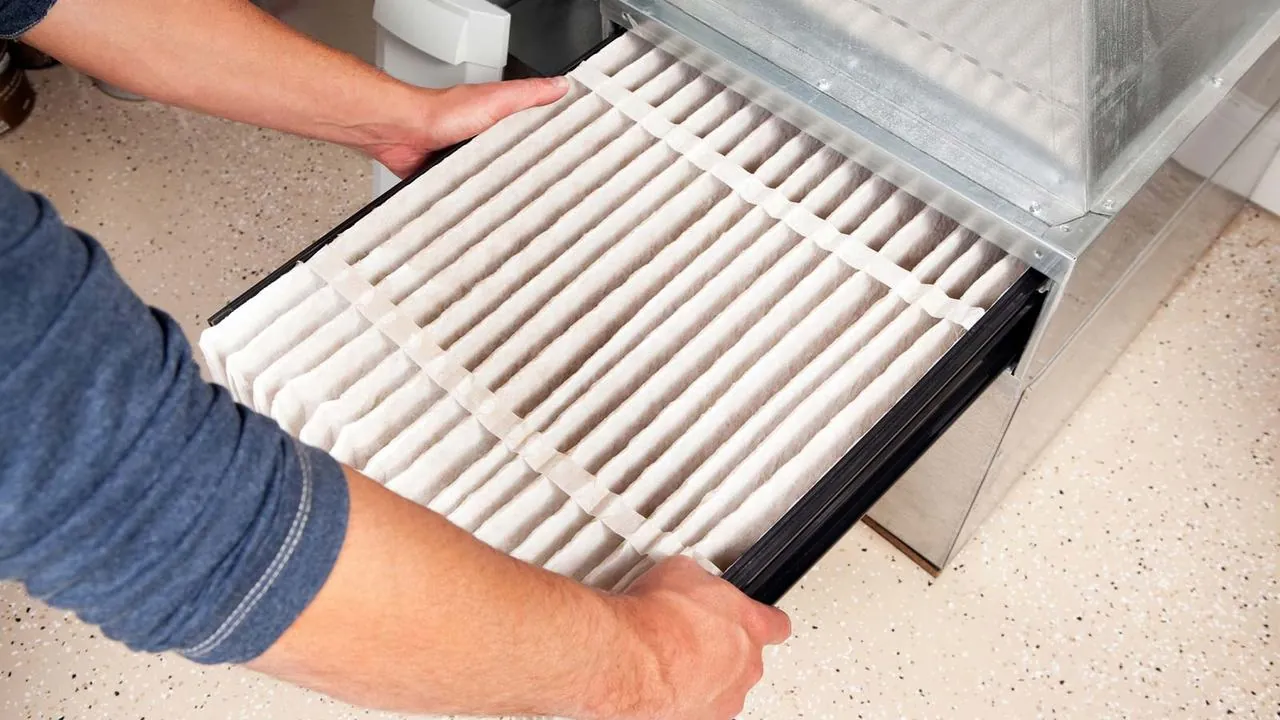
1. Change Your Furnace Filter on Time, Every Time
If you do only one thing consistently for your furnace, make it this: replace the air filter on schedule. That thin rectangle of material has a big job. As air passes through, the filter captures dust, pet hair, pollen, and other particles before they reach your furnace’s internal components. When the filter is clean, air moves freely, the blower motor doesn’t have to overwork, and your system can heat your home efficiently. When it’s clogged, everything becomes harder, hotter, and more stressful for your equipment.
A dirty filter restricts airflow, which makes your furnace run longer and work harder to reach the temperature set on your thermostat. This extra strain can overheat parts, reduce efficiency, and increase energy bills. In severe cases, a badly clogged filter can cause safety switches to trip or lead to premature failure of the blower motor or heat exchanger. All of this shortens the lifespan of the system. Replacing the filter regularly is one of the easiest ways to protect your investment.
Most standard 1-inch filters should be checked every month and replaced every 1–3 months, more often if you have pets or a lot of dust. Thicker or specialty filters may have longer lifespans, but they still need regular attention. Set reminders on your phone, write the replacement date on the filter frame, or tie the task to a recurring event like paying your utility bill. Whatever method you choose, consistency is key.
It also pays to choose the right type of filter. Higher-rated filters capture more particles, but if they’re too restrictive for your system, they can reduce airflow. Check your owner’s manual or ask a trusted HVAC professional which filter rating is appropriate. By using the correct filter and changing it on time, you’ll keep air flowing smoothly, reduce wear on your equipment, and help your furnace operate closer to the way it did when it was new.
2. Keep Vents, Registers, and Returns Clear
Your furnace is only part of the picture. The ductwork, supply vents, and return grilles throughout your home all play a role in how hard your system must work. When furniture, rugs, boxes, or curtains block these openings, air can’t move the way the system was designed to move. That imbalance forces your furnace to push against resistance, increasing pressure in the ducts and raising strain on motors and other components. Over time, this extra effort can shorten the life of your equipment.
Walk through your home and look at every vent and return. Are any covered by sofas, bookcases, beds, or long drapes? Are floor vents hidden under piles of laundry or storage bins? Even partially blocked vents can cause problems. Aim to keep at least several inches of open space around each vent to allow air to move freely. In rooms that feel too warm or too cool, resist the urge to completely close supply vents. Doing so can unbalance the system and create pressure issues that affect the whole house.
It’s also helpful to give vents and returns a quick cleaning from time to time. Dust, pet fur, and household debris collect on the louvers and grilles, making it easier for particles to get pulled into the system. A vacuum with a brush attachment or a damp cloth can remove surface buildup and keep airflow smoother. While this light cleaning doesn’t replace professional duct cleaning, it does reduce the burden on your furnace between deeper services.
By paying attention to airflow throughout your home, you’re giving your furnace a simpler job. Air circulates more evenly, rooms feel more comfortable, and your system doesn’t have to fight against artificial blockages. These small adjustments don’t cost anything but can pay off in fewer breakdowns, less noise, and a longer operating life. Think of it as clearing the path so your furnace can do its job with less effort and stress, season after season.
3. Schedule Annual Professional Tune-Ups
Even the most diligent homeowner can’t see everything happening inside a modern heating system. That’s where a yearly professional inspection comes in. Scheduling annual furnace maintenance with a qualified HVAC technician gives your system the deep attention it needs to run safely and smoothly. During a tune-up, the technician cleans internal components, checks electrical connections, tests safety controls, and looks for early signs of wear. This proactive care helps catch small issues before they become big, expensive problems.
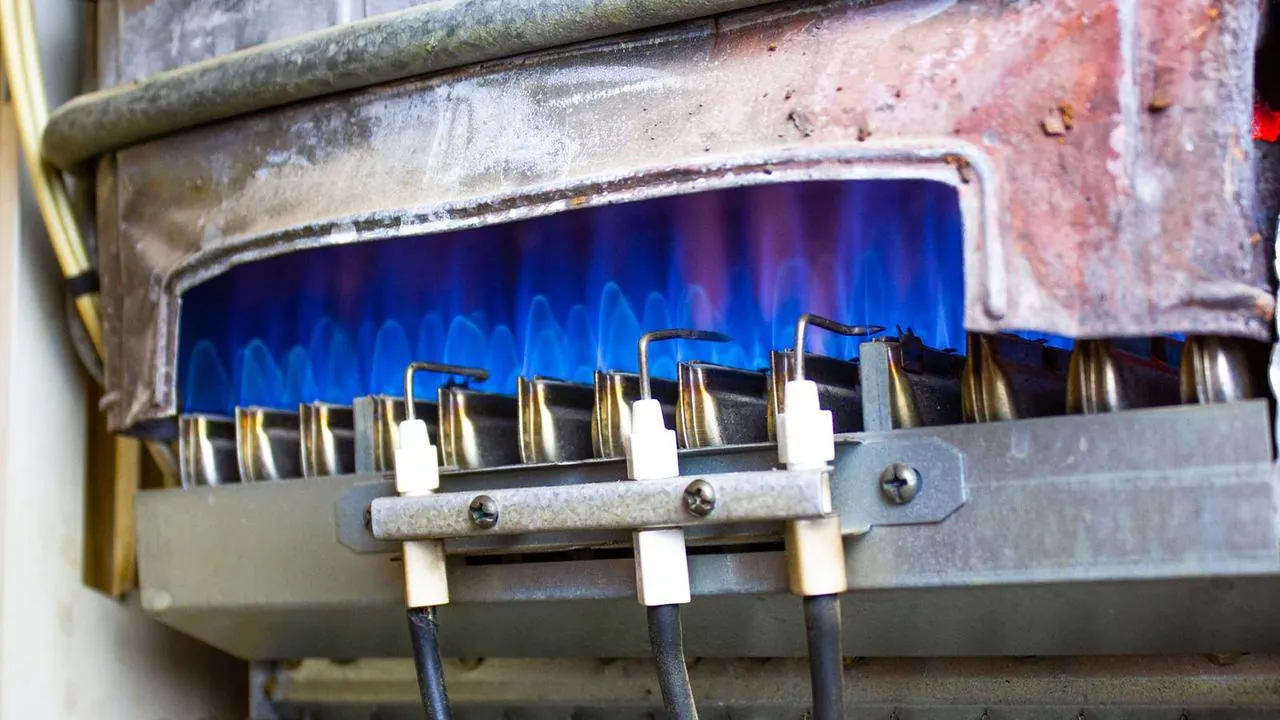
A typical professional tune-up involves checking the heat exchanger for cracks, verifying that gas connections are tight and safe, and confirming that flames are burning cleanly. The technician may adjust the blower speed, lubricate moving parts where needed, and measure temperature differences across the system to ensure proper performance. These steps don’t just make the furnace run better today; they reduce long-term stress on critical components. A system that’s regularly inspected is less likely to experience surprise breakdowns during the coldest night of the year.
Regular tune-ups also protect your warranty. Many manufacturers recommend or require periodic professional service to keep warranty coverage valid. Skipping that care can potentially leave you without protection if a major part fails early. On the other hand, keeping a record of yearly service visits shows that you’ve done your part to support the system’s full life expectancy. That peace of mind is worth the small investment in yearly maintenance.
Finally, an annual visit is your chance to ask questions about your system’s age, condition, and expected remaining lifespan. A trusted technician can help you understand how your furnace is performing, whether any parts are nearing the end of their useful life, and what to watch for in the coming seasons. That insight allows you to plan ahead instead of reacting to a sudden failure. With consistent professional tune-ups, your furnace has a much better chance of delivering reliable, efficient heat for many years.
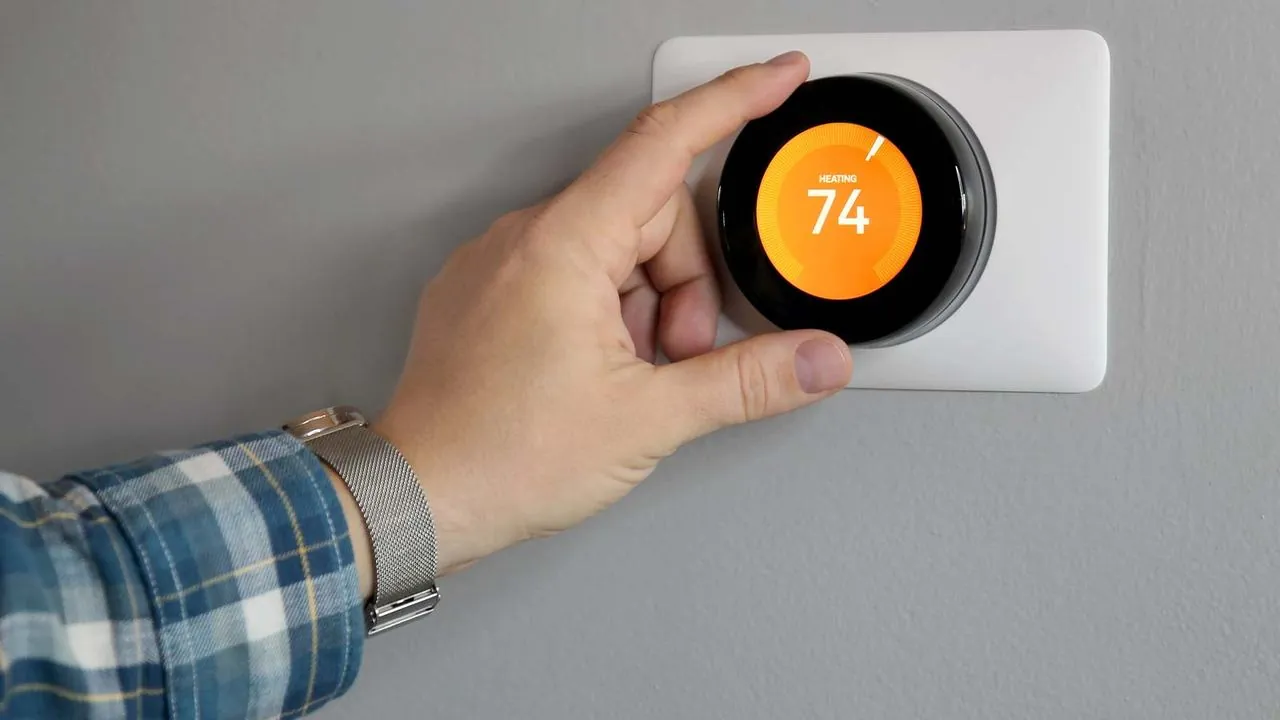
4. Use Your Thermostat Wisely and Support Good Airflow
How you use your thermostat has a direct impact on how hard your furnace needs to work. Constantly changing temperatures or pushing the thermostat far above a comfortable level won’t heat your home faster; it simply makes the system run longer. Those extended cycles create more wear on burners, blowers, and controls. Instead, aim for steady, moderate temperature settings that match your family’s comfort needs and daily routines. Small, planned adjustments put less strain on your equipment than frequent, large swings.
Programmable and smart thermostats can help by automatically lowering the temperature when you’re away or asleep and raising it when you’re home and active. Used correctly, these devices reduce unnecessary run time, which means less wear on your system over the years. Just be careful not to set extreme setbacks that make the furnace work extra hard to “catch up” multiple times a day. Balanced settings that change gradually tend to be kinder to your equipment.
Good airflow habits also support furnace health. As mentioned earlier, keeping vents clear is important, but so is managing your home’s overall environment. Closed interior doors can sometimes restrict return air pathways, especially in older homes. If certain rooms feel stuffy or noisy when the furnace runs, try leaving doors slightly open to allow better circulation. Ceiling fans set on low, clockwise operation in winter can gently push warm air down without overwhelming the system.
In addition, pay attention to indoor air quality. Excess dust, pet dander, and other pollutants make your filter clog faster and can create buildup inside the furnace and ducts. Simple steps like regular vacuuming, using bathroom and kitchen exhaust fans, and minimizing indoor smoking or burning candles can reduce particle load. When your home environment supports cleaner air and reasonable thermostat settings, your furnace doesn’t have to fight against preventable obstacles. Over time, that gentler workload contributes to a longer, more reliable life for the system.
5. Furnace Longevity FAQs: Safety, Repairs, and Professional Help
How often should I schedule professional service to help my furnace last longer? Most homeowners benefit from a professional inspection and tune-up once a year, typically in the fall before heavy use begins. This visit allows a technician to clean components, test safety controls, and spot early signs of wear. Annual service keeps performance more consistent, improves safety, and gives your system a better chance of reaching its full expected lifespan.
When is it time to call a professional instead of trying to troubleshoot myself? Simple tasks like changing filters or checking thermostat batteries are fine for most homeowners. However, if you notice unusual noises, burning smells, short cycling, or repeated error codes, it’s best to call a trained technician. Working inside the furnace or on gas and electrical components without proper training can be unsafe and may cause damage that shortens the system’s life or voids warranty coverage.
Does keeping the area around my furnace clean really make a difference? Yes, it does. Storing boxes, paint cans, or cleaning chemicals close to your furnace can restrict airflow and create safety hazards. Loose items may also attract dust and debris that get pulled into the system. Keeping a clear, clutter-free zone around the furnace improves ventilation, reduces fire risk, and allows technicians easier access for repairs and inspections, all of which support long-term reliability.
How do I know when repair costs are no longer worth it for an older furnace? As your furnace ages, repairs may become more frequent or more expensive. If your system is near or past its typical lifespan and needs major parts, it’s smart to compare repair costs with the price and benefits of a new, more efficient unit.
A trusted HVAC professional can explain your options, estimate remaining life, and help you decide whether one more repair or a planned replacement is the better long-term choice for your budget and comfort.
6. Look Beyond the Furnace: Ducts, Insulation, and Home Efficiency
Your furnace doesn’t work in isolation. The ducts, insulation, windows, and overall efficiency of your home all influence how hard the system has to run to keep you comfortable. Leaky or poorly insulated ducts, especially in attics or crawl spaces, can waste a significant amount of heat before it ever reaches your living areas. That wasted energy means longer run times and more wear on your equipment. Sealing and insulating ducts can reduce strain on the furnace and help it last longer.
Home insulation and air sealing matter, too. Drafty windows, poorly sealed doors, and thin attic insulation allow heat to escape quickly. When warm air constantly leaks out, your furnace has to cycle more often to replace it. Over years, those extra cycles add up to more mechanical stress. Improving weatherstripping, upgrading insulation where needed, and addressing major drafts make your home cozier and reduce the demand placed on your heating system.
Humidity levels also play a role. Air that is too dry or too humid can affect comfort and how your home feels at a given temperature. With balanced humidity, many people are comfortable at slightly lower thermostat settings, which means fewer and shorter furnace cycles. Whole-home humidifiers or dehumidifiers, when properly sized and maintained, support both comfort and system health by reducing the need for your furnace to run constantly to overcome an uncomfortable indoor environment.
Finally, keep an eye on your energy bills and how your home feels. Rising costs, rooms that never seem comfortable, or new noises from the system can be early warning signs that something in the overall heating setup needs attention. Addressing these clues promptly—whether through duct improvements, air sealing, or equipment checks—helps prevent long-term damage. By treating your furnace as part of a larger home comfort system, you give it the best chance to operate within its design limits and deliver years of dependable service.
Conclusion: Small Habits Add Up to a Longer-Lasting Furnace
Extending the life of your furnace doesn’t require complicated tools or a background in mechanical work. It comes down to simple, consistent habits: changing filters, keeping vents clear, scheduling yearly checkups, using your thermostat thoughtfully, maintaining a safe, uncluttered furnace area, and paying attention to the bigger picture of ducts and insulation. Taken together, these steps reduce unnecessary strain, improve efficiency, and give your system the support it needs to reach or even exceed its expected lifespan.
By making furnace maintenance a normal part of your year—rather than something you only think about when there’s a problem—you gain more than just extra years from your equipment. You enjoy quieter operation, more even comfort, and fewer surprise breakdowns. Your energy bills are easier to predict, and you can plan ahead for eventual replacement instead of being forced into a rushed decision during a cold snap. That kind of control and peace of mind is worth the small amount of time these habits take.
If you’d like expert help caring for your system, scheduling annual furnace service, or understanding your furnace’s current condition, the team at Nichols Plumbing, Electrical, & HVAC is ready to assist. A trusted local professional can answer your questions, recommend the right maintenance schedule, and ensure your furnace is operating safely and efficiently. With the right partnership and a few everyday habits, you can keep your home warm and comfortable while helping your furnace deliver reliable performance for as long as possible.