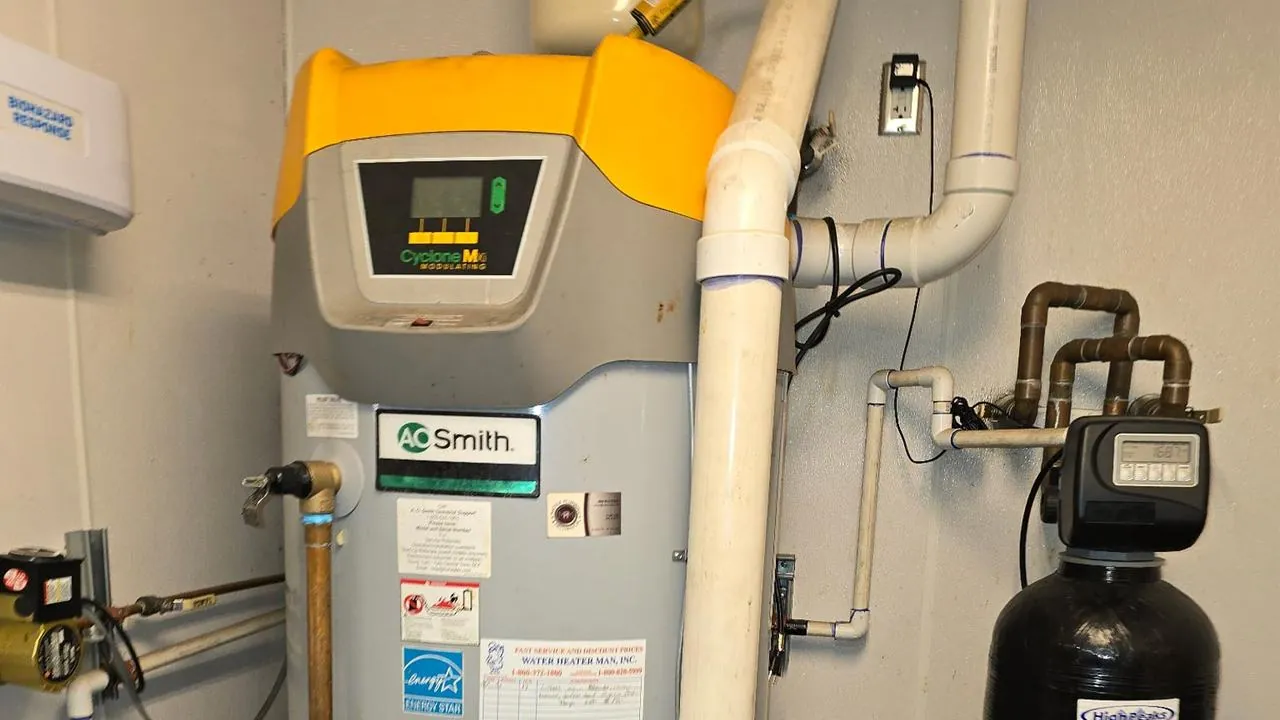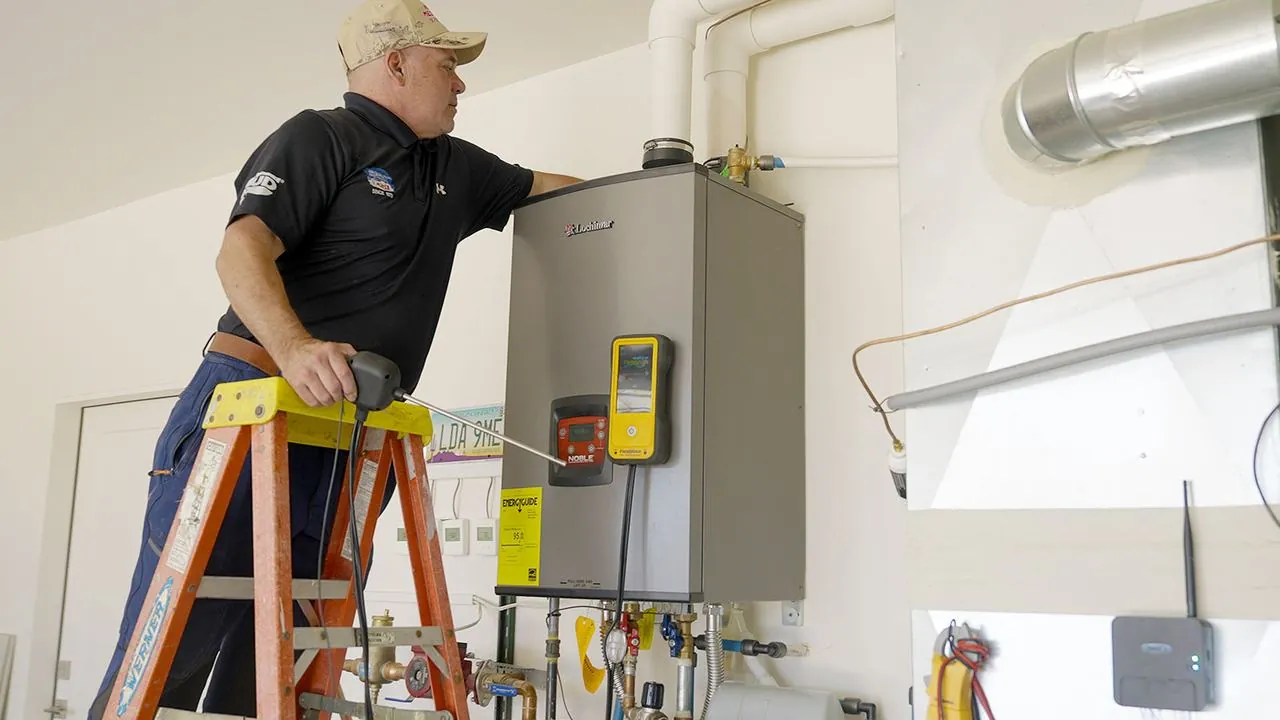
A general home inspector usually turns the furnace on with the thermostat and looks at what's visible from the outside. An HVAC furnace inspection goes further: a technician opens it up and checks the heat exchanger, burners, venting, gas connections, safety controls and carbon monoxide.
If your home inspection report says to have the furnace "evaluated by a licensed HVAC specialist," this is the inspection it means. Here's what gets checked, the red flags that come up most in home sales, and what buyers and sellers should do.
Home inspector vs. HVAC furnace inspection
A home inspector covers the whole house in a few hours, so the furnace gets a quick look. Under Arizona's home inspection standards, which every state-certified inspector must follow, the inspector runs the heating system with its normal controls and opens the panels meant for homeowner maintenance. They aren't required to look inside the flue or test the automatic safety controls. That's why so many reports end with a line recommending an HVAC specialist.
| General home inspection | HVAC furnace inspection | |
|---|---|---|
| Turns the furnace on | Yes | Yes, and runs a full heating cycle |
| Opens the cabinet | Sometimes the easy access panel | Yes, burner and blower compartments |
| Heat exchanger | Usually not inspected | Checked for cracks, rust and scorch marks |
| Venting and flue | Visible parts only | Connections, pitch, rust and blockages |
| Gas connections | Visual | Checked for leaks and correct pressure |
| Safety controls | Rarely tested | High-limit, rollout and pressure switches tested |
| Carbon monoxide | Sometimes a quick reading | Measured during operation |
| Age and condition | Noted | Explained, with repair or replace advice |
What a furnace inspection checks
A thorough furnace inspection for a home sale usually covers:
- Heat exchanger: cracks, holes, rust or scorch marks
- Burners and flame: clean, steady, even flame
- Igniter and flame sensor: starts and stays lit
- Flue and venting: tight joints, no rust-through, correct slope, clear termination
- Gas line: shutoff valve, flex connector and leak check
- Safety switches: high-limit, rollout and pressure switch
- Blower, motor and capacitor: running smoothly, not overheating
- Filter and return: right size, installed correctly
- Condensate drain on high-efficiency furnaces: clear and not leaking
- Carbon monoxide readings while it runs
- Age, model and visible service history
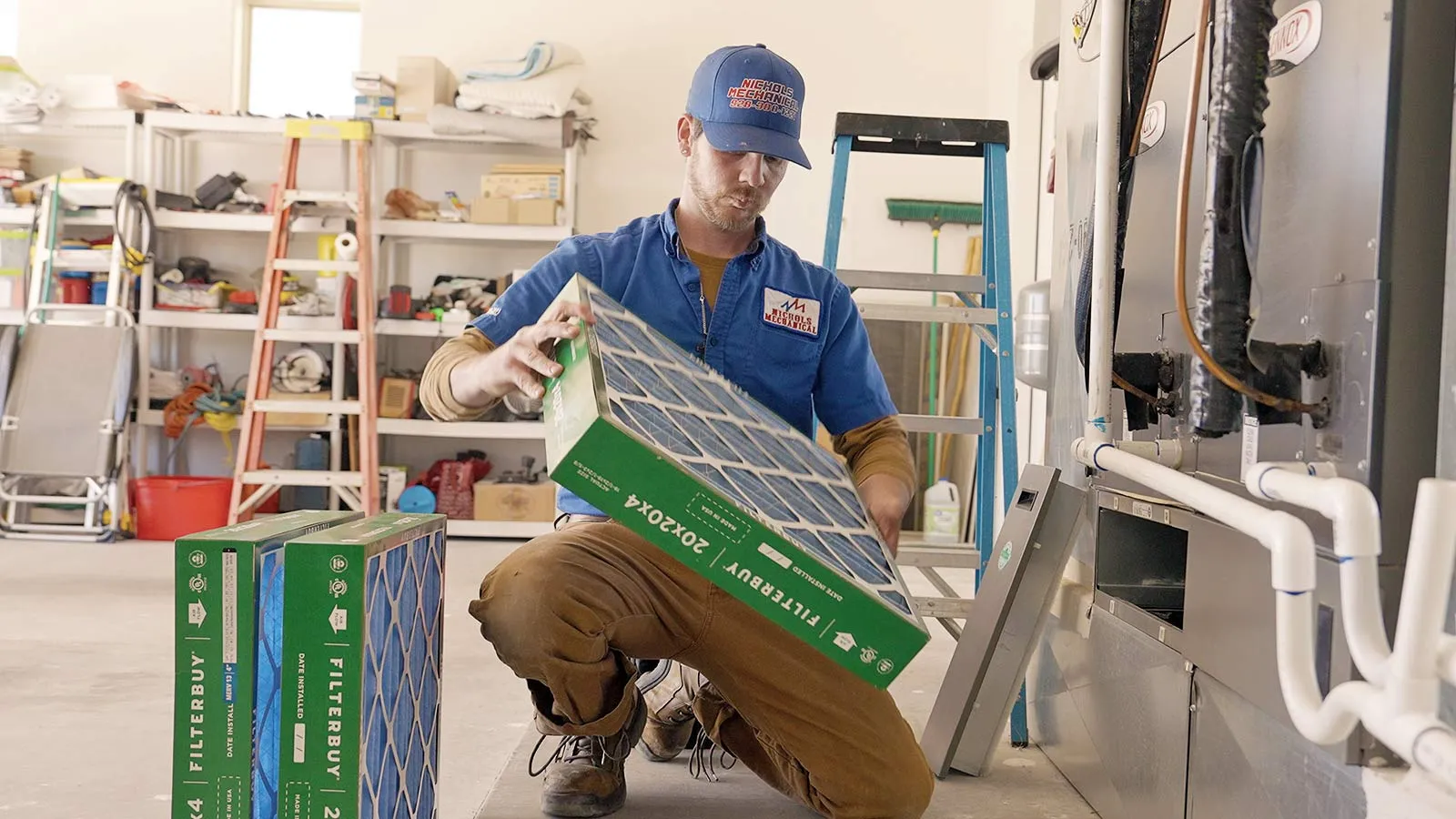
The U.S. Consumer Product Safety Commission recommends a yearly professional inspection of fuel-burning appliances and asks that it include checking chimneys, flues and vents for leaks and blockages. For a home sale, that's the minimum a buyer should want.
Red flags that come up in home sales
Cracked heat exchanger
The most serious one. A crack can let exhaust mix with the air you breathe. A furnace with a cracked heat exchanger shouldn't be run until it's repaired or replaced.
Venting problems
Rusted, disconnected or cracked flue pipe, a missing vent cap or the wrong slope. These let exhaust back into the house.
Water under the furnace
Usually a clogged or leaking condensate drain, or an AC coil draining onto the furnace. It can rust parts and damage floors.
An original furnace
Not a defect by itself, but buyers will want to know its age, condition and how much life it likely has left.
Missing parts or seals
Loose or missing panels, seals that were never installed, or a filter that doesn't fit. Small fixes, but they show up on reports.
Safety switch problems
A switch that's been bypassed or keeps tripping points to a bigger problem, like poor airflow or a venting issue.
If you're buying
- Schedule the HVAC inspection early in your inspection period, so there's time for a repair quote if something turns up.
- Ask the seller for the furnace's age, past service records and any warranty paperwork.
- Be there for the inspection if you can, and ask what's normal wear and what needs fixing now.
- If repairs are needed, get a written quote to use in your repair request.
- Plan for a tune-up before the first winter, even if the furnace passes.
Prescott-area homes see colder winters than the Verde Valley, so the furnace you're buying will work hard. If it's older, our post comparing a heat pump vs. gas furnace in Prescott can help you think about what comes next.
If you're selling
A pre-listing furnace check takes the surprise out of the buyer's inspection. If something needs fixing, you can handle it on your own schedule instead of in the middle of a negotiation.
- Change the filter before showings and inspections
- Make sure the access panels are on and secure
- Clear storage away from the furnace and water heater
- Gather the age, install date and any service records
- Get the furnace tuned up and keep the paperwork
If a buyer's report has already flagged the furnace, send the list and get a repair quote, or a free second opinion if you already have a quote from someone else.
What we hear on calls
Real estate agents call us during inspection periods all the time. When one agent asked, "I was wondering if you guys do AC inspections for a buyer," the answer was, "We do, yes." Others call in the middle of a home inspection, or on behalf of buyers worried that a house still has its original furnace.
Sellers call too. One had buyers who "wanted somebody just to come out and look at" an older system, and another found a cracked exhaust pipe on the furnace the day before their home inspection. And sometimes a regular maintenance visit is where a problem shows up, like a heat exchanger that turned out to be cracked.
Our heating maintenance and inspections start with a thorough system inspection and end with honest recommendations. We serve Prescott and Prescott Valley from our Prescott Valley shop. See our services in Prescott.
Questions
Need a furnace inspection for a sale?
Call the Nichols crew to book a furnace inspection while you're still in your inspection period.
Licensed, bonded and insured · Free second opinion