A drain snake and a little patience can solve plenty of household plumbing problems. But knowing where the line sits between a safe DIY fix and a job that needs a licensed pro is what actually protects your home. In a place like the Verde Valley, hard water, aging pipes in older Cottonwood and Clarkdale homes, and monsoon-season pressure on drain lines all raise the stakes when a repair goes sideways.
The trouble with plumbing is that mistakes rarely stay small. A leak you seal over can keep dripping behind drywall for weeks, and a clog you clear at one fixture can be a symptom of a much larger blockage downstream. This guide walks through what you can safely handle yourself, the red flags that mean it is time to call in help, and the systems that should never be a weekend project.
When a job crosses that line, the Nichols plumbing team handles it across the Cottonwood, Prescott, and Sedona areas.
Simple Plumbing Tasks You Can Handle Yourself
Not every drip needs a service call. Several common repairs take basic tools, a little patience, and no special training. Getting comfortable with these builds real confidence and saves you a call for problems you can fix in an afternoon.
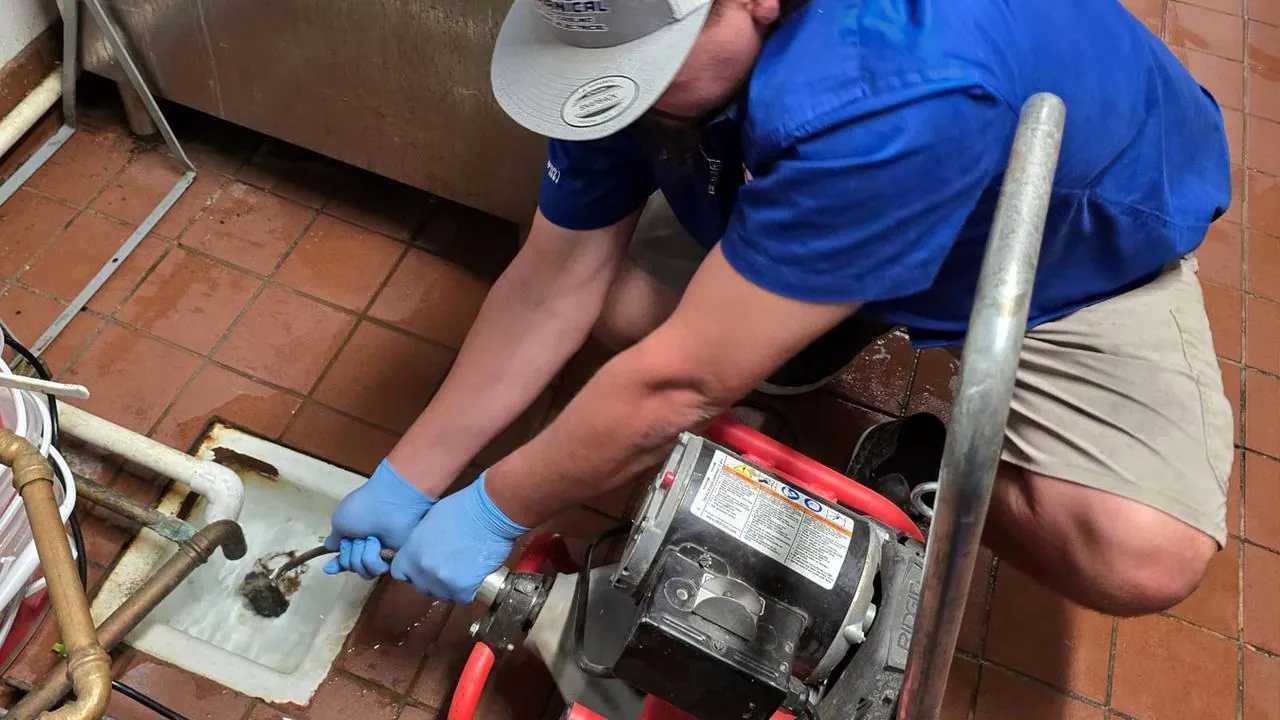
Clearing a single slow drain
When one fixture drains slowly and the rest of the house is fine, a hand snake usually does the job. Feed the cable in slowly and let it glide rather than forcing it. When you hit resistance, turn the handle clockwise so the tip either grabs the clog or breaks it up, then draw it back with a bucket ready for debris.
For a sink, keep that bucket under the P-trap to catch drips, and expect grease or soap buildup to put up a fight. Toilets need a dedicated toilet auger designed to curve through the porcelain without scratching it.
Replacing an aerator or showerhead
Verde Valley water is hard, and those minerals cake up on aerator screens and showerheads faster than they would in a soft-water town. Unthread a clogged aerator by hand, or wrap it in a towel and use pliers if it is stuck, then clean the threads and spin the new one on until it is hand-tight.
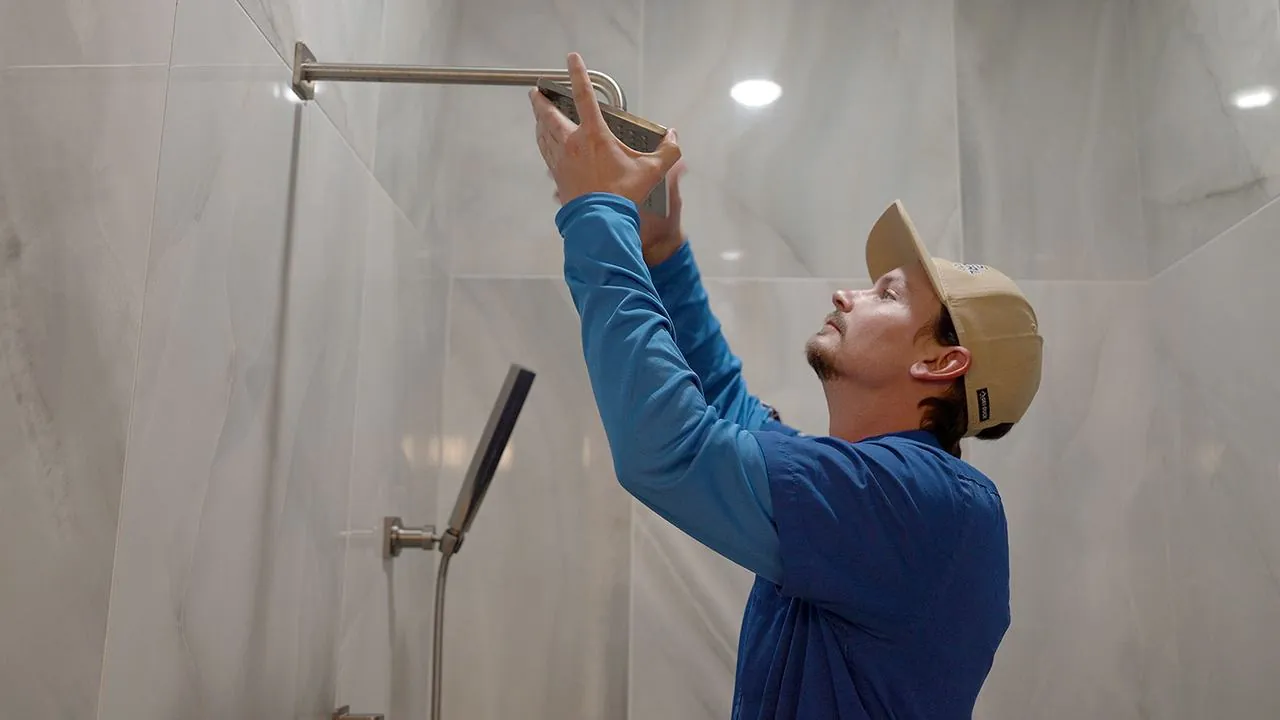
Showerheads follow the same idea, with a couple extra steps: shut off the shower valve, hold the shower arm steady with one wrench while you loosen the head with another, clean the old tape off the threads, and wrap fresh thread-seal tape clockwise before reinstalling. If you are seeing this buildup everywhere, it is worth understanding why hard water is so common in the Verde Valley.
Fixing a running toilet
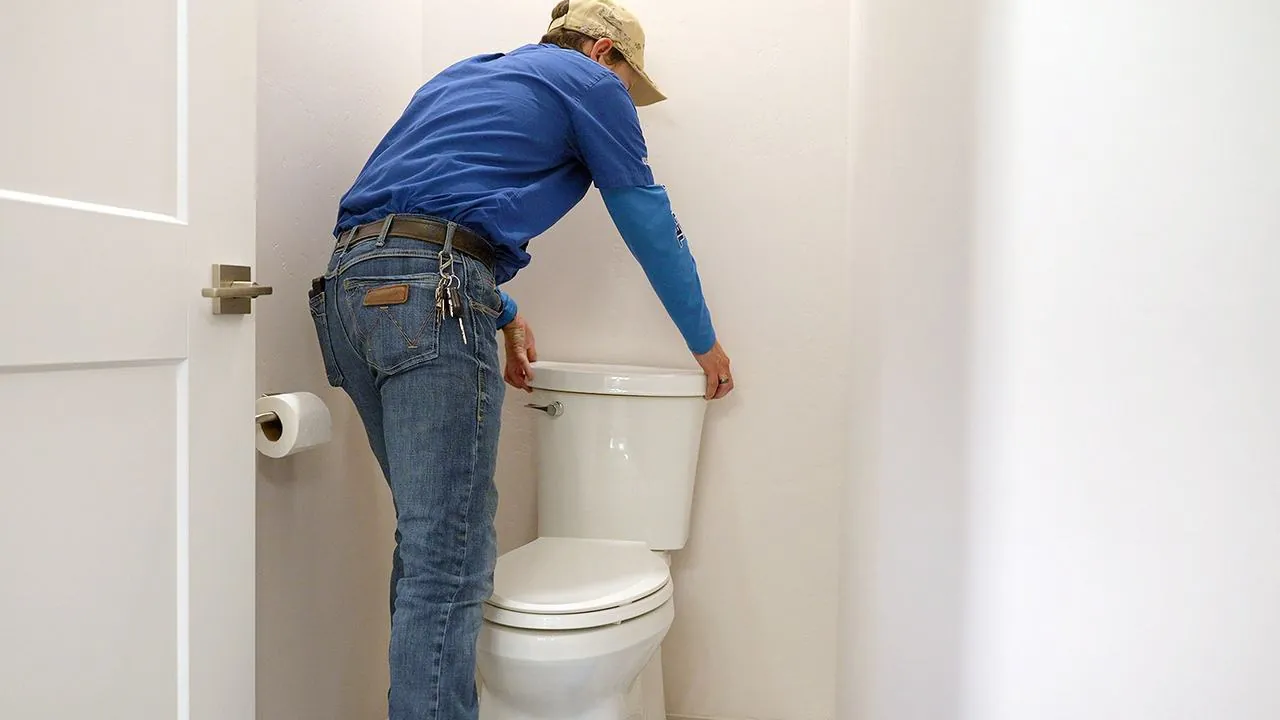
A toilet that keeps running usually comes down to a worn flapper, the rubber seal between the tank and bowl. Shut off the supply valve behind the toilet, flush to empty the tank, and unhook the old flapper. Take it with you to match a replacement, clip the new one onto the pegs at the base of the flush valve, and set the chain with just a little slack. Too tight and the flapper will not seal; too loose and the chain snags underneath.
Tightening a loose handle
A wobbly faucet handle will wear out the connection underneath if you leave it. Pop off the small cap on the handle, find the set screw, and snug it with the right hex wrench, turning in small increments so you do not strip it. Test the movement, and cap it back up. That is genuinely the whole job.
Rule of thumb: if a fix stays at one fixture, uses hand tools, and does not touch gas or the water heater, it is fair game for a confident homeowner. The moment it spreads beyond that, treat it as a red flag.
DIY Plumbing Red Flags That Need a Professional
Some symptoms are the plumbing equivalent of a check-engine light. They point past the fixture in front of you to something in the system that a household tool cannot reach. These are the DIY plumbing red flags worth acting on quickly.
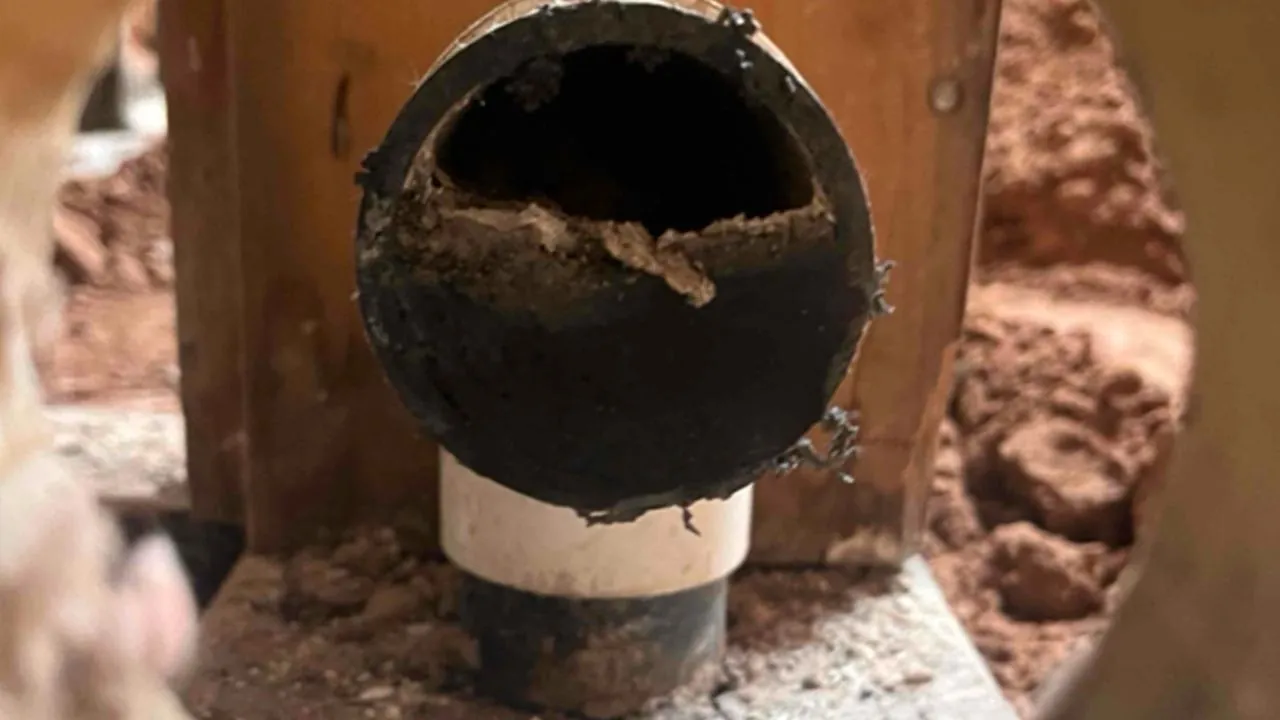
Several drains backing up at once
If two or more fixtures back up at the same time, you are likely dealing with the main sewer line rather than an isolated clog. Lower fixtures show it first, then it climbs. Watch for a tub that gurgles when the washing machine drains, a toilet that bubbles when you run the sink, or water pooling at a floor drain after a monsoon downpour.
A clog that comes right back after you snake it is another tell. Situations like these call for professional drain cleaning before a backup turns into a sewage overflow.
Leaks that keep coming back
A leak that returns after a patch was never truly fixed. Water travels along framing and pipe before it drips into view, so the wet spot you can see rarely sits under the real source. Sealant over a crack treats the symptom, and Arizona temperature swings break those patches down fast. Recurring leaks, especially under a slab, need a proper diagnosis. Our guide to slab leak detection in Sedona and Cottonwood covers what that looks like.
Low pressure across the whole house
Pressure that drops at every fixture points to a system-wide issue, not a single clogged aerator. Normal residential pressure runs roughly 40 to 80 PSI; above 80, a pressure-reducing valve is recommended. House-wide drops often trace back to mineral buildup restricting flow, corroding older galvanized pipe, or a hidden leak. A whole-house symptom deserves a whole-house look from a licensed plumbing repair tech.
Discolored or rusty water
Brown or rusty water usually means iron, sediment, or corrosion somewhere in the system. If it shows up at both hot and cold taps throughout the house, the culprit is often the pipes themselves. If only the hot side runs discolored, the water heater is the likely source. It tends to be worst at the first draw in the morning, after water has sat against pipe walls overnight.
Persistent discoloration across every fixture can signal plumbing near the end of its life. Hard water plays a role too, which our breakdown of local water hardness explains.
Water bills that jump for no reason
An unexplained spike almost always means a leak or a change in use. A small hidden leak can waste a surprising amount of water, and a single running toilet can burn through thousands of gallons a month without a sound. Underground service-line leaks are the sneakiest of all, wasting water with no puddle on the surface to give them away.
Sewage odor or gurgling drains
Gurgling from a drain is trapped air escaping as wastewater struggles past a partial blockage. When the main line is involved, air and waste push back through drains across the house, and you hear it in sinks, tubs, and toilets. Pair that gurgle with a sewage smell and you have a clear sign to bring in a professional right away.
Complex Systems That Should Never Be DIY Projects
A few jobs carry consequences well past a failed repair. Safety risk, code requirements, and specialized equipment put these firmly in professional territory, no matter how many videos make them look simple.
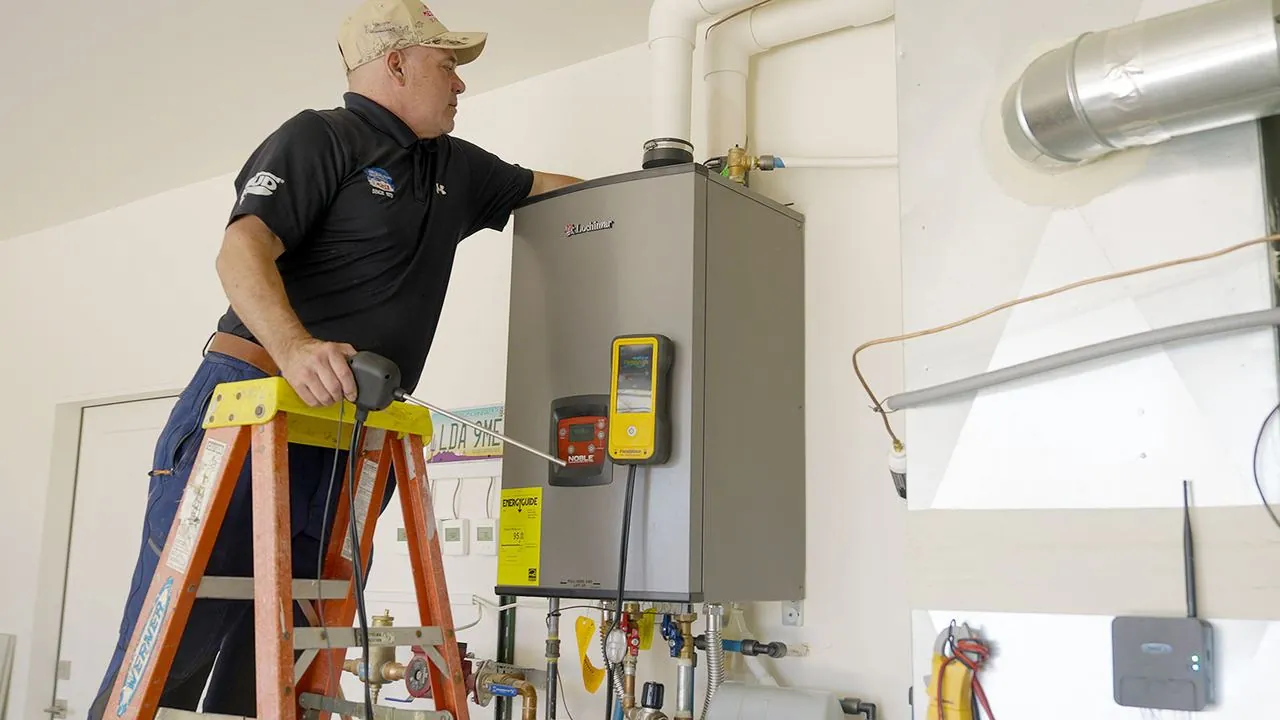
Water heaters
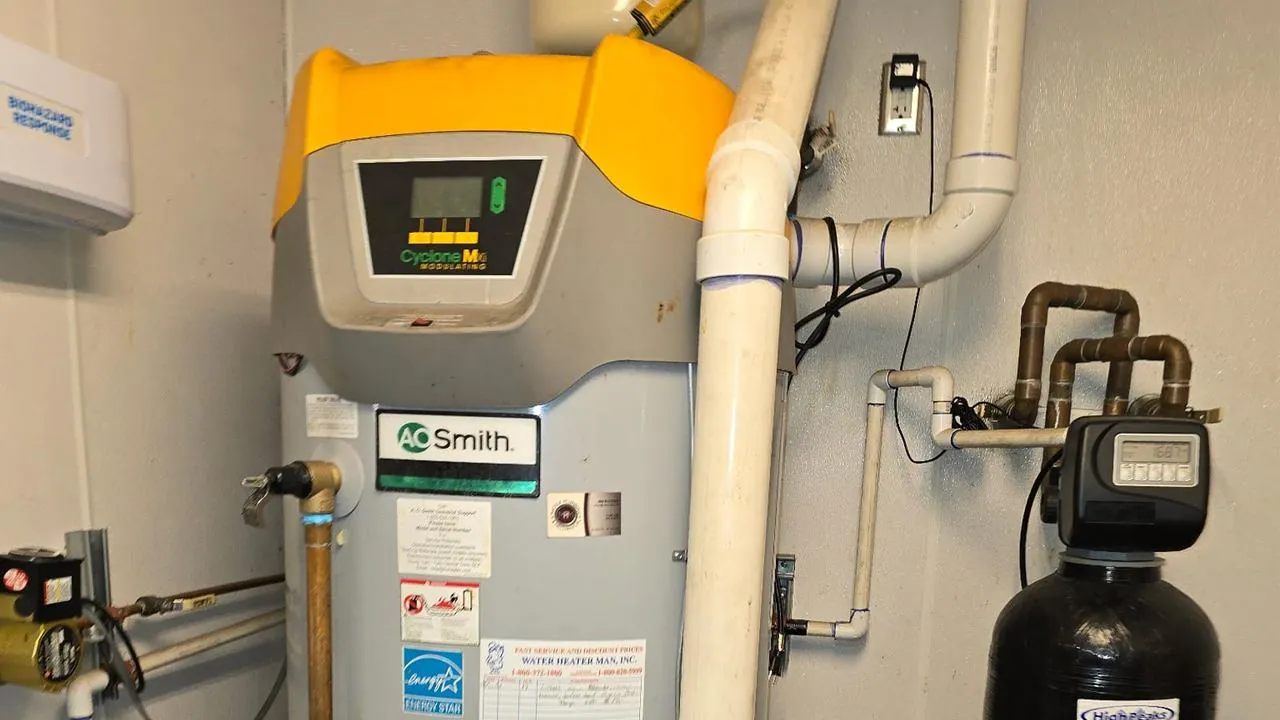
A conventional tank heater generally lasts 8 to 12 years; tankless units can run closer to 20. Water pooling at the base of a tank usually means replacement, and water that will not heat after basic troubleshooting points to a unit at the end of its road. This work touches gas connections or high-voltage electrical, scalding-hot water, and local code all at once.
A bad install can mean a gas leak, a scald hazard, or a flood. If you are weighing a replacement, our comparison of tankless versus tank water heaters in Arizona is a useful starting point, and our water heater team handles both.
- Gas lines are the single most dangerous DIY plumbing job. Even a small leak is dangerous: natural gas pooling in an enclosed space needs only a spark to ignite, and a faulty connection or vent can put carbon monoxide into the home. Gas work requires permits, code compliance, and specialized tools to test for leaks and monitor pressure. It is never a DIY project.
- Main sewer line blockages need professional equipment. A camera inspection pinpoints the problem without guesswork, and truck-mounted augers or hydro jetting deliver power no household tool comes close to matching.
- Behind-the-wall pipe issues stay hidden until they cause damage. A slow leak inside a wall rots framing and subfloor before you ever see it, and reaching the pipe means opening the wall and repairing it afterward.
Tree roots and the main sewer line
Roots are the leading cause of sewer line clogs, and older homes across Cottonwood, Clarkdale, and Sedona are especially prone to them. Roots slip into pipes through cracks and loose joints, feed on what is inside, and build a blockage that keeps coming back. High-pressure water jetting clears that debris thoroughly while staying gentle on the pipe. This is exactly the kind of job hydro jetting is built for.
The Hidden Costs of DIY Plumbing Mistakes
When a DIY repair fails, the fallout usually reaches well past the original problem. Understanding how these cascade is the best argument for knowing your limits.
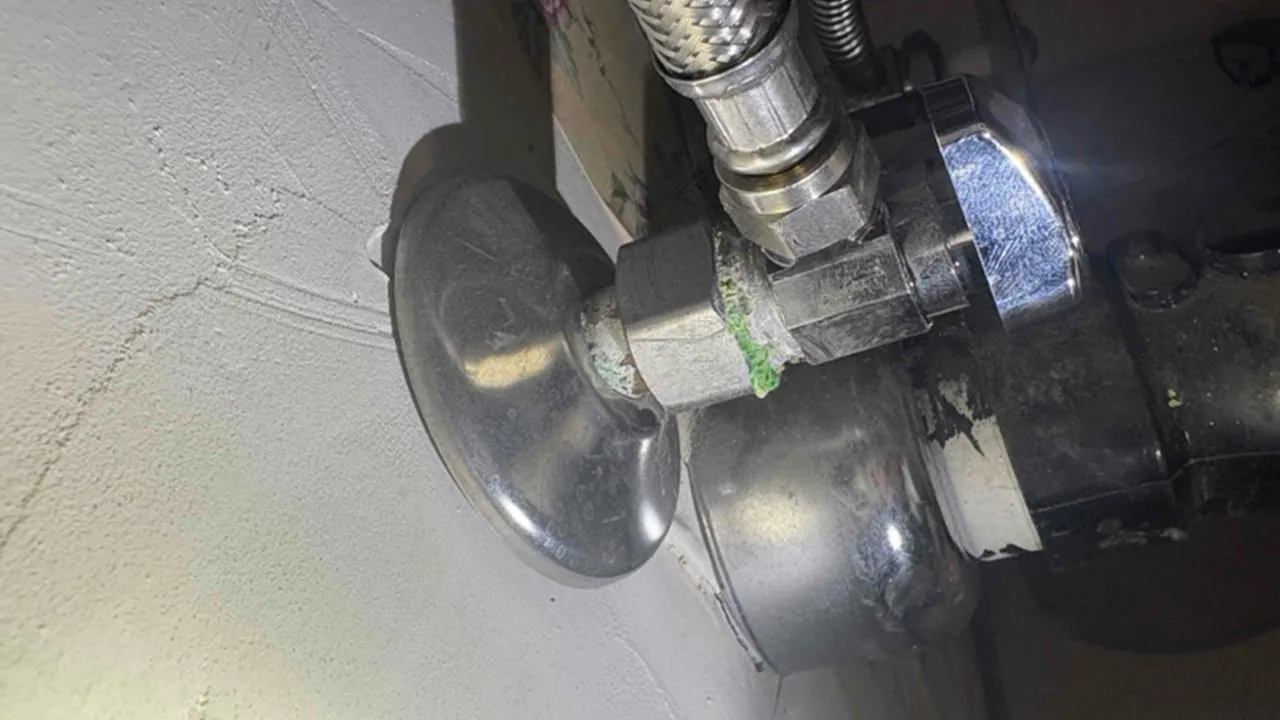
Water damage and mold
Mold can take hold within 24 to 48 hours of moisture reaching drywall or framing. A slow leak under a slab or inside a wall feeds crawl-space damp, subfloor rot, and sagging floors, often before any smell or stain shows up.
Code and permit problems
Most plumbing work, from water lines to gas and water heaters, requires a permit and an inspection. Skipping that step can complicate a future home sale and leave non-compliant work behind your walls.
Chemical drain cleaners
Harsh drain chemicals generate heat that can soften PVC, crack fixtures, and eat away at older metal pipe. Repeated use trades a clog today for pipe replacement down the road.
Denied insurance claims
Homeowners policies typically cover sudden, accidental failures but exclude damage from poor workmanship or neglect. A leak caused by a botched DIY fitting can lead straight to a denied claim.
Skip the chemical drain cleaner. It rarely fixes the real problem and often damages the very pipes you are trying to save. A snake, or a professional line cleaning, is safer for your plumbing and your budget. Catching a worn part before it fails is the whole idea behind a plumbing maintenance plan.
How to Find and Hire the Right Plumber
Hiring a qualified pro is what protects you from the fallout above and gets you code-compliant work. A few checks separate a solid contractor from a risky one.
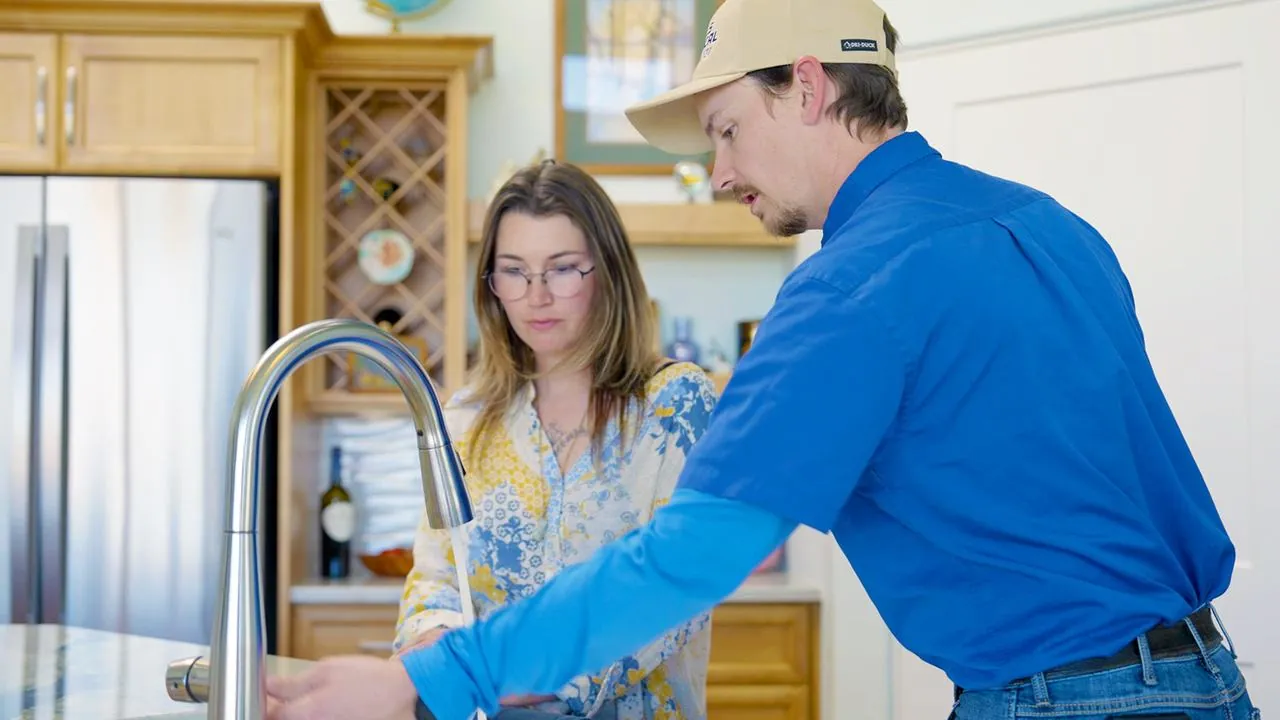
- Confirm licensing and insurance. Arizona plumbers should hold a valid ROC license you can verify through the state registrar, plus liability and workers compensation coverage that protects you if something goes wrong on your property.
- Get warranty terms in writing. Coverage usually runs one to five years depending on the job, and it should include both labor and parts. A verbal promise is hard to enforce later.
- Ask for a clear written estimate. A detailed quote that spells out parts, labor, timeline, and warranty makes it easy to compare and spot a lowball bid hiding shortcuts.
- Ask the right questions. Check their experience with your specific issue, and confirm they pull the required permits and follow local code.
Nichols is family owned, ROC licensed, and backs its work with a straightforward satisfaction guarantee. If you already have a quote in hand and want a second set of eyes, the team also offers a free second opinion. You will find local plumbers on call for the Prescott, Sedona, and Camp Verde areas as well as here in Cottonwood.
Key Takeaways
- Simple fixes are safe DIY. Clearing one slow drain, swapping an aerator or showerhead, replacing a flapper, and tightening a handle need only basic tools.
- Multiple drains backing up at once means the main line. That is a professional job, not a simple clog, and it needs the right equipment to clear safely.
- Never DIY gas lines or water heaters. The risks include leaks, carbon monoxide, scalding, and code violations that can void insurance.
- Failed DIY repairs snowball. Mold can grow within 24 to 48 hours, and unpermitted or negligent work can lead to denied insurance claims.
- Vet before you hire. Verify the ROC license and insurance, get warranty terms in writing, and confirm permits are pulled.
The bottom line is simple: know your limits. Basic maintenance builds confidence and keeps small problems small. But recurring leaks, sewage smells, whole-house pressure drops, or an unexplained jump in your water bill are signs it is time to call a licensed pro before a minor issue turns into a major one.
Not Sure Whether to Grab a Wrench or the Phone?
When a plumbing problem crosses the line from simple fix to red flag, the Nichols team is ready across Cottonwood, the Verde Valley, Prescott, and Sedona. Family owned, ROC licensed, and backed by a satisfaction guarantee.
Request Service Online