If you have lived anywhere in the Verde Valley or up in Prescott, you already know the water leaves its mark: white crust on the faucets, spots on the glassware, and soap that never quite lathers. But "hard water" is not one-size-fits-all across northern Arizona. Cottonwood, Sedona, and Prescott all draw from mineral-rich groundwater, yet the actual hardness of what comes out of your tap can differ quite a bit from one city, and one neighborhood, to the next.
This guide breaks down what is known about each, and why your own address matters more than the city name.
First, How Is Water Hardness Measured?
Water hardness is simply the amount of dissolved calcium and magnesium in your water. It is reported two ways: parts per million (ppm), which is what most municipal water reports use, and grains per gallon (gpg), which is what water softeners and treatment pros use for sizing. Converting between them is easy: divide ppm by 17.1 to get grains per gallon.
The general classification scale looks like this:
- Soft: 0–60 ppm (0–3.5 gpg)
- Moderately hard: 61–120 ppm (3.5–7 gpg)
- Hard: 121–180 ppm (7–10.5 gpg)
- Very hard: above 180 ppm (10.5+ gpg)
As a rule of thumb, most homes start to notice hard-water problems and benefit from treatment once water passes about 7 grains per gallon, and treatment is strongly recommended above 10.5. Keep that scale in mind as we go city by city. For the bigger picture on how this plays out across the region, our overview of hard water in the Verde Valley is a good companion read.
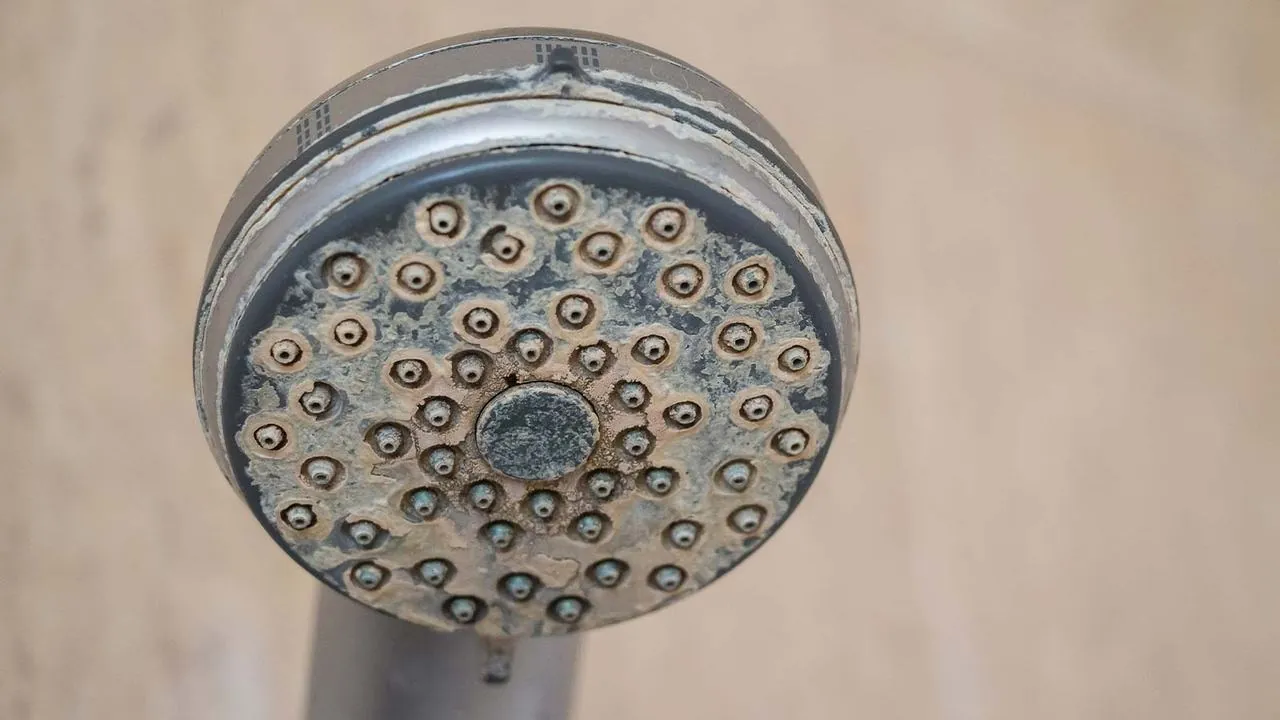
The same mineral-heavy groundwater feeds Cottonwood, Sedona, and Prescott, but the hardness that reaches your tap is not the same in each.
How Hard Is the Water in Cottonwood?
Cottonwood's municipal supply comes entirely from deep groundwater wells that tap the regional aquifer, then run through chlorination for disinfection. That matters, because groundwater moving through the limestone and sedimentary rock of the Verde Valley picks up a heavy load of calcium and magnesium along the way. The practical result is hard water.
Here is the honest catch: the City of Cottonwood's water quality report does not publish a single hardness number. Hardness is not a federally regulated contaminant, so utilities are not required to list it, and many, including Cottonwood, leave it out or note only that the supply is well-sourced. What we can say confidently is that all-groundwater supplies like Cottonwood's run hard, and the only way to know your exact figure is to test the water at your tap. If you are on a private well, expect it to trend even harder.
How Hard Is the Water in Sedona?
Of the three, Sedona tends to have the hardest water. Independent water-treatment testing commonly places Sedona's municipal water in the very hard range, around 12 grains per gallon, and figures climb higher on private wells and in rural areas outside the city system. That is well past the "very hard" threshold, which is why Sedona homeowners so often battle aggressive scale on fixtures, glass shower doors, and inside their water heaters.
Two caveats keep this accurate. First, these numbers come from treatment-industry testing rather than a single official city figure, so treat roughly 12 grains per gallon as a ballpark, not gospel. Second, hardness genuinely shifts by source and season. The takeaway holds regardless: if you are in or around Sedona, plan on very hard water and confirm your specific level with a test.
How Hard Is the Water in Prescott?
Prescott is the pleasant surprise of the group. According to the City of Prescott's own water quality report, the city's water is moderately hard, averaging 75 to 130 ppm, which works out to about 4.3 to 7.6 grains per gallon. That is the softest average of the three cities, and unlike Cottonwood and Sedona, it comes straight from the municipality's published report rather than a third-party estimate.
Moderately hard is not the same as soft, though. At the top of that range, Prescott water still crosses into hard territory, still leaves scale, and still benefits from treatment, just less aggressively than Sedona. And as everywhere in the region, homes on private wells outside the city system can be considerably harder than the city average. If you are dealing with buildup or pressure issues at a Prescott-area property, our team handles it as your local Prescott plumber.
Cottonwood vs. Sedona vs. Prescott at a Glance
Here is how the three stack up. Remember that these are municipal averages; your individual reading depends on your water source and location.
| Area | Typical Hardness | Classification | Water Source |
|---|---|---|---|
| Prescott | 4.3–7.6 gpg (75–130 ppm) | Moderately hard | Groundwater wells (city report) |
| Cottonwood | Not published; runs hard | Hard | Deep groundwater wells |
| Sedona | ~12 gpg (~205 ppm)* | Very hard | Groundwater supply |
| Regional private wells | 15–30+ gpg possible | Very to extremely hard | Untreated well water |
*Sedona and private-well figures are commonly reported ranges from water-treatment testing, not single official utility numbers. Prescott's figure is from the City of Prescott water quality report. A home test is the only way to confirm your exact level.
Why the Numbers Vary So Much
Three cities a short drive apart, three different hardness stories. The reason comes down to geology and source. All of this water is groundwater that has spent years, sometimes decades, moving through rock, dissolving calcium and magnesium as it goes. How much it picks up depends on which aquifer it comes from, how deep the wells are, and what kind of rock the water passed through. Sedona's supply and the surrounding red-rock geology tend to yield harder water, while Prescott's sources average out softer.
Season and blending play a role too. Cities that draw from several wells blend the output, which can smooth out the extremes, while a single private well delivers whatever that one source contains. That is why two homes on the same street, one on city water and one on a well, can have noticeably different water. The city name gives you a general expectation; your actual plumbing tells the real story.
City water or well water, testing beats guessing
Published averages are a starting point, not a diagnosis. Well water in particular can carry sediment, iron, and hardness well beyond the nearby city figure. A professional water test measures your hardness along with iron, pH, and other factors, so any softener or filter you install is sized for your actual water. Request a water test with Nichols and stop guessing.
What to Do About Hard Water in Your Home
Wherever you land on the scale, the effects of hard water add up quietly over time. Scale collects inside your water heater and forces it to work harder, narrows the inside of your pipes, and shortens the life of dishwashers and washing machines. It is the same buildup behind a lot of the descaling work handled through our drain cleaning and hydro jetting services, and a common contributor to the creeping low water pressure homeowners notice over the years.
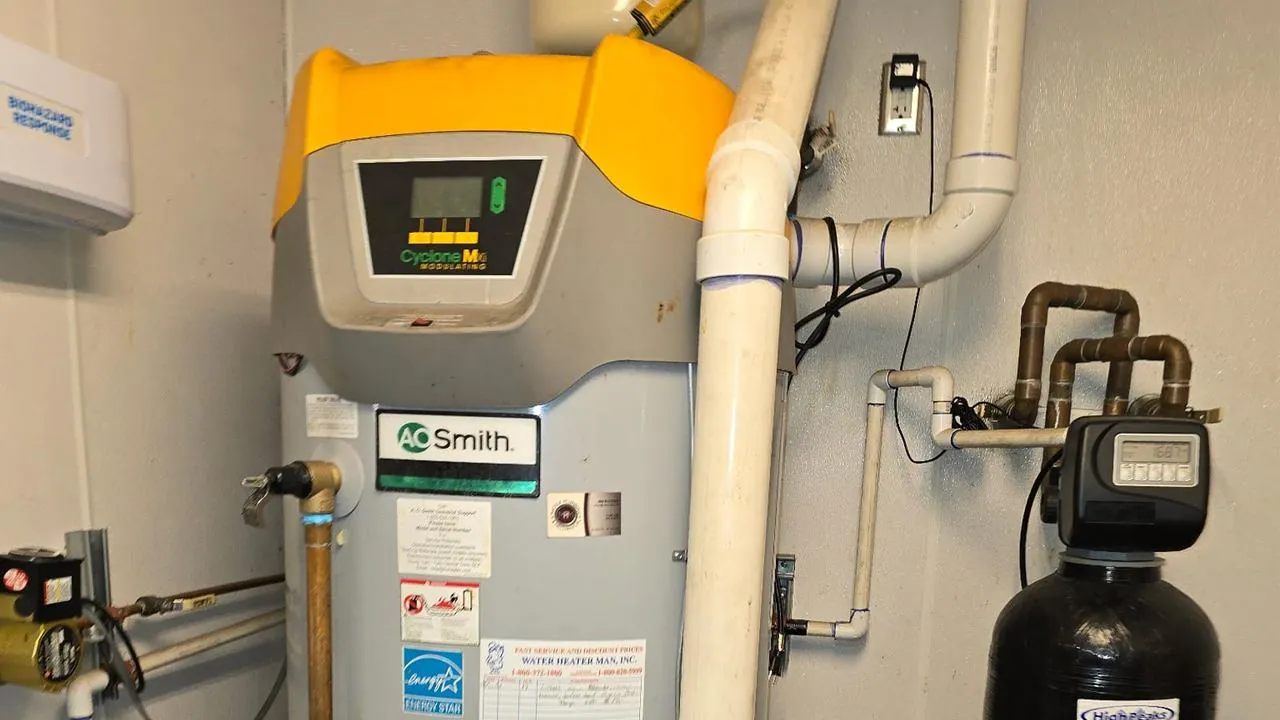
The fix depends on your numbers. A water softener removes the calcium and magnesium that cause scale, while whole-home filtration handles sediment, chlorine, taste, and odor. Many Verde Valley and Prescott-area homes end up with a combined system, especially on well water. Whichever route you take, treated water also protects a new appliance investment, worth keeping in mind if you are weighing options in our tankless vs. tank water heater comparison. A maintenance plan then keeps filters and softeners on schedule so the system keeps performing.
It all starts with knowing your number. Nichols tests your water, explains what the results mean for your home, and recommends the right approach, no guesswork. You can see the full range of what we do on our plumbing services page.
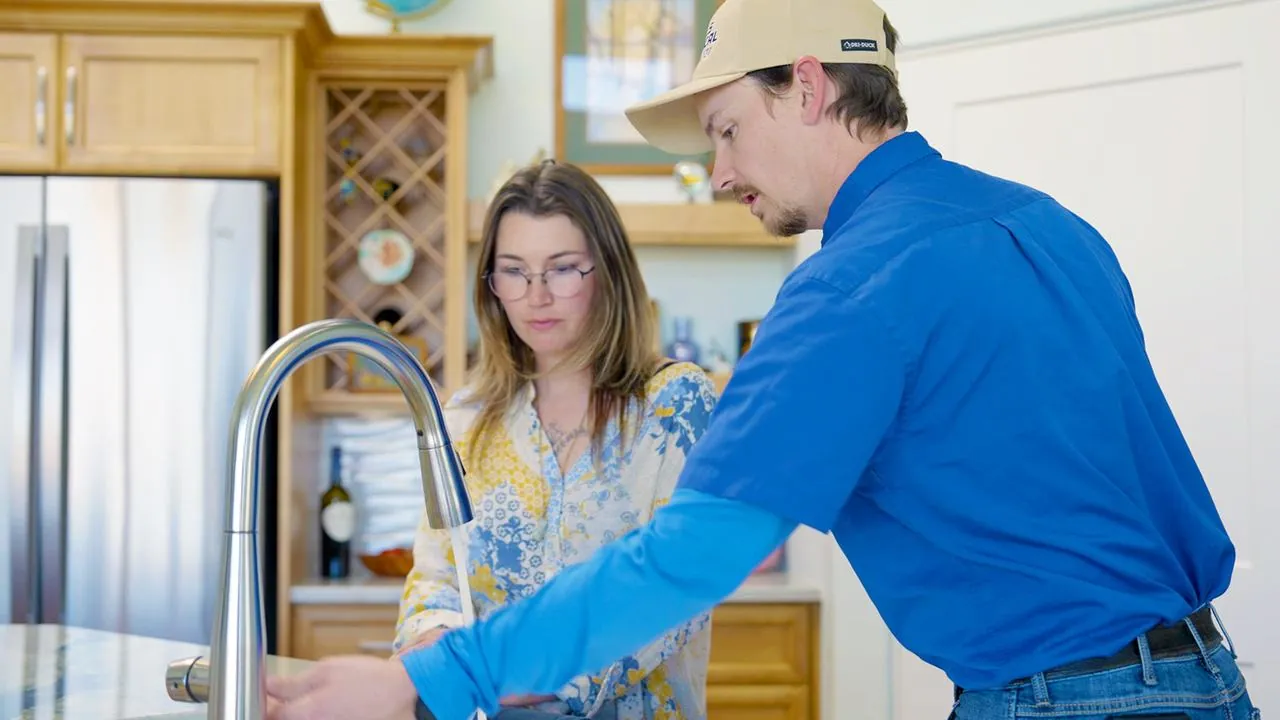
A professional water test turns a city-wide average into a number you can actually act on for your home.
Know Your Number
City averages only tell you so much. Have Nichols test the water at your tap and get a clear, honest recommendation built around your home.
Request Service Online