Why Hard-Water Homes Need More Than a Softener
If you live in the Verde Valley, you already know the water here is tough on your home. Spots on the glassware, chalky buildup around faucets, and soap that never quite lathers are all signs of the high mineral content that defines high-desert water. We covered the full picture in our guide to hard water in the Verde Valley, but the short version is this: local water carries a heavy load of calcium and magnesium, and left untreated it quietly damages the systems you rely on every day.
Most people reach for a water softener first, and that is the right call for scale. But softening is only half the conversation. A softener does nothing for the sediment, chlorine, taste, and odor that also travel through your supply line, and it will not touch the extra minerals and particles common in well water. That is where whole-home filtration comes in. Pairing filtration with softening treats the water at every faucet, shower, and appliance in the house, not just one problem at one tap.
Filtration vs. Softening: What Is the Difference?
These two terms get used interchangeably, but they solve different problems. Understanding the distinction is the first step to choosing the right equipment for your home.
Water softening
A softener tackles hardness. It runs your water through a resin bed that swaps hardness minerals, mainly calcium and magnesium, for sodium through a process called ion exchange. The result is water that no longer leaves scale on your fixtures, inside your pipes, or on the heating element of your water heater. Softening is specifically about stopping mineral buildup.
Water filtration
Filtration tackles everything else. A whole-home filter removes sediment and captures chlorine, chemical taste, and odor, usually with a combination of sediment and activated carbon media. It is what makes your water look clearer, taste cleaner, and smell better. Filtration does not remove hardness, which is exactly why hard-water homes often need both technologies working side by side.
The high-desert reality
In much of the Verde Valley, softening and filtration are not competing choices. They are partners. A softener protects your plumbing and appliances from scale, while a whole-home filter improves the water you drink, cook with, and bathe in. Not sure which your home actually needs? Start with a professional water test so you are buying equipment for your real water, not a guess. Request a water evaluation with Nichols.
Types of Whole-Home Water Systems
There is no single "whole-home system." Instead, there is a family of technologies that can be installed alone or combined at the point where water enters your home. Here are the ones that matter most for Verde Valley households.
Sediment filters
The first line of defense. A sediment filter catches sand, silt, rust, and grit before they reach the rest of your system. In well-water homes and areas with older supply lines, this stage protects everything downstream and keeps finer filters from clogging prematurely.
Activated carbon filters
Carbon is the go-to media for removing chlorine, improving taste, and eliminating that swimming-pool smell some tap water carries. A whole-home carbon filter treats every fixture in the house, so the water is cleaner whether you are filling a glass or running the shower.
Water softeners
The scale solution. If your primary complaint is buildup, spotting, or appliances wearing out early, a softener is the core of your system. It is the single most effective tool against the hardness that Verde Valley water is known for.
Salt-free conditioners
For homeowners who want to reduce scale without adding sodium or maintaining a brine tank, a salt-free conditioner changes the structure of hardness minerals so they are less likely to stick. It does not remove minerals the way a softener does, but it can cut down on buildup with lower maintenance.
Combination systems
Many Verde Valley homes end up with a combined setup: a softener for scale plus filtration for sediment, chlorine, and taste, all installed together. This is the most complete approach for hard, mineral-heavy water, and it is why a professional assessment matters before you buy anything piecemeal.
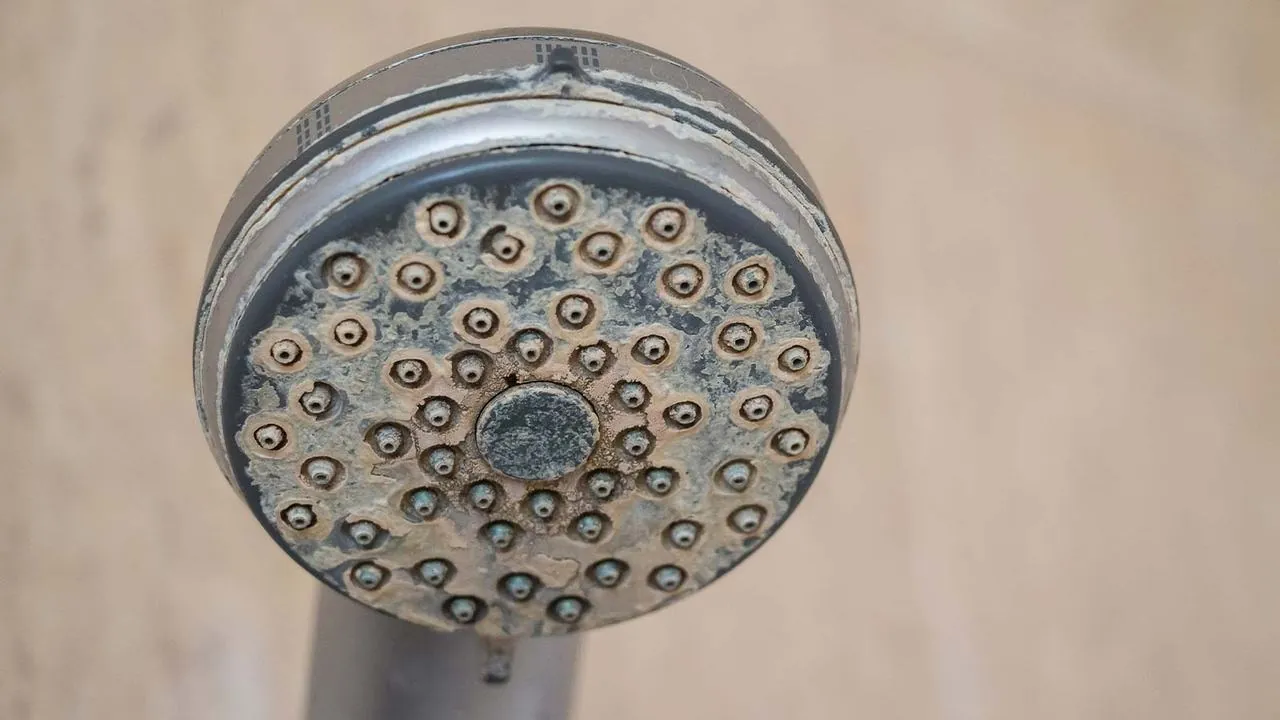
Untreated hard water leaves mineral scale and buildup behind, shortening the life of pipes, valves, and fixtures across the home.
Signs Your Verde Valley Home Needs Whole-Home Filtration
Hard-water damage is gradual, so it is easy to miss until an appliance fails or a bill jumps. Watch for these signals that your water needs treatment beyond a basic softener:
- White, chalky scale on faucets, showerheads, and around drains that keeps coming back after cleaning
- Cloudy or spotty glassware and dishes straight out of the dishwasher
- Dry, itchy skin and dull hair after showering, or soap and shampoo that never fully lather
- A chlorine smell or metallic, off taste from the tap
- Reduced water pressure that creeps in over time, often a sign of scale narrowing your pipes; our guide on low water pressure covers this in detail
- Water heaters, dishwashers, and washing machines that wear out or lose efficiency earlier than they should
- Sediment, discoloration, or a gritty feel, especially in homes on a private well
- Stiff, faded laundry and extra detergent needed to get clothes clean
If several of these sound familiar, your home is a strong candidate for a combined filtration and softening system. A quick water test confirms exactly what you are dealing with.
What Whole-Home Filtration Protects
Treating your water is not just about comfort. It is about protecting some of the most expensive systems in your house from the slow grind of mineral buildup.
Your water heater is usually the first casualty of hard water. Scale collects on the heating element and tank bottom, forcing the unit to work harder, run longer, and fail sooner. If you are weighing a replacement, our comparison of tankless vs. tank water heaters is worth a read, because filtration and softening protect whichever unit you choose. Dishwashers and washing machines take a similar beating, losing efficiency as scale coats their internal parts.
Your plumbing itself is at stake too. Over the years, mineral deposits narrow the inside of pipes, restrict flow, and speed up corrosion at joints and valves. When scale does build up in drain lines, our hydro jetting service can clear it. Treating water at the point of entry means less scale reaching your fixtures, fewer surprise repairs, and appliances that reach their full lifespan instead of dying early.
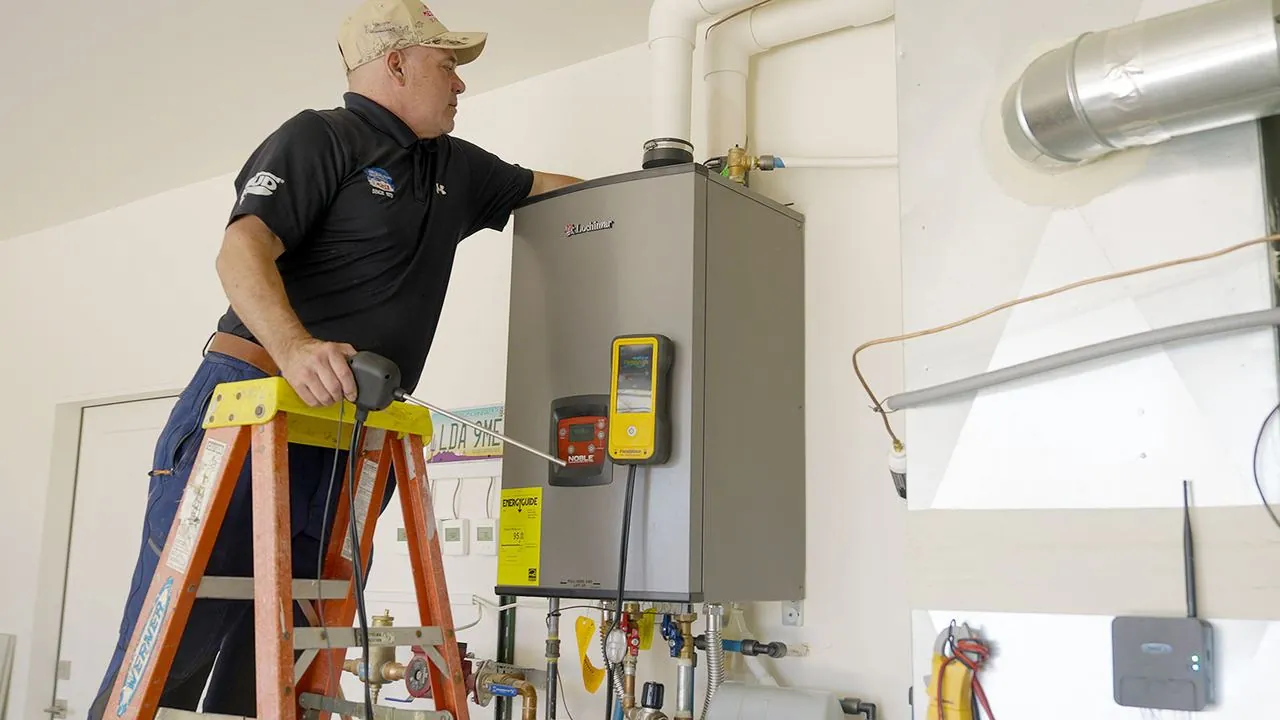
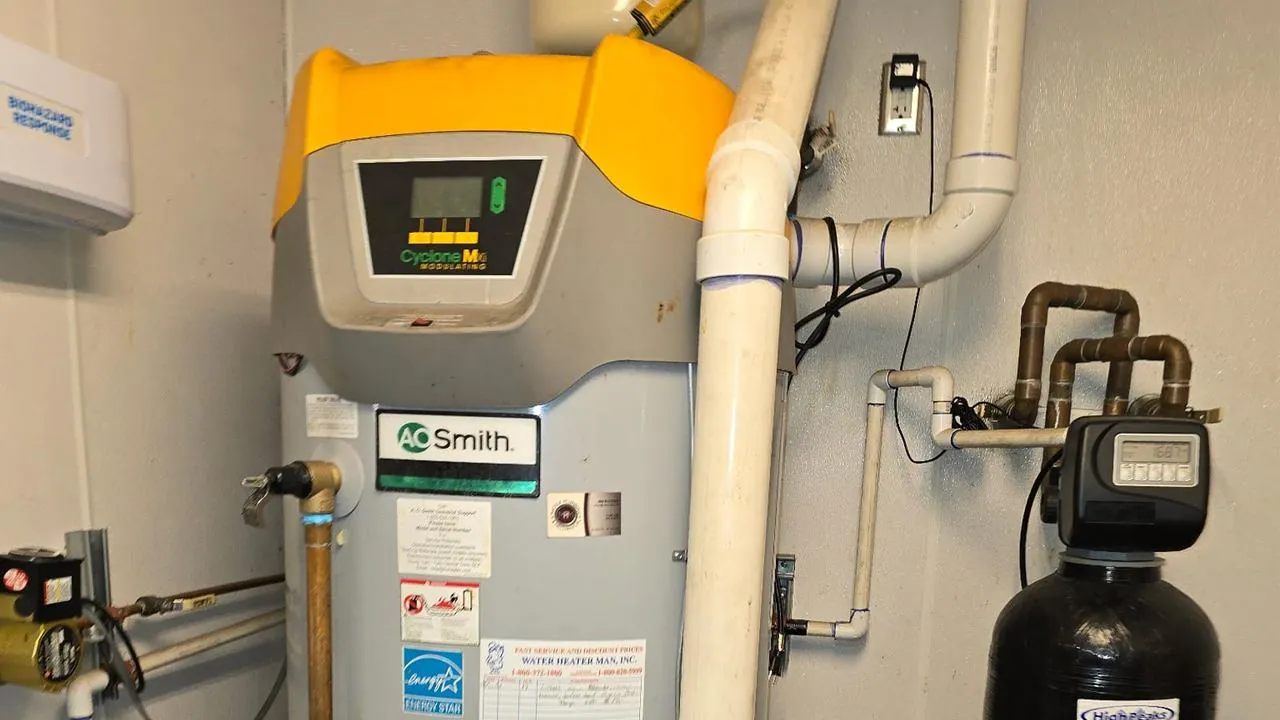
Water heaters take the brunt of hard-water scale. Filtration and softening protect the tank and heating element, helping the unit last longer.
Choosing the Right System for High-Desert Water
The right system depends entirely on your water, your household, and whether you are on a municipal supply or a private well. There is no universal answer, and any company that quotes you a system before testing your water is guessing.
Start with a professional water test. It measures your hardness level and flags chlorine, sediment, and other issues, which together determine whether you need softening, filtration, or both. From there, the size of the system is matched to your household. A larger family or a home with high water use needs more capacity than a smaller one, so the equipment is sized to keep up with your demand without constant regeneration or premature filter clogging.
Well-water homes deserve special attention. Because a private well is not treated by a municipal utility, everything in the ground water comes straight into your home, from sediment and iron to hardness minerals. These homes almost always benefit from a multi-stage approach, and the testing step is non-negotiable. Whatever your setup, the goal is equipment matched to your actual water rather than a one-size-fits-all box off a shelf.
This is also a good moment to note that any local utility rebates or incentives tied to efficient water equipment change frequently and vary by provider, so confirm current programs directly before counting on them.
Installation, Maintenance, and Water Testing
A whole-home system is installed at the main water line, where it can treat every drop entering your house. Softeners connect to your supply, a drain, and a brine tank; filters are plumbed in as one or more stages depending on what your water needs. Proper installation matters, because a system that is undersized, poorly placed, or incorrectly plumbed will underperform no matter how good the equipment is.
Maintenance is straightforward but real. Filter media needs replacing on a schedule, softeners need salt topped off in the brine tank, and an occasional professional check confirms the whole system is performing as designed. Hard, mineral-heavy water is demanding, so Verde Valley systems tend to need more frequent filter changes than homes with softer water.
Staying ahead of that schedule is the difference between clean water for a decade and a clogged, struggling system in a couple of years. A maintenance plan takes the guesswork out by keeping service on track.
Nichols handles the full process, from testing your water to sizing, installing, and maintaining the right system. As a family-owned, triple-licensed contractor, our team treats your home the way we would treat our own. You can see the range of work on our plumbing services page, and if you are budgeting a project, keep an eye on current plumbing service savings.
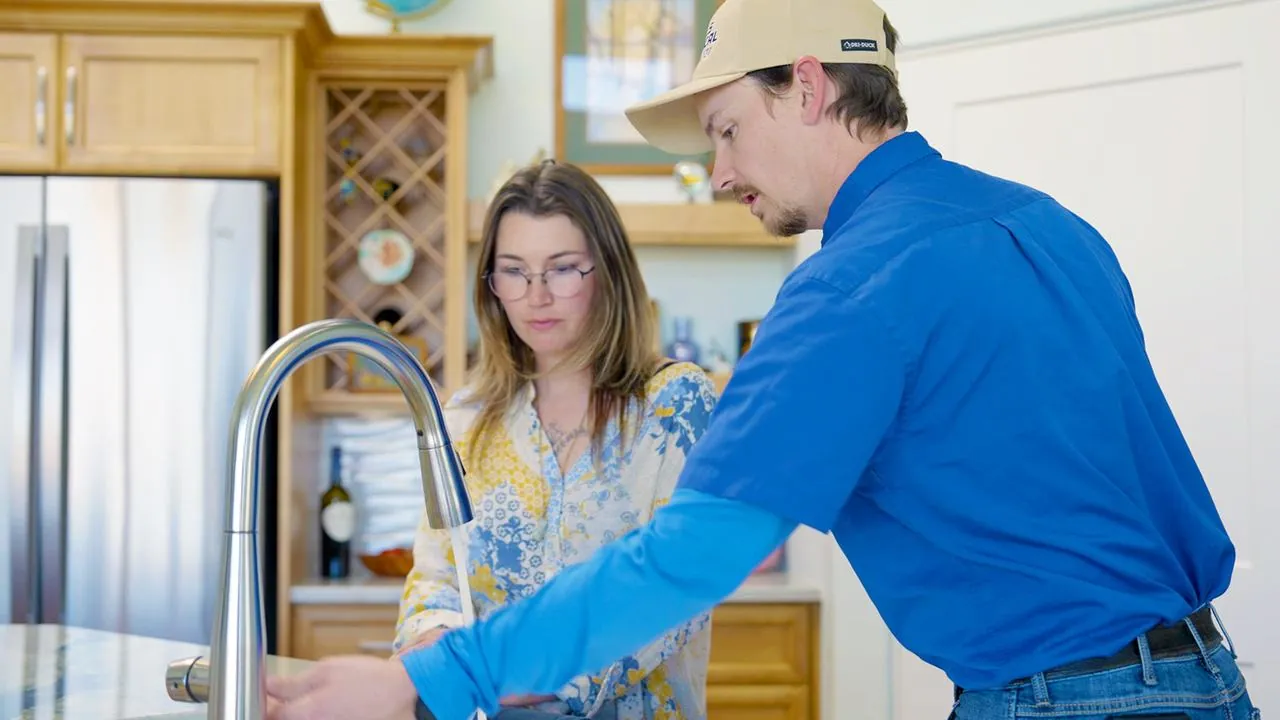
Every recommendation starts with a conversation and a water test, so you get a system matched to your home rather than a one-size-fits-all guess.
Cleaner Water Starts With a Test
Find out exactly what is in your water, then let our team match you with the right whole-home filtration or softening system for your home.
Request Service Online