You turn on the shower before work and stand there waiting for something that feels more like a drizzle than a stream. Or you run the kitchen sink and the dishwasher at the same time and one of them barely functions. Low water pressure is one of those problems that ranges from mildly annoying to a sign of something serious underneath the house.
In Cottonwood and across the Verde Valley, hard water is a significant factor — mineral deposits accumulate inside pipes and fixtures over time, quietly choking flow. Older housing stock in Clarkdale, Cornville, and Camp Verde adds corroded galvanized pipe to the mix. This guide walks you through how to read the situation, what you can address yourself, and when the problem needs a licensed plumber.
What Is Normal Water Pressure?
Water pressure is measured in pounds per square inch (PSI). Before diagnosing any problem, it helps to know what your baseline should be and how to measure it accurately.
How to Test Your Water Pressure
Pick up an inexpensive pressure gauge with female hose threads at any hardware store — look for one rated to at least 300 PSI. Turn off all fixtures inside and outside the home, then attach the gauge to the outdoor hose bib closest to your water meter. Open the faucet fully and read the dial. Readings between 40 and 80 PSI are normal; above 80 PSI, a pressure-reducing valve is recommended. If you're below 40, work through the diagnostic steps below before calling anyone.
What Causes Low Water Pressure in a House?
Most pressure problems trace back to one of six root causes. Identifying which one applies determines whether you need a wrench or a plumber.
Rule of thumb: Pressure issues at a single fixture point to a local clog or aerator buildup. Pressure problems at every fixture in the house point to the main valve, regulator, supply line, or a hidden leak. The location pattern tells you where to look first.
DIY Fixes You Can Try First
A good portion of low water pressure problems resolve without a service call. Work through these steps in order before escalating.
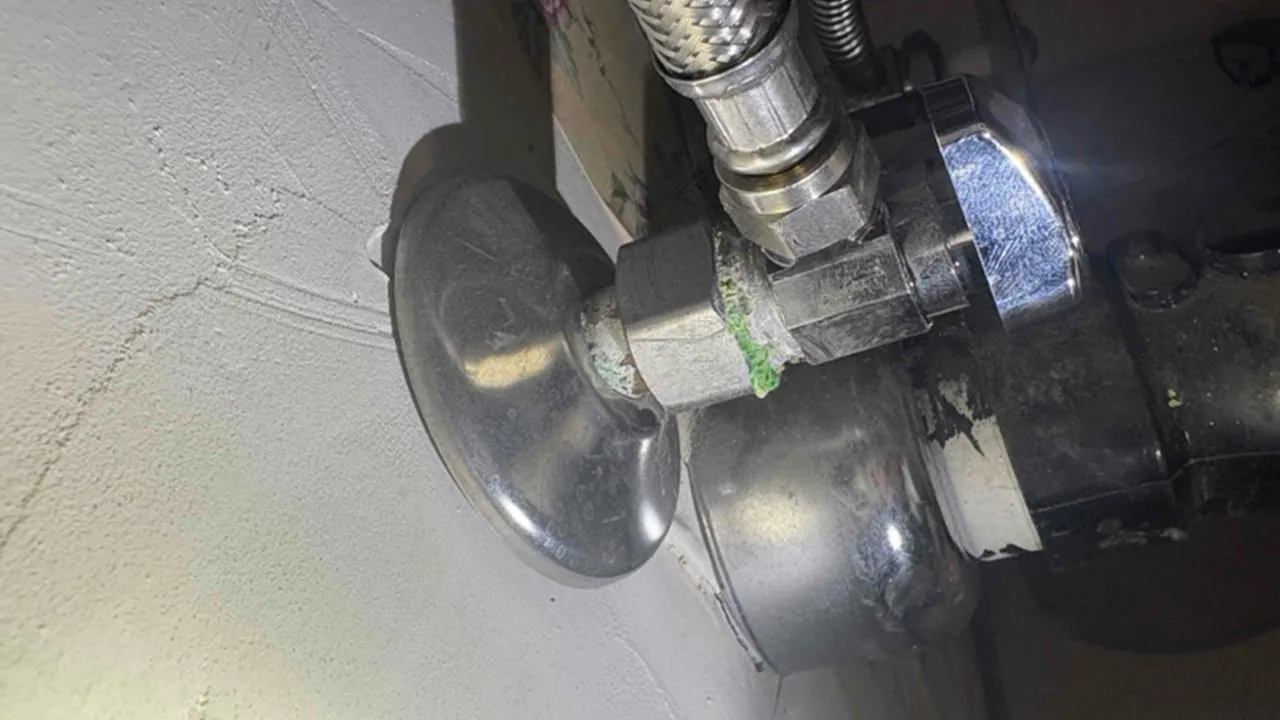
Check Both Main Valves
Find the main shut-off valve where the water line enters your home — typically near the water heater or in a utility room. The lever should run parallel with the pipe when fully open. Any angle means partial closure. Also check the water meter valve at the street. Both need to be fully open to restore normal flow. This is the most common fix that costs nothing and takes two minutes.
Clean Faucet Aerators
Unscrew the aerator from the tip of the faucet (turn it counterclockwise as you look up at it), take a photo of the parts in order, then submerge all components in a 50/50 vinegar and water solution for 20 to 30 minutes. Scrub the mesh screen with an old toothbrush and rinse under hot water before reassembling. Stubborn mineral buildup may need an overnight soak. This resolves pressure problems at individual sinks without affecting the rest of the home.
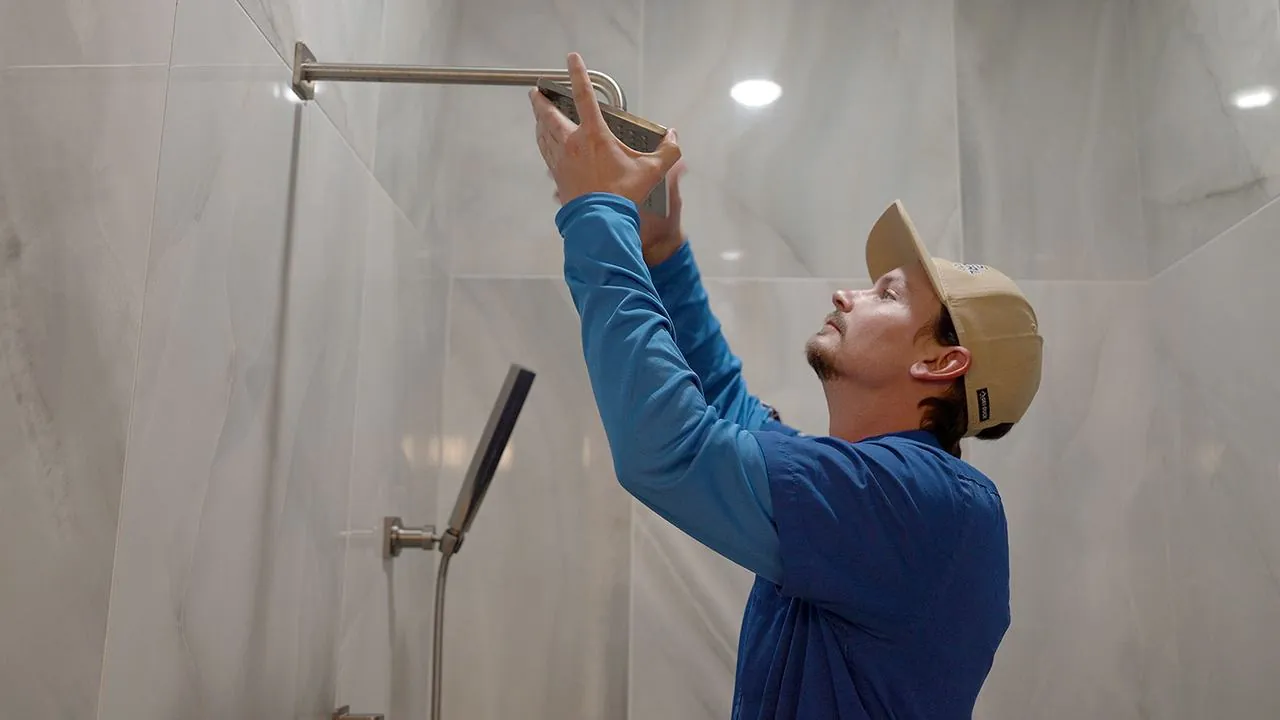
Clean the Showerhead
Fill a plastic bag with the same vinegar-water solution, tie it around the showerhead so the head is fully submerged, and leave it for at least an hour. Alternatively, remove the head entirely and submerge it in a bowl. Rinse well before reattaching. Hard water deposits in showerheads are extremely common in the Verde Valley and often explain why the shower feels weaker than the rest of the house.
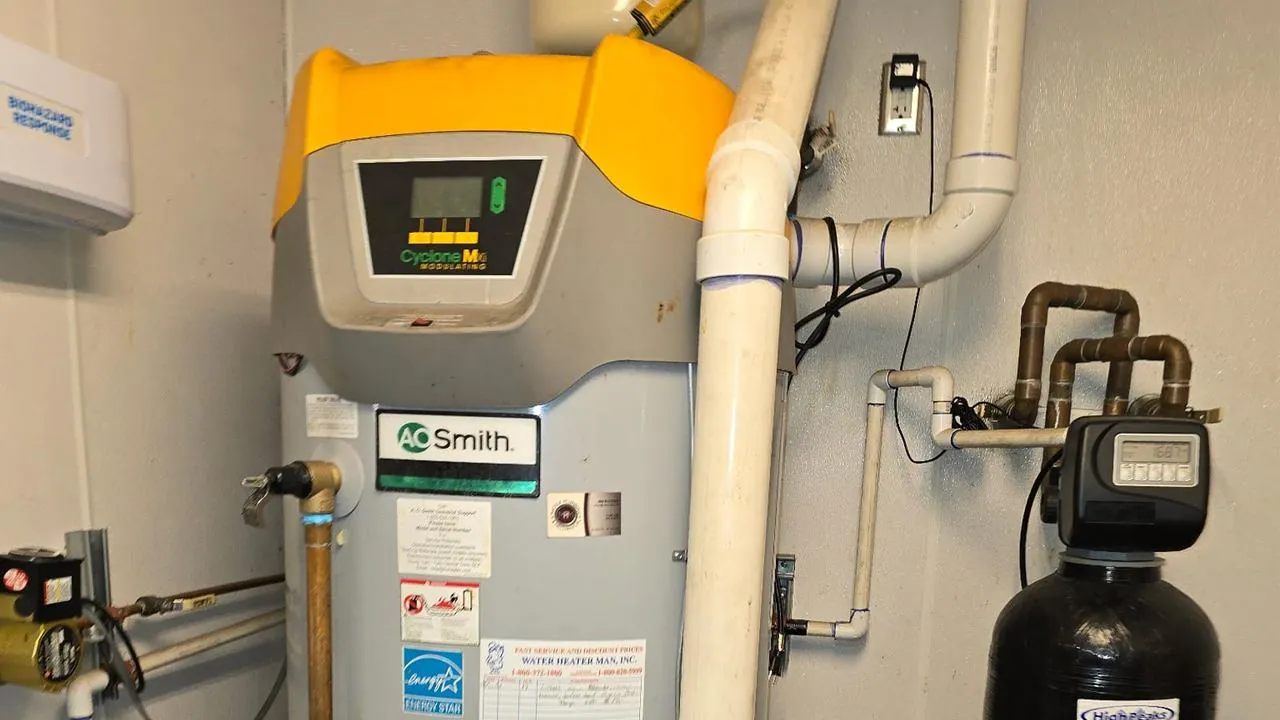
Flush Your Water Heater
Sediment settles at the bottom of tank water heaters over time and can restrict flow. Connect a garden hose to the drain valve at the base of the tank and open the valve until the water runs clear. This also improves heater efficiency. If you haven't done this in several years, it's worth doing regardless of pressure issues. See our water heater service page if you'd rather have a technician handle it.
Test Pressure with a Gauge
After completing the steps above, retest at the outdoor hose bib with all fixtures off. If you're still reading below 40 PSI and both main valves are confirmed open, the problem is most likely a failing pressure regulator, corroded pipes, or a hidden leak — all of which require professional diagnosis.
When to Call a Professional Plumber
Some pressure problems are beyond what a homeowner should attempt. These situations call for licensed diagnostic tools and professional experience.
- Sudden pressure drop with no obvious cause An abrupt change — especially one that happens overnight — often signals a hidden leak behind a wall, under a slab, or underground. Acoustic sensors and infrared cameras can locate these leaks without tearing into the structure. Don't wait; hidden leaks worsen and the water bill climbs fast.
- Whole-house low pressure after checking valves If both main valves are confirmed fully open and pressure is still below 40 PSI throughout the home, the most likely culprits are a worn pressure regulator or significant pipe corrosion — both requiring professional assessment and repair.
- Discolored or rust-colored water Brown or orange water at multiple fixtures points to corroded galvanized pipes. This is a structural plumbing issue. The rust flaking off the interior walls is what narrows the pipe and drops pressure. Repiping is the long-term solution; continued patching is rarely cost-effective once rust shows up in the water.
- Repairs needed every few months Frequent localized fixes on aging galvanized pipes — especially those from the 1960s and 1970s — are a sign the system as a whole has exceeded its service life. A full repipe typically takes two to five days depending on home size and resolves the problem rather than extending it.
- Water bill rising without explanation Pressure drops paired with higher-than-usual water bills are a strong indicator of an active hidden leak. The water is going somewhere — it's just not reaching your fixtures at full strength. This needs leak detection before the damage spreads to flooring, drywall, or the foundation.
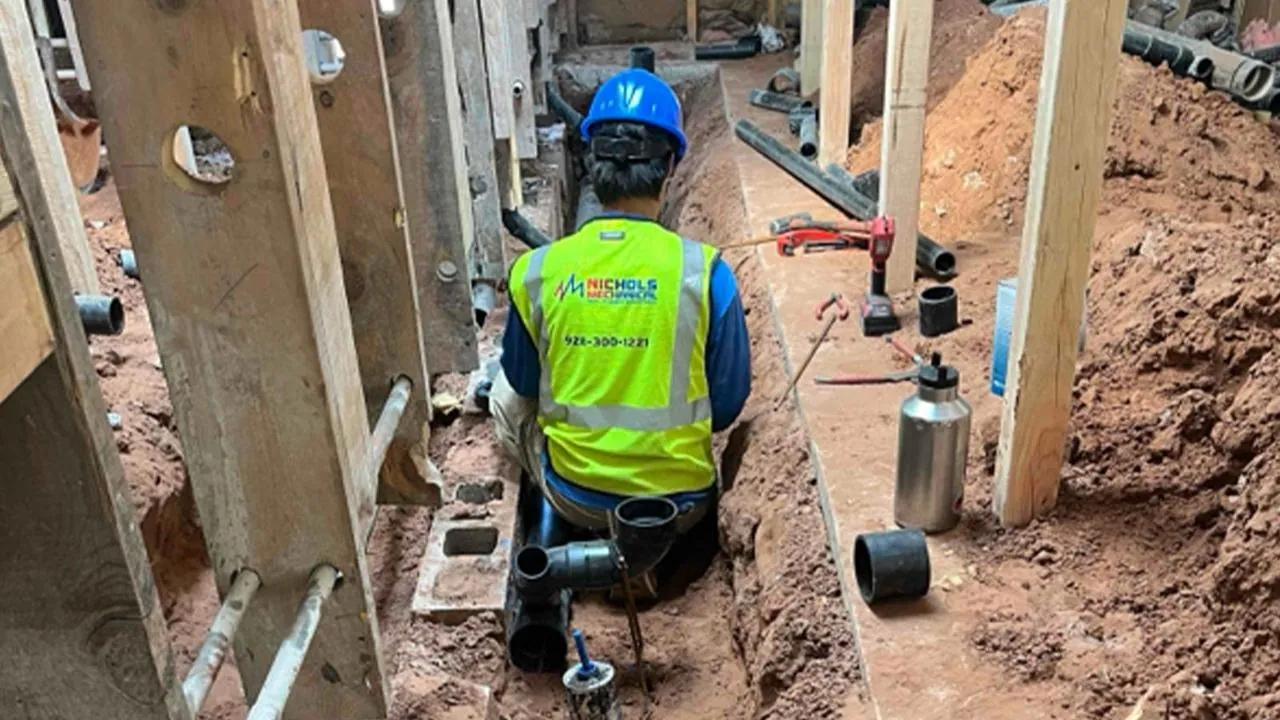
Nichols Plumbing, Electrical, & HVAC offers 24/7 emergency plumbing support for sudden pressure failures and active leaks. Our licensed technicians handle leak detection, pipe repairs, and repiping across Cottonwood, Prescott, Camp Verde, Sedona, Chino Valley, Clarkdale, and Cornville. All work is backed by a 100% satisfaction guarantee — if it doesn't meet your expectations, we'll make it right.
Preventing Future Pressure Problems
Once you've resolved the immediate issue, a few habits keep it from coming back.
Install a Water Softener
Hard water is the primary cause of mineral buildup in Verde Valley homes. A softener removes calcium and magnesium through ion exchange before they reach your pipes. This prevents the scale accumulation that narrows pipe diameter over years and extends the service life of your water heater, dishwasher, and washing machine at the same time.
Annual Plumbing Inspection
An annual check catches pressure issues — and the blockages or leaks behind them — before they affect daily life. Homes with galvanized pipes or mature trees near sewer lines benefit from inspections more than once a year. Nichols offers maintenance plans that include plumbing system checks on a scheduled basis.
Monitor Pressure Regularly
Test pressure at an outdoor hose bib monthly using an inexpensive gauge. Keeping a simple log of readings lets you spot a gradual decline before it becomes a real problem. A drop of 10 PSI or more over a few weeks warrants investigation even if nothing obvious has changed.
Address Drain Issues Early
Slow drains and low pressure often share the same root cause — mineral buildup or corroded pipe. If drain cleaning reveals significant sediment or scale inside the lines, that's a signal your pressure will follow if you don't address the buildup. Hydro jetting clears pipe interiors more thoroughly than snaking and can restore both drain speed and water flow.
Check Pressure at the Hose Bib
A quick monthly pressure reading with a gauge takes about 60 seconds. Keep a note of the reading date and PSI. If readings drift more than 10 PSI below your established baseline over a few weeks without an obvious explanation, it's time to investigate.
Clean Aerators and Showerheads
In hard-water areas like Cottonwood and Prescott, a seasonal vinegar soak for faucet aerators and showerheads keeps mineral buildup from accumulating to the point of noticeable pressure loss. Four times a year takes about 30 minutes total and eliminates one of the most common causes of localized pressure drops.
Professional Plumbing Inspection
Have a licensed plumber assess your main water lines, test system pressure, and inspect fixture connections once a year. Homes over 20 years old — particularly those with original galvanized pipe — benefit most from this. Catching a regulator on its way out or a developing leak early is almost always less expensive than addressing the results after the fact.
Still Getting Low Water Pressure After the DIY Steps?
Nichols Plumbing, Electrical, & HVAC serves Cottonwood, Prescott, Camp Verde, Sedona, Chino Valley, Clarkdale, Cornville, and the surrounding Verde Valley. 24/7 emergency support available — schedule a plumbing inspection today.
Request Service