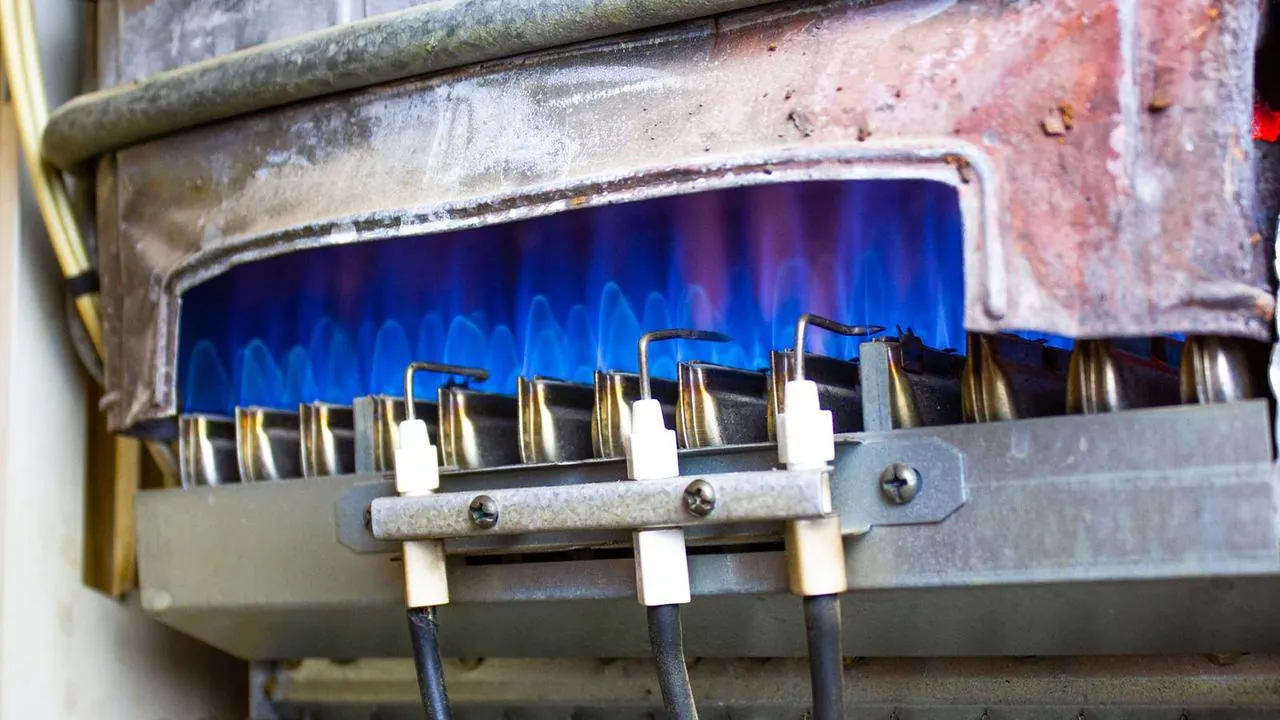
When winter settles into the Verde Valley, Arizona homeowners rely heavily on their heating systems to maintain a sanctuary against the high-desert chill. However, many residents overlook a critical reality: your furnace does much more than just regulate temperature. The health of your furnace is inextricably linked to your indoor air quality, influencing everything from the amount of dust on your shelves to the health of your family’s lungs.
At Nichols Plumbing, Electrical, & HVAC, we believe that understanding this connection is the first step toward a healthier, more comfortable home environment during the cooler months.
A well-maintained furnace acts as a sophisticated filtration and circulation hub. When it functions correctly, it traps pollutants and ensures a steady flow of fresh, tempered air. Conversely, a neglected furnace can become a source of pollution itself, harboring mold, circulating concentrated allergens, and even venting dangerous gases into your living space.
This guide explains how your heating system affects the air in your home. We will examine the mechanics of air filtration, the hidden dangers of mechanical neglect, and the professional steps you can take to keep the air you breathe as clean as possible. By prioritizing furnace health, you aren't just protecting an appliance; you are investing in the long-term wellness of your household.
The Mechanics of Air Filtration and Circulation
To understand how a furnace impacts indoor air quality, one must first understand the path air takes through the system. Your furnace pulls air from your rooms through return vents, passes it through a filter, heats it via a heat exchanger, and then pushes it back out through supply ducts.
This cycle means the air in your home passes through your furnace again and again while it runs. If the filtration system is compromised—either by a low-quality filter or a filter that has become clogged with debris—the entire system fails to remove the microscopic particles that trigger allergies and asthma.
A clogged filter doesn't just stop "cleaning" the air; it creates a pressure drop that can cause "blow-by," where unfiltered air is sucked around the edges of the filter and sent back into your home.
Furthermore, the blower motor plays a pivotal role in maintaining air freshness. In modern HVAC systems, the fan can be set to run even when the burners are off. This constant circulation prevents "stagnant air" pockets where pollutants tend to settle. However, if the blower motor is coated in grime or the fan blades are weighed down by dust, the circulation becomes sluggish.
This lack of movement allows particulate matter to settle on your carpets and furniture, creating a reservoir of allergens that are kicked back into the breathing zone every time someone walks across the room. Furnace maintenance from Nichols ensures that these mechanical components are clean and moving air properly.
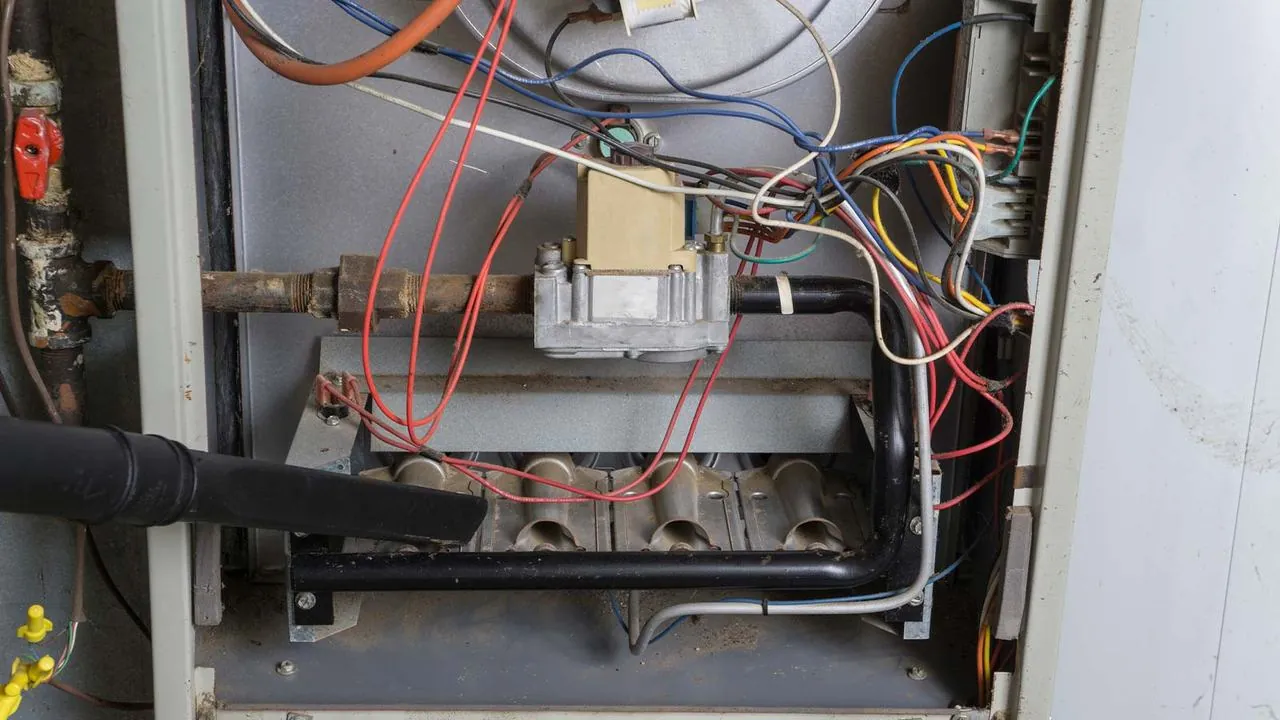
Common Pollutants Hidden in Your Heating System
- Accumulated Desert Dust: In our Arizona climate, fine silt and dust can penetrate even the tightest seals, settling inside furnace cabinets and being redistributed through vents.
- Biological Growth and Mold: If there is any moisture near the furnace—such as a small leak or high humidity—the dark, warm interior of the unit becomes a breeding ground for mold spores.
- Pet Dander and Hair: Furnaces act as magnets for pet dander, which can become trapped in the blower compartment and recirculated for months after a pet has left the home.
- Volatile Organic Compounds (VOCs): Dust inside a furnace often contains traces of household chemicals, cleaning agents, and pesticides that become airborne when heated.
- Carbon Monoxide (CO): A cracked heat exchanger can allow this odorless, colorless, and deadly gas to leak into the air stream, representing the most severe threat to your home's safety.
- Bacteria and Viruses: Without UV air purifiers or high-efficiency filters, pathogens can survive the trip through the ductwork and spread from one room to another.
- Insulation Fibers: Deteriorating internal insulation within the furnace cabinet or old ductwork can shed fiberglass particles into the air.
- Soot and Combustion Byproducts: If a gas furnace is "burning dirty" due to clogged burners, it can release soot and nitrogen dioxide into the home environment.
The Hidden Dangers of Mechanical Neglect
Neglecting furnace maintenance is a gamble with your health. Over time, the internal components of a gas or electric furnace degrade. In gas-powered units, the heat exchanger is subject to constant expansion and contraction as it heats and cools. Over a decade of use, this thermal stress can lead to microscopic cracks.
While these cracks might not initially affect the heating performance, they are catastrophic for indoor air quality. They allow combustion gases—including carbon monoxide and nitrogen dioxide—to mix with the air that is blown into your bedrooms. Because these gases are often odorless, residents may suffer from "vague" symptoms like headaches, fatigue, and nausea, never realizing that their furnace is slowly poisoning the atmosphere.
Beyond the chemical risks, mechanical neglect leads to a buildup of "bio-load" within the system. When a furnace is not cleaned professionally, the layer of dust that accumulates on the internal coils and sensors acts as a food source for bacteria. During the shoulder seasons when the furnace sits idle, these colonies can grow undisturbed.
When you finally turn the heat on for the first cold night in Cottonwood, a "slug" of concentrated pollutants and biological debris is blasted into your home. That first blast of stirred-up dust can irritate allergies and sinuses early in the heating season.
How Poor Air Impacts Long-Term Wellness
The medical community has long recognized the "sick building syndrome," where the occupants of a home experience acute health effects that seem linked to time spent indoors. When your furnace is unhealthy, it exacerbates chronic conditions such as COPD, emphysema, and seasonal asthma. Children are particularly vulnerable; because they breathe more rapidly than adults and their lungs are still developing, the particulate matter circulated by a dirty furnace can aggravate breathing problems.
Fine particulate matter (PM2.5) is small enough to pass from the lungs into the bloodstream, where it can cause systemic inflammation and even contribute to cardiovascular strain over long periods of exposure.
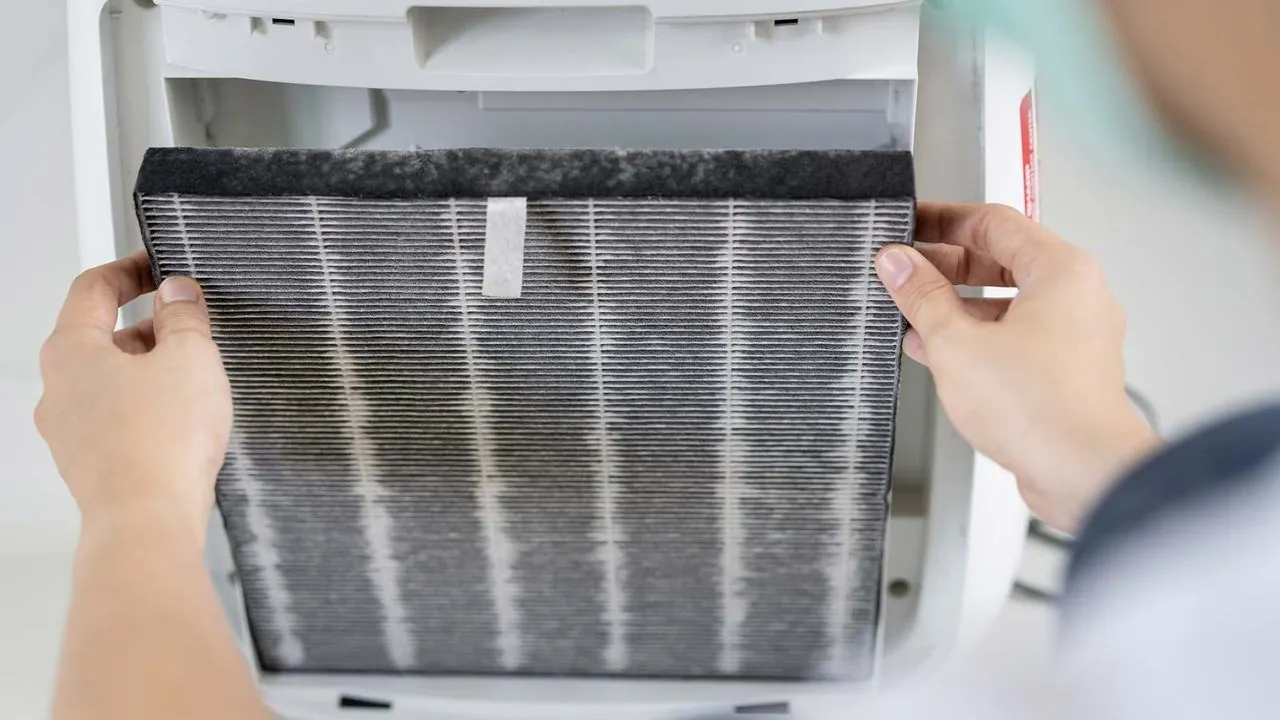
In addition to physical ailments, poor air quality can impact cognitive function and sleep quality. Airborne pollutants have been linked to "brain fog" and decreased productivity. If you find that you wake up with a scratchy throat, dry eyes, or a persistent cough that disappears once you leave the house for work, your furnace and ductwork are worth checking.
By maintaining a clean system with our heating services, you are removing these microscopic stressors from your environment. A healthy furnace ensures that your body can truly rest and recover at night, rather than spending its energy fighting off an endless barrage of airborne irritants and pathogens.
Frequently Asked Questions About Furnaces and Air Quality
Q: How often should I change my furnace filter to keep air clean? A: Check your filter monthly and replace it every 1–3 months, more often if you have pets or a lot of dust. Using a high-MERV rated filter can trap more particles but requires more frequent changes to prevent system strain.
Q: Can a dirty furnace cause a "burning smell" in my house? A: Yes. When dust settles on the heat exchanger during the summer, it burns off during the first few cycles of winter. While a slight smell is normal for the first hour of the season, a persistent burning smell indicates a heavy accumulation of debris or electrical issues that need immediate professional attention.
Q: Do UV lights in a furnace actually help? A: They can. UV-C germicidal lights installed within the furnace cabinet can reduce bacteria, viruses, and mold spores that pass through the system. This is an excellent upgrade for families with sensitive immune systems or chronic respiratory conditions.
Q: Will a new furnace fix my dust problem? A: A new furnace will have a tighter seal and better filtration options, which will significantly reduce dust. However, for a total solution, you should also have your ducts inspected for leaks, as leaky ducts can pull dust from your attic or crawlspace into the furnace stream.
Professional Solutions and Preventative Maintenance
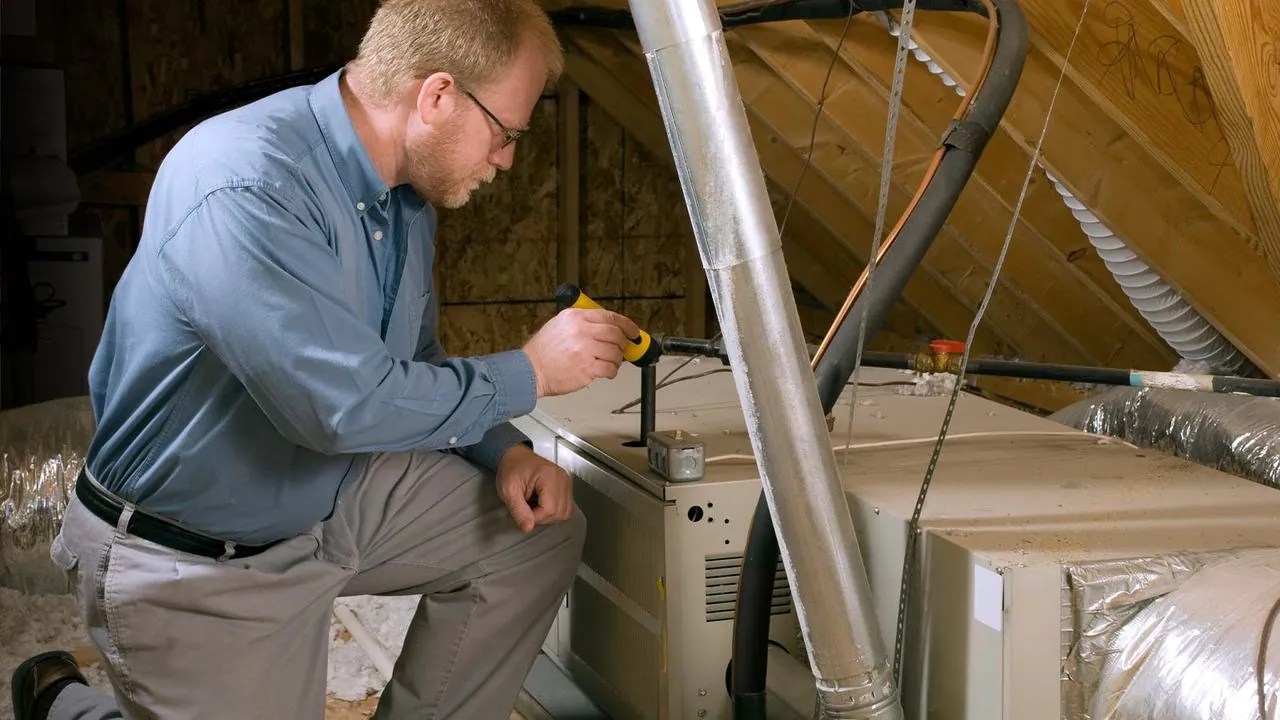
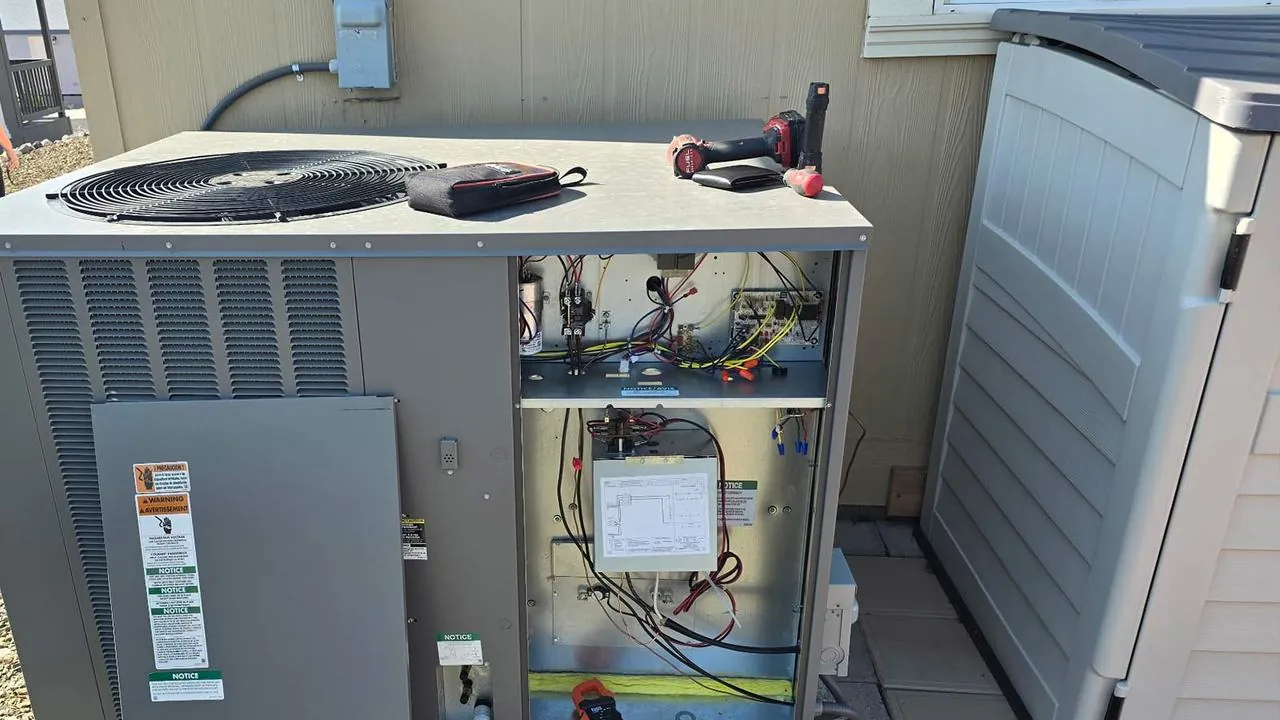
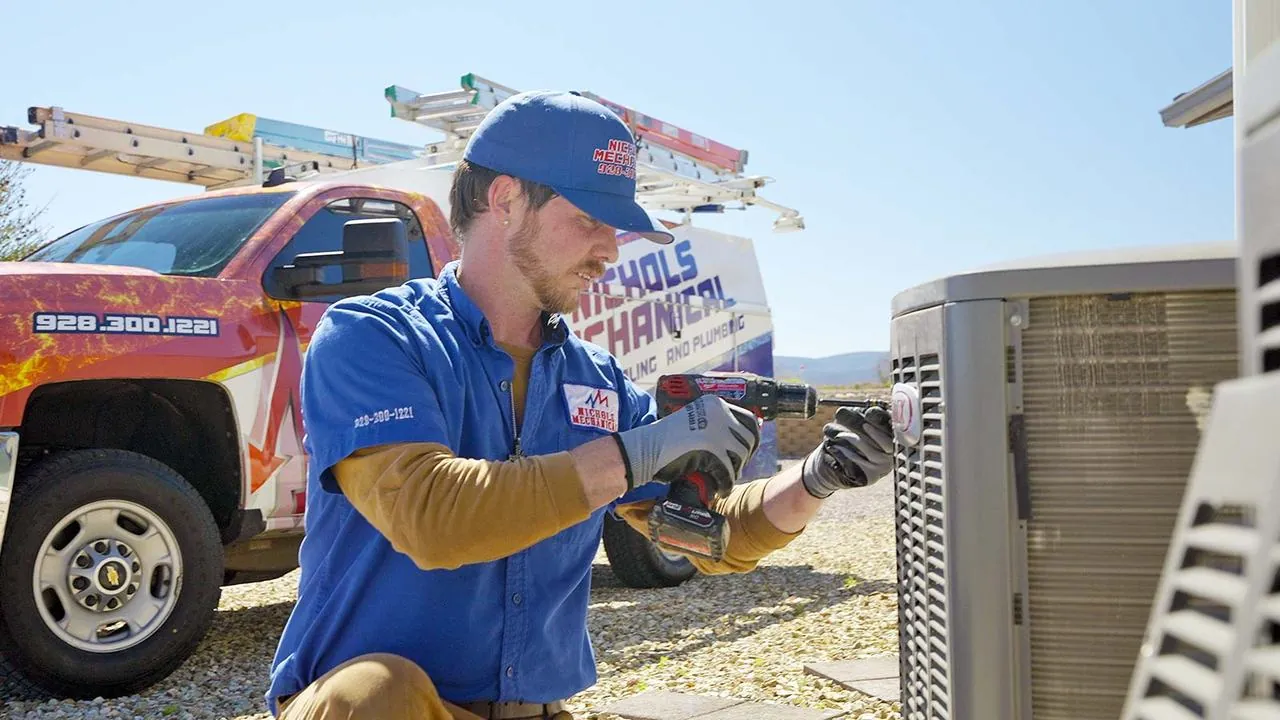
While homeowners can change filters, professional intervention is required to truly safeguard your air. A professional furnace tune-up involves a detailed cleaning of the blower assembly, the burner tray, and the heat exchanger—areas that are inaccessible to the average person. Technicians use specialized tools to verify that the combustion process is tuned perfectly, ensuring that no excess carbon monoxide is produced.
They also inspect the integrity of the flue pipe and the seals around the furnace cabinet. These steps are vital because even a tiny gap in the return air plenum can pull in unconditioned, dirty air from the garage or attic, bypassing your filter entirely.
At Nichols, we also offer advanced indoor air solutions that integrate directly with your furnace. This includes Whole-Home Air Purifiers (like HEPA or electronic cleaners) and humidifiers. In the dry Arizona winter, a furnace-integrated humidifier can maintain an ideal 35-50% humidity level, which keeps your respiratory membranes moist and better able to naturally filter out dust.
By taking a holistic approach to furnace health, we don't just fix parts; we optimize the entire atmosphere of your home. Scheduling annual maintenance before the peak of winter is the most cost-effective way to ensure your system doesn't become a liability to your health or your wallet.
Conclusion
The link between your furnace and your home’s air quality is undeniable. A furnace is not merely a box that produces heat; it is a complex circulation system that determines the purity of every breath you take while indoors. From the mechanical precision of the blower motor to the integrity of the heat exchanger and the efficiency of the filtration media, every component plays a role in shielding your family from pollutants.
In the unique environment of Arizona, where desert dust and seasonal allergens are a constant presence, your furnace stands as the final line of defense. Neglecting this system does more than just risk a breakdown; it compromises the safety and comfort of your living space.
By investing in regular maintenance, choosing high-quality filters, and considering air-purifying upgrades, you can transform your HVAC system into a powerful wellness tool. If you haven't had your system inspected recently, now is the time to act. For expert guidance, safety inspections, and comprehensive maintenance, trust the team at Nichols Plumbing, Electrical, & HVAC to keep your air pure and your family warm. Contact us today to schedule your furnace health check and breathe easier knowing your home is in professional hands.