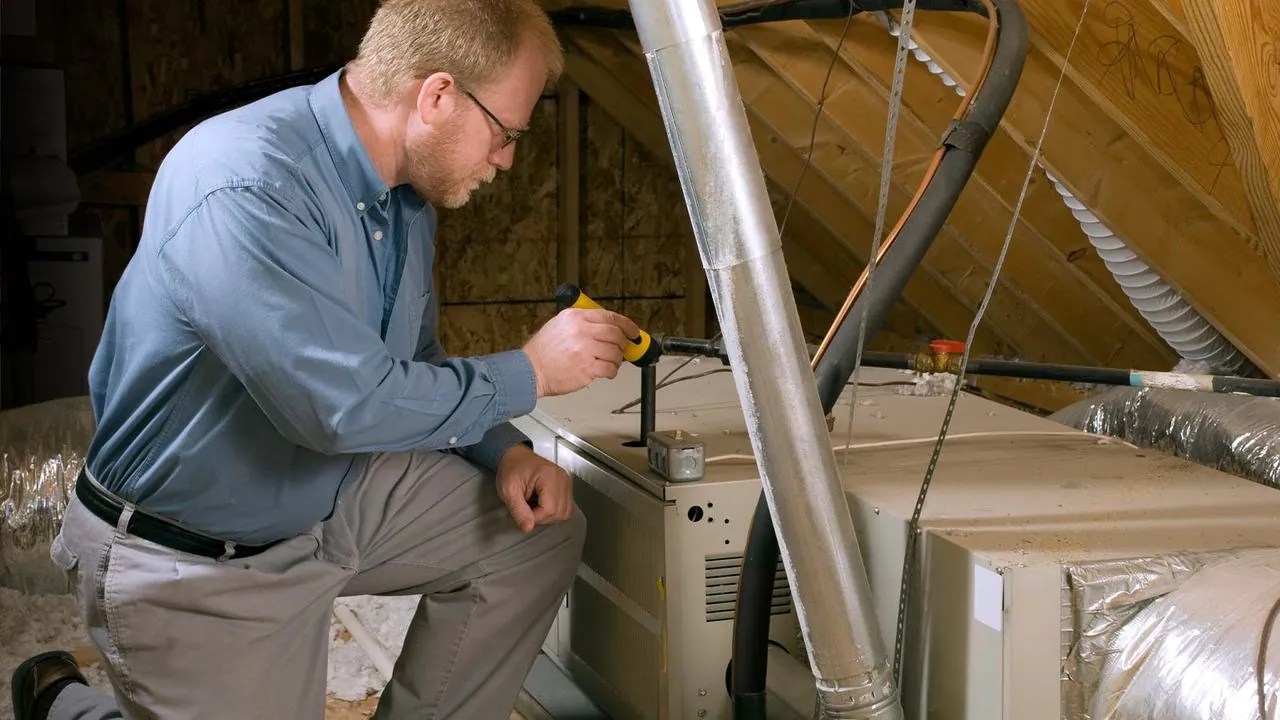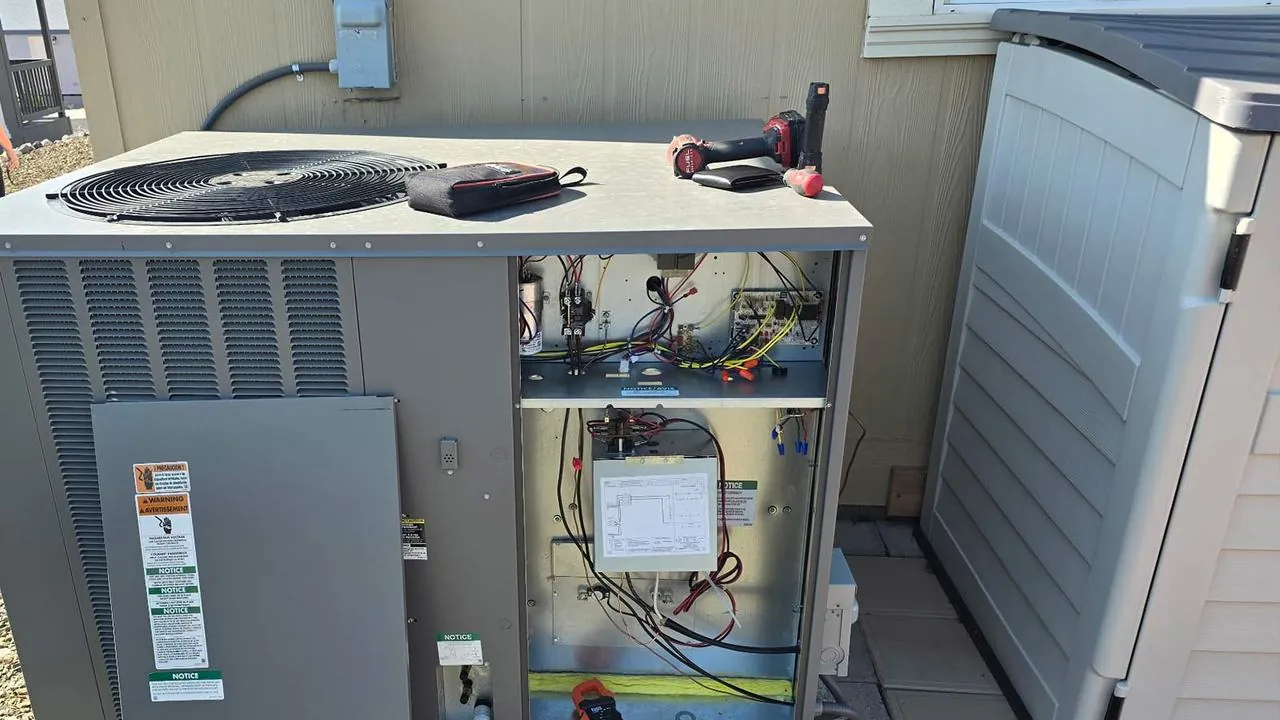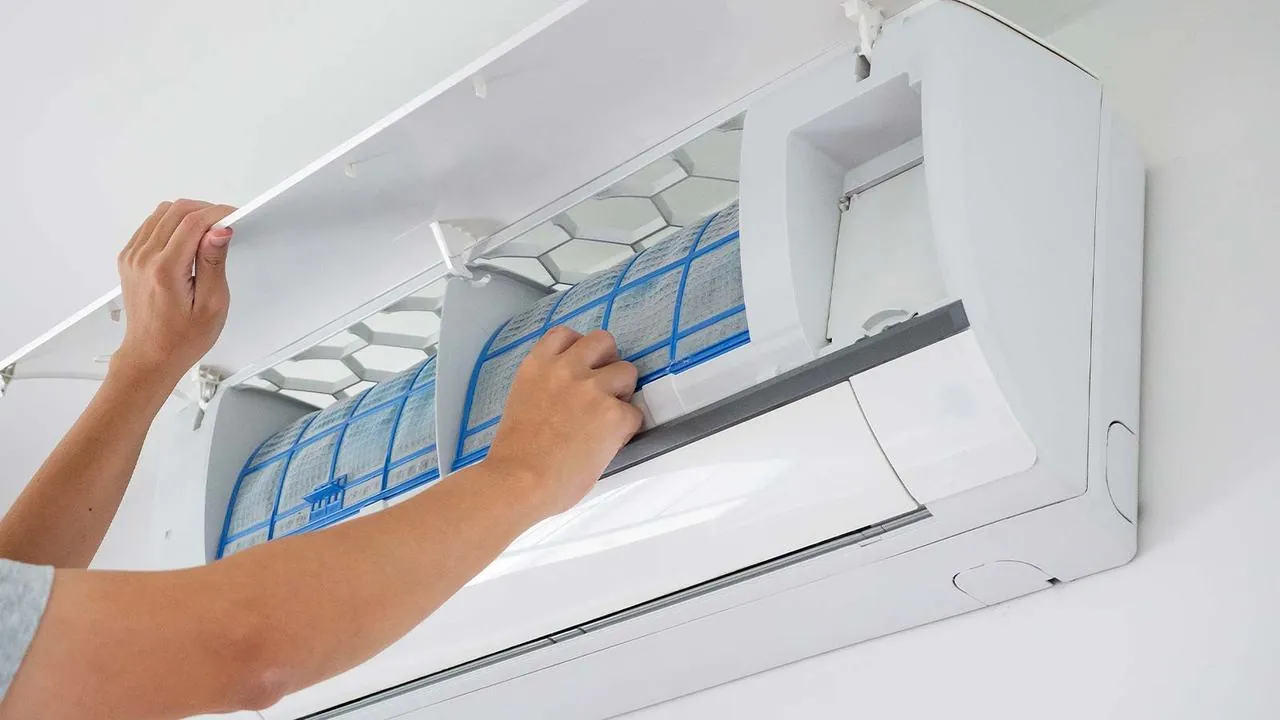
If you are shopping for a new air conditioner in Prescott, you have probably noticed the SEER2 numbers plastered across every quote and yellow EnergyGuide label. Higher is more efficient, and it is tempting to assume the biggest number wins. But Prescott is not Phoenix. At mile-high elevation, with mild summers and genuinely cold winters, the way SEER2 translates into real savings looks different than it does down in the low desert.
This guide explains what the rating actually measures, what Arizona requires, and how to pick the right number for a home at altitude.
What Do SEER and SEER2 Actually Mean?
SEER stands for Seasonal Energy Efficiency Ratio. It measures how much cooling an air conditioner produces over a season relative to the electricity it uses. The higher the SEER2 number, the more cooling you get per dollar of energy, which is why efficiency and operating cost are tied directly to this rating.
Think of it like miles per gallon for your air conditioner. Just as a higher-MPG car goes farther on the same fuel, a higher-SEER2 system delivers the same comfort while pulling less power off the grid. Modern systems generally run from about 14 up into the low twenties, and the ones at the top of that range use advanced technology like variable-speed compressors that ramp up and down to match demand rather than simply switching on and off.
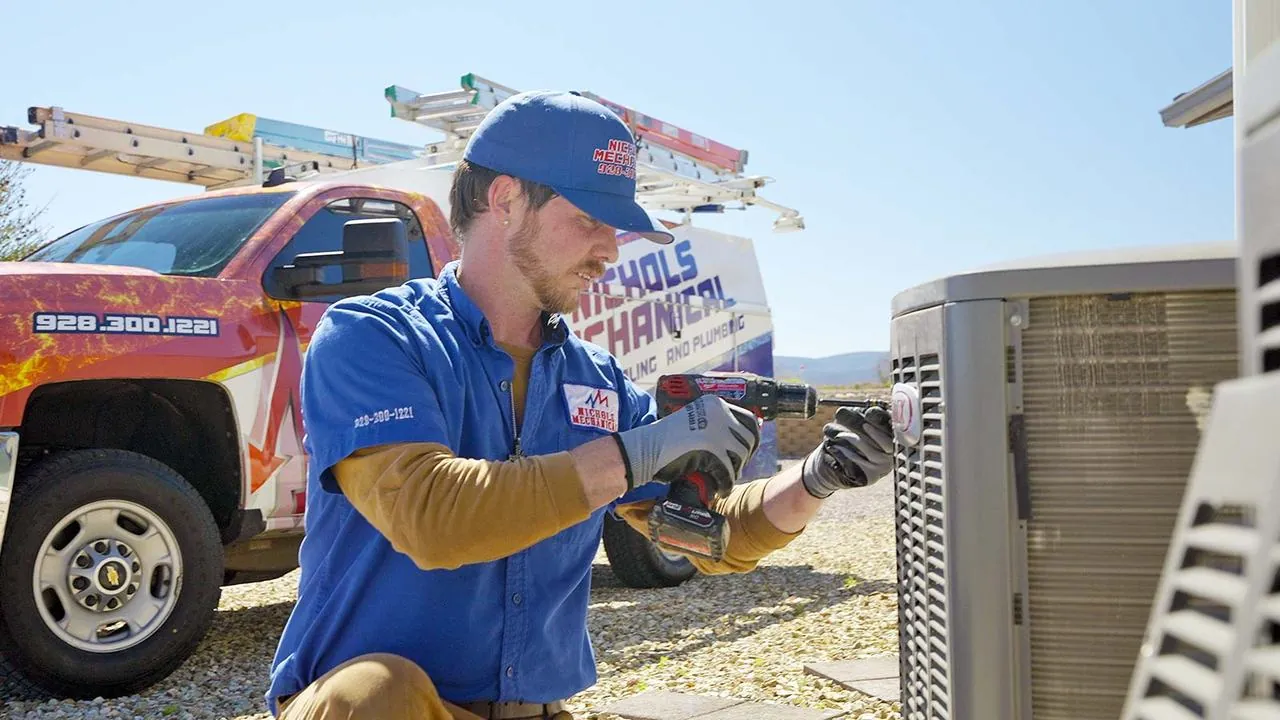
The SEER2 rating describes the outdoor condenser and its matched indoor coil working together as a system.
SEER vs. SEER2: Why the Numbers Changed in 2023
If you replaced a unit years ago, you might remember SEER without the "2." On January 1, 2023, the Department of Energy switched to SEER2, an updated testing standard. The change was not cosmetic: the new test raises the external static pressure the equipment is measured against, which better reflects the resistance of real ductwork in a real home rather than an idealized lab setup.
The practical effect is that SEER2 numbers look slightly lower than the old SEER numbers for the exact same equipment, by roughly 4.5 percent. A unit that would have been labeled 15 SEER is about 14.3 SEER2. This trips up a lot of homeowners comparing an old quote to a new one, so it is worth remembering: a lower SEER2 figure is not a weaker unit, just a more honest measurement.
Arizona's Minimum SEER2 Standards
Efficiency minimums are set by climate region, and Arizona sits in the DOE's Southwest region, which carries some of the strictest requirements in the country. Since 2023, equipment that falls below these minimums cannot legally be installed here, regardless of when it was manufactured. Here is where the floor sits:
| Equipment (Arizona / Southwest) | Minimum SEER2 | Roughly Equivalent SEER |
|---|---|---|
| Split-system AC, under 45,000 BTU | 14.3 SEER2 | ~15 SEER |
| Split-system AC, 45,000 BTU and up | 13.8 SEER2 | ~14.5 SEER |
| Heat pumps (all regions) | 14.3 SEER2 + 7.5 HSPF2 | ~15 SEER |
HSPF2 (Heating Seasonal Performance Factor 2) measures a heat pump's heating efficiency, which matters more in Prescott than in the low desert. Standards can be updated over time, so confirm current requirements when you buy.
So the lowest-efficiency system you can install in Prescott is already fairly efficient by historical standards. The real decision is not whether to meet the minimum, but how far above it to go. That is where local climate comes in.
Does Altitude Change Your SEER Rating?
Here is the myth worth clearing up first: altitude does not change a unit's SEER2 rating. SEER2 is measured under standardized laboratory conditions, so a 16 SEER2 system is rated 16 SEER2 whether it runs in Prescott at 5,400 feet or in Phoenix. You will not find a separate "high-altitude SEER2" number on the label, because there isn't one.
What altitude genuinely affects is real-world performance and installation. The air in Prescott is noticeably thinner than at low elevation, and that thinner air changes how equipment moves heat and air:
- Airflow behaves differently, so blower settings and duct design need to account for lower air density to actually deliver rated performance
- Gas furnaces require altitude-specific adjustments to their combustion, since there is less oxygen per cubic foot of air
- Correct system sizing matters more, because an oversized unit short-cycles and wastes the efficiency you paid for
In other words, altitude is an installation-and-setup issue, not a label issue. A high-SEER2 system performs beautifully at elevation when it is properly sized and commissioned by someone who understands high-desert conditions, and underperforms when it is not, no matter how big the number on the box.
Matching SEER2 to Prescott's Climate
This is where Prescott homeowners can genuinely save money by thinking differently than a Phoenix buyer would. A higher-SEER2 system saves energy for every hour it runs, so the value of that efficiency scales with how much you cool. Phoenix homes run their air conditioners for a brutal, months-long season, which is why paying up for high efficiency pays back quickly there.
Prescott's summers are milder and shorter, with cooler nights and big day-to-night temperature swings. Your AC simply runs fewer hours per year, which means the raw dollar savings from an ultra-premium system accumulate more slowly, stretching out the payback period on the priciest units. This does not mean efficiency is pointless, it means you should match the rating to your actual usage rather than reflexively buying the highest number.
For many Prescott homes, a mid-tier system around 16 SEER2 lands in the practical sweet spot of efficiency, comfort features, and reasonable payback, while larger homes or heavy users may still justify a premium unit.
One important note on incentives, because they change often: utility and state rebate programs vary by provider and change frequently. Verify any current incentives with your utility and installer before you count on them. If you are also weighing brands, our comparison of Trane vs. Carrier vs. Lennox pairs well with this efficiency discussion.
Heat Pumps and Prescott Winters
Here is another way Prescott differs from most of Arizona: it gets real winters. Freezing temperatures and snow are normal, which makes the heating side of the equation matter far more than it does in Phoenix. If you are considering a heat pump, which both cools and heats, do not judge it on SEER2 alone. Look at its HSPF2 heating rating and its cold-weather performance, because a heat pump's efficiency and capacity drop as temperatures fall.
Some Prescott homeowners choose a heat pump paired with backup heat for the coldest stretches, while others prefer a high-efficiency air conditioner paired with a separate furnace. Both are valid, and the right call depends on your home, your existing equipment, and your comfort priorities. Because the heating demand here is real, this decision deserves more thought than it would at lower elevation. A local pro can walk you through the trade-offs for your specific situation.
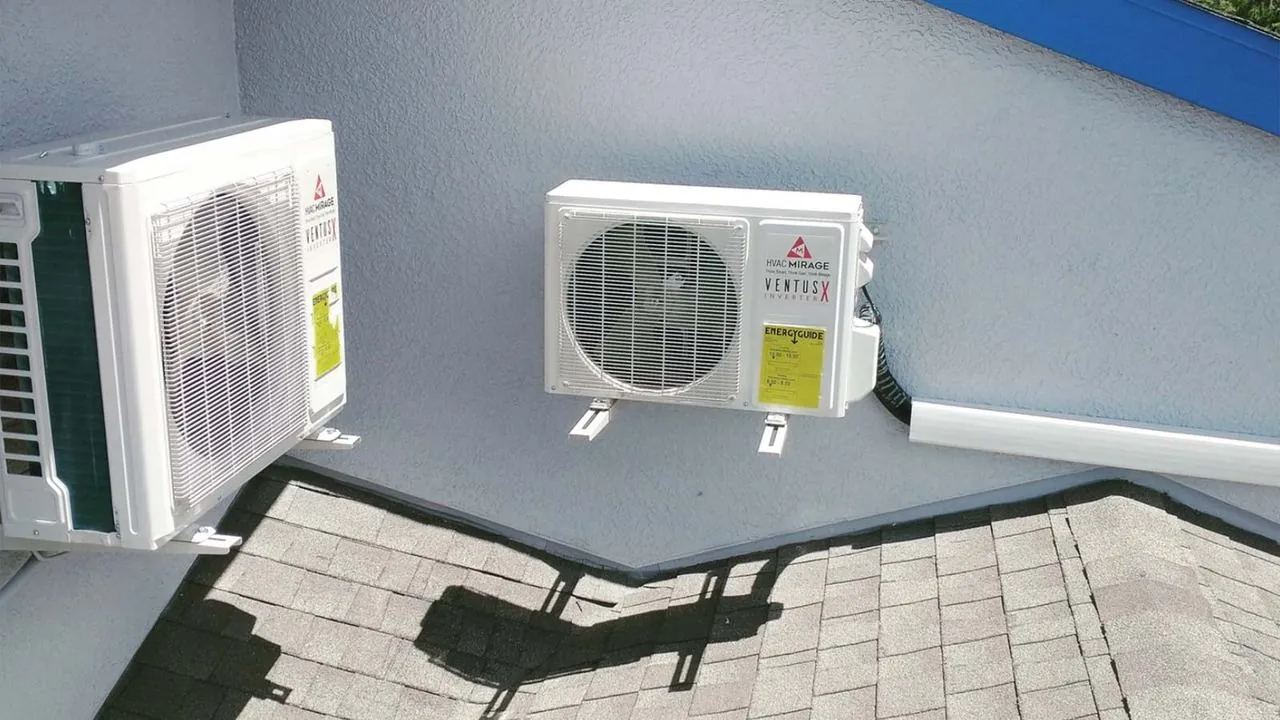
Ductless mini-splits are a strong high-efficiency option for Prescott's older or ductless homes, additions, and casitas.
Why Sizing and Installation Matter More Than the Number
If there is one thing to take away, it is this: a correctly sized, correctly installed mid-tier system will outperform a premium high-SEER2 system that was thrown in carelessly. The rating on the box is a ceiling, not a guarantee. You only reach it when the equipment is matched to your home and set up properly.
That starts with a proper load calculation, known as a Manual J, which sizes the system to your home's actual heat gain rather than a rule-of-thumb guess. Oversizing is a common and costly mistake: an AC that is too big cools the air quickly but short-cycles, running in brief bursts that waste energy, wear out components, and never let the system settle into its efficient stride.
Leaky or poorly designed ductwork can quietly erase a big chunk of your rated efficiency. And at Prescott's elevation, airflow and equipment setup need altitude-aware adjustment to hit the numbers on paper.
This is why choosing an installer who does the homework matters as much as choosing the SEER2 tier. Nichols designs and installs central air, mini-split, and high-efficiency systems for the Prescott area, sizing each one to the home and the local climate. You can explore our approach to AC installation and our full range of cooling services, and keep an existing system running at its rated efficiency with a seasonal AC tune-up or a maintenance plan.
And if your current system is limping along, a targeted AC repair can buy you time to plan the right replacement rather than rushing it in July.
Get the right number for your home, not just the biggest one
The best SEER2 rating for your Prescott home depends on how much you cool, whether you need heating too, and how your home is built. As a family-owned, triple-licensed and Energy Star QA Certified contractor, Nichols handles AC installation in the Prescott area sized for high-desert conditions, helping you choose the efficiency tier that actually pays off. Request a consultation or check current AC service savings.
Find the Right SEER2 for Your Prescott Home
Skip the guesswork. Let Nichols size your system for Prescott's altitude and climate and match you with the efficiency level that actually pays off.
Request Service Online