Every plumbing problem you ignore today could turn into a devastating emergency tomorrow. Plumbing emergencies can lead to major damage to your home and disrupt your daily life. Burst pipes are one of the most damaging plumbing emergencies any homeowner can face. Most emergency plumbing problems give you warning signs before they spiral out of control. This guide shows you how to spot plumbing problems early, understand preventive maintenance, and know when to act without delay.
Why Early Detection of Plumbing Problems Matters
The High Cost of Delayed Repairs
A simple repair scheduled during normal business hours costs substantially less than an emergency call at an inconvenient time. Postponing a plumbing problem lets it grow well beyond the original repair.
Water damage spreads faster through your home's structure. A small pipe leak that only needs a fitting replacement can deteriorate into something much more serious. The same leak left unchecked rots wood and damages drywall, and can end up requiring complete pipe replacement. The longer water escapes or backs up, the more areas it affects.
Leaky faucets can waste thousands of gallons of water a year and force you to pay higher water bills than needed. Running toilets are wasteful too and consume hundreds of gallons per month. These problems become expensive when ignored.
Water doesn't limit its destruction to visible areas. Moisture seeps into insulation, wooden beams begin to rot, and electrical wiring becomes compromised. Mold spreads behind walls and can begin growing within 24 to 48 hours of ongoing moisture. These hidden damages require restoration work that includes wall removal and reconstruction, floor replacement, and professional mold remediation.
Insurance policies often exclude damage caused by long-term neglect. Many homeowner insurance policies require proof that maintenance was performed and don't cover slow leaks that weren't addressed promptly. You'll shoulder the full financial burden of repairs that could have been prevented.
How Small Issues Escalate into Emergencies
Water is persistent. For example, a tiny leak creates progressive damage when left unchecked. What appears as a minor inconvenience often signals deeper issues lurking beneath the surface.
Hidden leaks under sinks, behind walls, or beneath the slab go unnoticed for extended periods. Damage worsens during this time:
- Water weakens wooden structures and corrodes metal fixtures
- Pipes wear down from continuous stress
- Damp spaces create perfect environments for mold growth
- Structural support becomes compromised
Low water pressure might seem like a drag, but it indicates serious plumbing problems that include pipe leaks, blockages, and corroded pipes. These issues worsen over time without professional intervention.
Scale buildup from hard water accumulates in pipes and appliances. Mineral accumulation causes low water pressure, blockages, and corrosion over time, which can lead to pipe rupture. The progression happens until reaching a breaking point.
Backed-up water signals mainline sewer problems. Water backing up into your tub when you flush the toilet indicates blockages that can stem from tree root intrusion or septic tank issues. Determining the cause becomes impossible without professional inspection.
The Benefits of Proactive Plumbing Care
Preventive maintenance protects both your plumbing system and your budget. Regular inspections catch issues early before they evolve into major failures such as pipe bursts or severe clogs.
Routine plumbing maintenance costs much less than emergency repairs. Emergency plumbing services require immediate response and often occur outside normal business hours. Preventative care spreads costs across smaller, manageable service visits.
Plumbing fixtures and pipes receiving consistent care last longer than neglected systems. Fewer replacements and repairs translate into long-term savings. Efficient plumbing also reduces water waste and energy consumption, which lowers monthly utility costs.
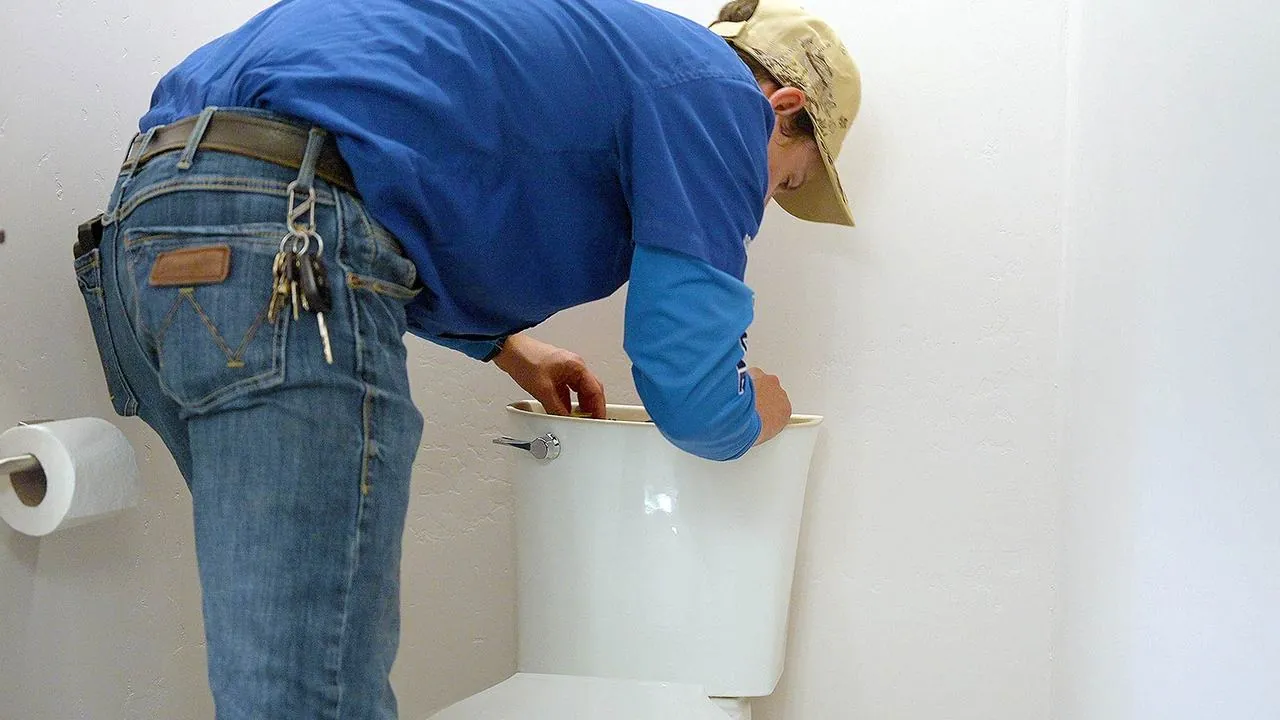
Regular inspections identify potential issues before they escalate. Routine checks under sinks detect moisture early, and proactive drain cleaning prevents backups that lead to flooding. Monitoring water pressure helps spot problems before they become emergencies.
Early detection remains your best defense against costly emergency plumbing problems that disrupt your home and drain your finances.
Common Early Warning Signs of Plumbing Problems
Your home communicates through subtle signals when plumbing problems develop. Recognizing these early warnings allows you to address issues before they change into emergency plumbing problems requiring urgent intervention.
Unexplained Water Stains or Moisture
Water stains on ceilings or walls serve as visible evidence of hidden leaks. These brownish, irregularly shaped marks indicate water has settled from somewhere above and evaporated, leaving discolored patches behind.
Check for persistent musty odors near sinks or behind walls. Soft or warped flooring, especially around bathrooms or laundry areas, signals moisture accumulation beneath the surface. Bubbling paint on ceilings or drywall points to ongoing water intrusion that requires immediate attention.
Moisture doesn't always appear where the leak originates. Water can travel considerable distances before accumulating at a low point and permeating surfaces below. Rooms above any stained ceiling need inspection, especially bathrooms where toilet seals, shower pans, or caulking may have failed.
Changes in Water Pressure
Sudden water pressure drops throughout your home indicate serious plumbing problems. A drop across all fixtures points to a whole-house cause, such as a failing pressure regulator, a supply problem, or a leak. That specific fixture or its supply line has issues when only one faucet experiences reduced flow.
Normal household water pressure is 40 to 80 PSI. Readings below 40 PSI warrant investigation, and above 80 PSI a pressure-reducing valve is recommended. Test your pressure with an inexpensive gauge attached to an exterior hose connection.
Pressure drops accompanied by unexplained wet spots in your yard, higher water bills, or the sound of running water when fixtures are off suggest mainline leaks. These leaks create secondary outlets for water before it reaches your taps and reduce available pressure.
Mineral deposits and corrosion restrict water flow inside pipes over time. Galvanized steel pipes deteriorate from the inside out over 30 to 40 years and narrow the pipe significantly. Hard water leaves scale buildup that constricts flow.
Unusual Sounds from Pipes or Fixtures
Banging or hammering sounds occur when water flow stops abruptly and creates pressure waves that slam against pipe interiors. This "water hammer" can damage pipe joints, valves, and appliances over time. Loose pipes that shake when water flows also produce knocking sounds.
Gurgling from sinks, tubs, or toilets points to drainage or venting issues. Blocked vents trap air in pipes and force it through water in drains, creating bubbling sounds. Gurgling can also indicate developing clogs deeper in your system as water struggles past obstructions.
Whistling or squealing noises signal restricted water flow through partially closed valves, worn faucet washers, or malfunctioning pressure-reducing valves. Toilets whistle when fill valves age or malfunction.
Rising Water Bills Without Increased Usage
An unexpected surge in your water bill often represents the first indication of hidden plumbing problems. Compare current bills with past ones to spot irregular patterns. Bills increasing by significant amounts without corresponding usage changes demand investigation.
One leaking toilet can waste hundreds of gallons a day. Even slow drips from faucets add hundreds of gallons monthly to your consumption. Check your water meter when no water is being used. A leak exists somewhere in your system if it continues moving.
Slow Drains Throughout Your Home
One slow drain means a localized clog. Multiple slow drains at the same time indicate blockages in your main sewer line. Wastewater from every branch hits a bottleneck with nowhere to flow except back toward your fixtures when the main line gets blocked.
Symptoms worsen when you use multiple water sources at once. Running the washing machine while showering and flushing toilets creates a surge of wastewater that hits the blockage and backs up into multiple fixtures. The lowest drains in the house, like tubs, showers, or floor drains, act up first.
Foul Odors from Drains or Fixtures
Sewer gas smells resembling rotten eggs indicate your sink trap's water seal has failed. These P-traps hold water to prevent sewer gasses from entering your home. Water evaporates from traps in rarely used sinks or floor drains and allows odors to escape.
Persistent musty smells near drains suggest mold or mildew growth from moisture buildup. Your main sewer line may have problems requiring professional intervention when multiple drains emit sewer-like odors.
Specific Plumbing Problems and Solutions to Watch For
Certain plumbing problems need closer attention because they frequently disguise themselves as minor annoyances before developing into emergency plumbing problems.
Toilet Issues: Running Water and Weak Flushes
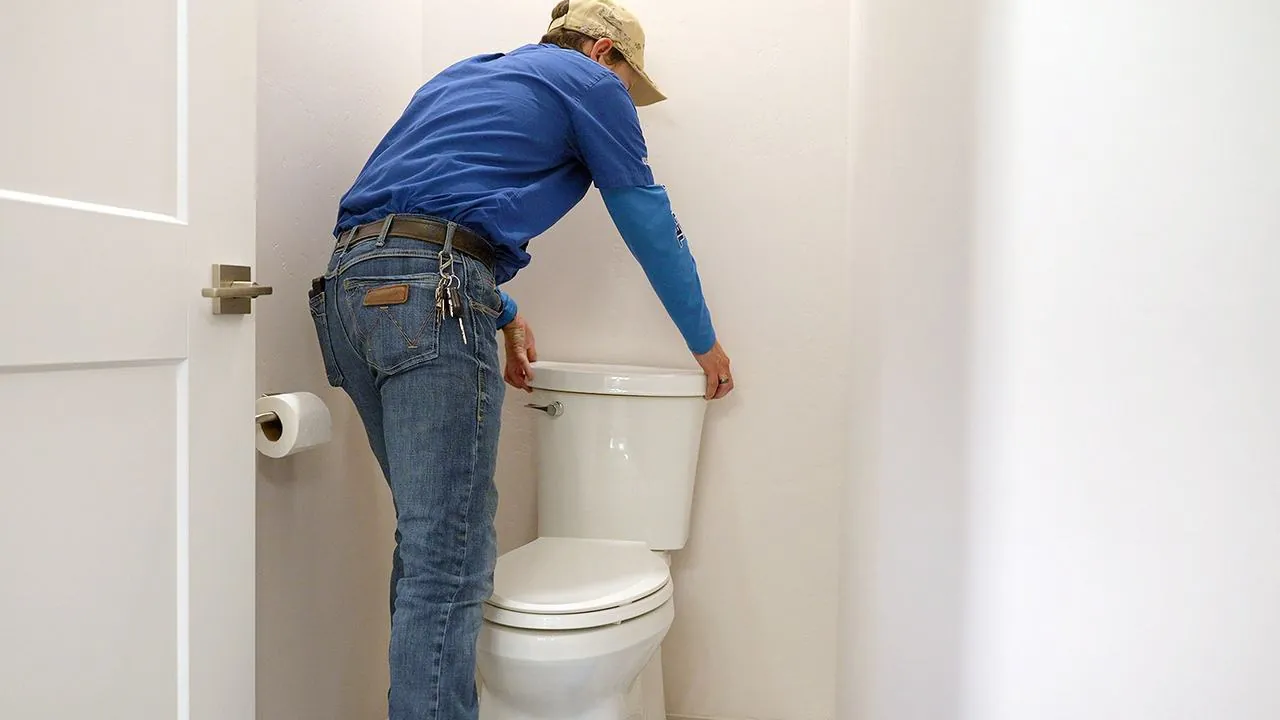
Running toilets waste hundreds of gallons monthly and signal mechanical failures. A failing flapper seal or flush valve is the most common culprit. Test this by adding food coloring to your tank. If colored water appears in the bowl without flushing, the flapper needs replacement.
Flapper chain length affects seal quality. Chains that are too short prevent complete closure. Chains that are too long interfere with sealing. Fill valve leaks occur when lifting the float arm during refilling fails to stop water flow. Stuck or corroded handles that remain down after flushing keep toilets running.
Weak flushes stem from mineral buildup restricting rim feed holes and jet passages. Water level positioned more than one inch below the overflow pipe reduces flush power. Flappers closing too early during the flush cycle prevent adequate water release.
Pipe Corrosion and Small Leaks
Discolored water ranging from yellow to brown indicates internal pipe rust. Metallic taste or unusual odors accompany corroded pipes as deteriorating materials mix with your water supply.
Water pressure weakens when rust accumulates inside pipe walls and blocks flow. Persistent clogs signal debris buildup from corroding interiors. Visible rusting on exposed fixtures warns that internal deterioration has progressed substantially. Small leaks multiply when corrosion weakens pipe walls and creates vulnerable spots prone to failure.
Water Heater Warning Signs
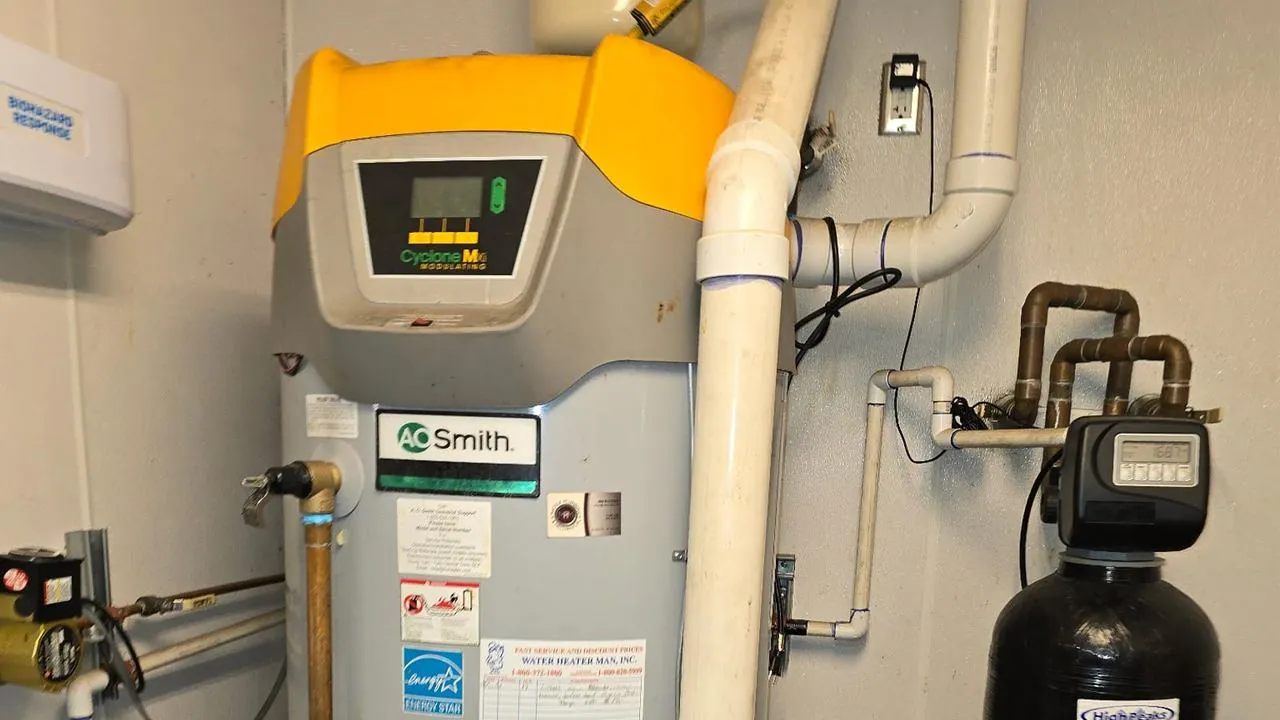
Water heaters last 10 to 15 years. Running out of hot water faster than usual signals sediment accumulation or failing heating elements. Inconsistent temperatures point to malfunctioning thermostats or worn components.
Popping, banging, or rumbling noises result from sediment hardening at the tank bottom. Leaks around the unit demand immediate attention, as even minor drips can escalate faster. Rising energy bills without usage changes indicate efficiency loss from sediment buildup or aging parts. Rusty or discolored hot water means the anode rod has failed or internal tank corrosion has begun.
Clogged Drain Lines Before They Back Up
Multiple slow drains at once indicate mainline blockages rather than isolated clogs. Gurgling sounds from toilets or drains signal trapped air from developing obstructions. When flushing toilets causes water to rise in sinks or bathtubs, your main sewer line has restricted flow.
Preventive Maintenance to Avoid Emergency Plumbing Problems
Structured maintenance prevents most emergency plumbing problems before they develop. A consistent schedule protects your system and extends your fixtures' and pipes' lifespan.
Regular Inspection Schedule for Pipes and Fixtures
Annual plumbing inspections catch potential issues early. Older homes may need more frequent checks. Professional plumbers check pipes for leaks or corrosion, check water pressure and assess fixture conditions.
Seasonal Winterization to Prevent Frozen Pipes
Pipes need protection before temperatures drop. Insulate exposed pipes in attics, garages and crawl spaces using foam sleeves or wrap. Disconnect and drain outdoor hoses, then shut off water supply to exterior faucets. Seal gaps around windows and doors near plumbing lines. Your thermostat should stay at 55°F minimum when you're away during winter.
Routine Drain Cleaning and Care
Drain strainers catch hair and debris before clogs form. Grease solidifies and creates stubborn blockages, so never pour it down drains. Hot water after each sink use washes away oils and soap residue. Professional drain inspection and cleaning once yearly identifies developing problems.
Water Heater Flushing and Maintenance
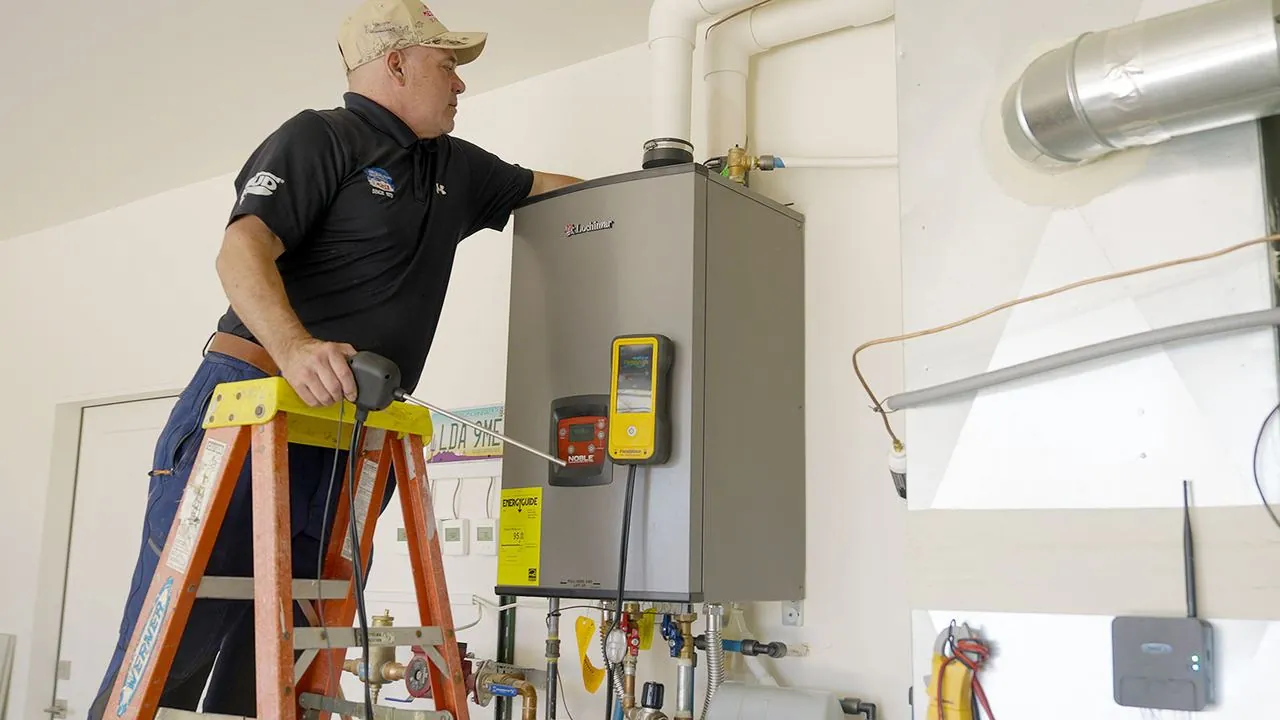
Tank water heaters need annual flushing to remove sediment buildup. Hard water areas require flushing every six months. Sediment reduces efficiency, clogs water lines and shortens the unit's lifespan. Annual maintenance should include testing the temperature and pressure relief valve and inspecting the sacrificial anode rod.
Installing Water Pressure Monitors
Water pressure gauges help spot problems before they cause damage. Monitors detect pressure that runs higher than pipes can handle and explain premature appliance failures. Gauges provide readings during inspections instead of guesswork.
What to Do When You Spot a Plumbing Problem
You've spotted a plumbing problem. That's just the first step. How you respond determines whether the issue stays manageable or turns into expensive damage.
Document the Issue with Photos and Notes
Photo documentation strengthens insurance claims and gives professionals clear records. Take wide shots that show the affected area and close-ups of visible damage. Capture any water stains or moisture. Write down when you first noticed the problem and any changes in severity. Include relevant details like affected fixtures or unusual sounds.
Perform Temporary Fixes Safely
Shut off the water before you attempt any temporary repair. Epoxy putty works well for short-term fixes on pinholes or hairline cracks. Leaks near electrical components pose serious safety risks. Shut off power to affected areas first. Temporary patches degrade over time and need professional replacement.
Know When DIY Solutions Are Appropriate
Minor drain clogs and fixture replacements suit homeowners with simple tools. Complex issues with main water lines, sewer systems, or gas lines need professional assistance. Uncertainty about your skill level gives you sufficient reason to contact help.
Understanding Your Home's Shut-Off Valves
Find your main shut-off valve. In local slab homes it's usually where the water line enters the house, often near the front hose bib, in the garage, or near the water heater. Turn the valve clockwise to stop water flow. Fixture-specific valves exist under sinks and behind toilets for isolated repairs.
Conclusion
Warning signs from your plumbing system appear long before problems turn into emergencies. Recognizing these signals early protects your home and budget. Water stains, pressure changes, unusual sounds and rising bills need attention before they escalate into costly disasters.
Preventive maintenance remains your strongest defense against emergency plumbing problems. Regular inspections, seasonal winterization and routine care extend your system's lifespan substantially. Professional intervention prevents minor concerns from spiraling out of control when issues arise beyond your expertise.
Nichols is ready to help with any of these problems. Your proactive approach today prevents tomorrow's emergencies.
Key Takeaways
Early detection of plumbing problems can save you from costly emergency repairs and prevent devastating water damage to your home.
- Watch for water stains, pressure changes, unusual sounds, and rising bills - these warning signs appear before major failures occur
- Schedule annual plumbing inspections and perform seasonal maintenance like winterizing pipes to prevent costly emergencies
- Address small leaks immediately - a minor drip can waste thousands of gallons a year and cause extensive structural damage
- Know your home's shut-off valves and document problems with photos before attempting any temporary fixes
- Call professionals for complex issues involving main lines, sewer systems, or when you're uncertain about DIY capabilities
Most plumbing emergencies give clear warning signs before they spiral out of control. By staying vigilant and acting quickly on early indicators, you can avoid the stress and expense of burst pipes, flooding, and extensive water damage that often result from neglected maintenance.
FAQs
Q1. What are the most common signs that indicate a serious plumbing issue? Common warning signs include unexplained water stains on ceilings or walls, sudden changes in water pressure, unusual sounds like banging or gurgling from pipes, rising water bills without increased usage, multiple slow drains throughout your home, and foul odors coming from drains or fixtures. Additionally, look for leaks, corrosion on fixtures, soft or warped flooring near water sources, and persistent musty smells that could indicate hidden moisture problems.
Q2. How much do plumbers typically charge for their services? Pricing depends on the job, the parts, and the time of day. Emergency plumbing services that occur outside normal business hours typically cost more than scheduled maintenance visits. Preventive maintenance and early repairs during regular hours are significantly more affordable than emergency calls.
Q3. Why don't plumbers recommend using baking soda and vinegar for drain clogs? While baking soda and vinegar may seem like an inexpensive and safe solution, most plumbers don't recommend this method for real drain problems because it doesn't actually remove the buildup that causes clogs. Professional drain cleaning methods are more effective at addressing the root cause of blockages and preventing future issues from developing.
Q4. How can I prevent plumbing emergencies before they happen? Schedule annual plumbing inspections to catch potential issues early, especially in older homes. Perform seasonal winterization by insulating exposed pipes, install drain strainers to catch debris, flush your water heater annually to remove sediment buildup, and monitor your water pressure regularly. Addressing small issues immediately prevents them from escalating into costly emergencies.
Q5. When should I call a professional plumber instead of attempting a DIY fix? Contact a professional plumber for complex issues involving main water lines, sewer systems, or gas lines. If you notice leaks near electrical components, multiple slow drains simultaneously, or problems you're uncertain how to fix safely, professional assistance is necessary. While minor drain clogs and simple fixture replacements may be suitable for DIY, uncertainty about your skill level is sufficient reason to seek expert help.