A burst pipe. A water heater that lets go at midnight. A washing machine line that fails during monsoon season when you're least prepared to deal with flooding. A water leak emergency moves fast — and the decisions you make in the first ten minutes have an outsized effect on how much damage you end up with.
This guide gives you the exact steps to take from the moment you discover the leak to the moment a licensed plumber walks through your door. Read it now, while you don't need it, so it's already in your head when you do.
Step 1 — Shut Off the Water Immediately
This is the single most important action you can take. Everything else — containing water, documenting damage, applying temporary fixes — is secondary to stopping the flow at its source.
Find Your Main Shutoff Valve Now
In many homes throughout Cottonwood, Prescott, and the Verde Valley, the main shutoff valve is located outside. Look for a covered concrete box near the property line, a valve on an exterior wall near a hose bib, or — in some cases — a shutoff near the water meter itself. If you've never located yours, do it this weekend before you need it under pressure.
There are two common valve types. Gate valves have a round wheel handle that requires several clockwise turns to fully close. Ball valves have a lever handle and shut off with a single quarter-turn clockwise rotation. After closing the main valve, open a faucet inside the home to relieve pressure still in the pipes.
Use Fixture-Level Shutoffs for Isolated Leaks
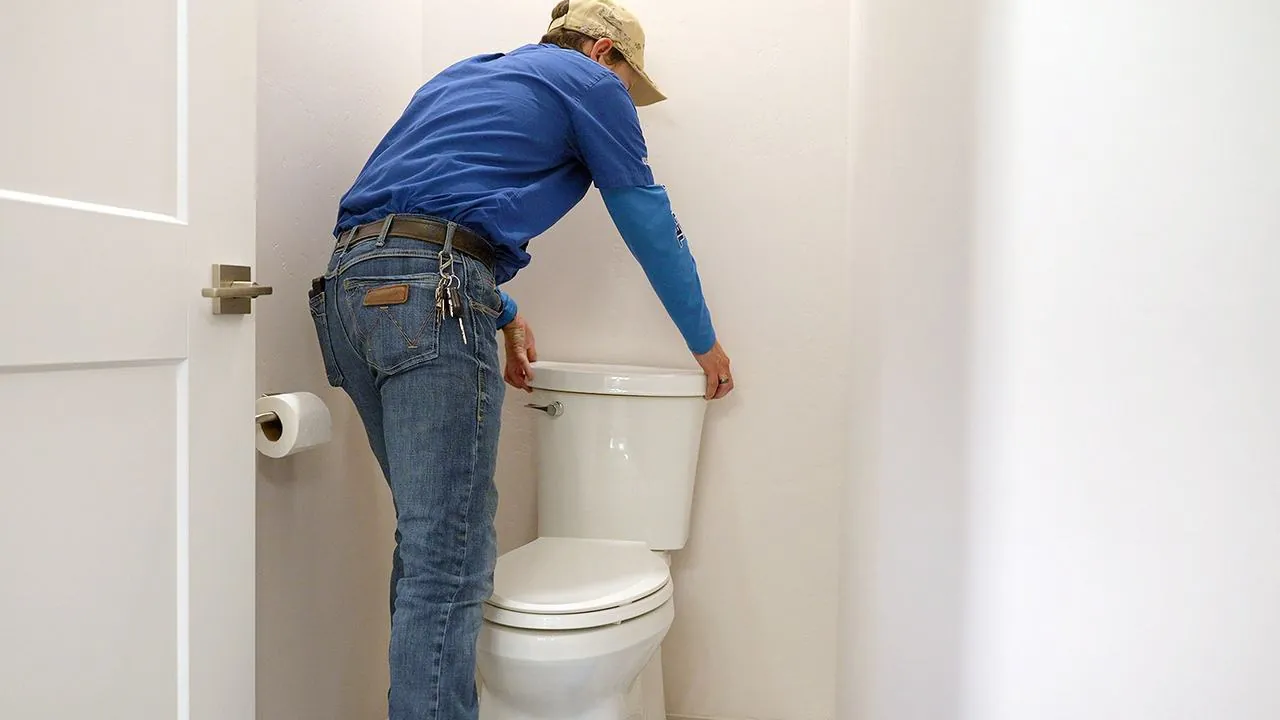
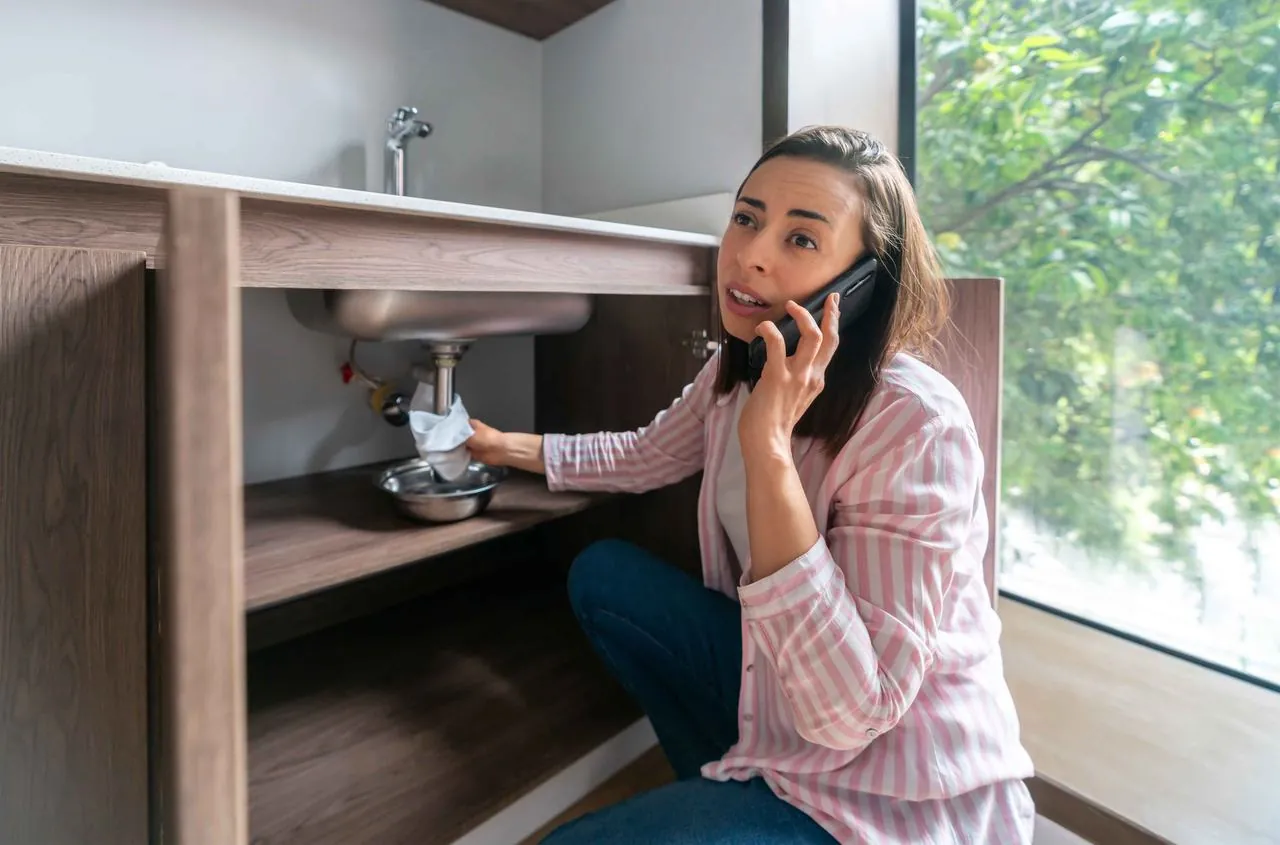
If the leak is clearly isolated to one fixture, use that fixture's individual shutoff instead of cutting water to the whole house. Each toilet has a shutoff on the wall near its base. Sinks have two valves under the cabinet — one hot, one cold. Washing machines connect to shutoffs on the wall behind the unit. The dishwasher shutoff is typically under the kitchen sink on the hot water supply line. These let you stop the affected area while the rest of the house stays running.
Step 2 — Protect Your Water Heater
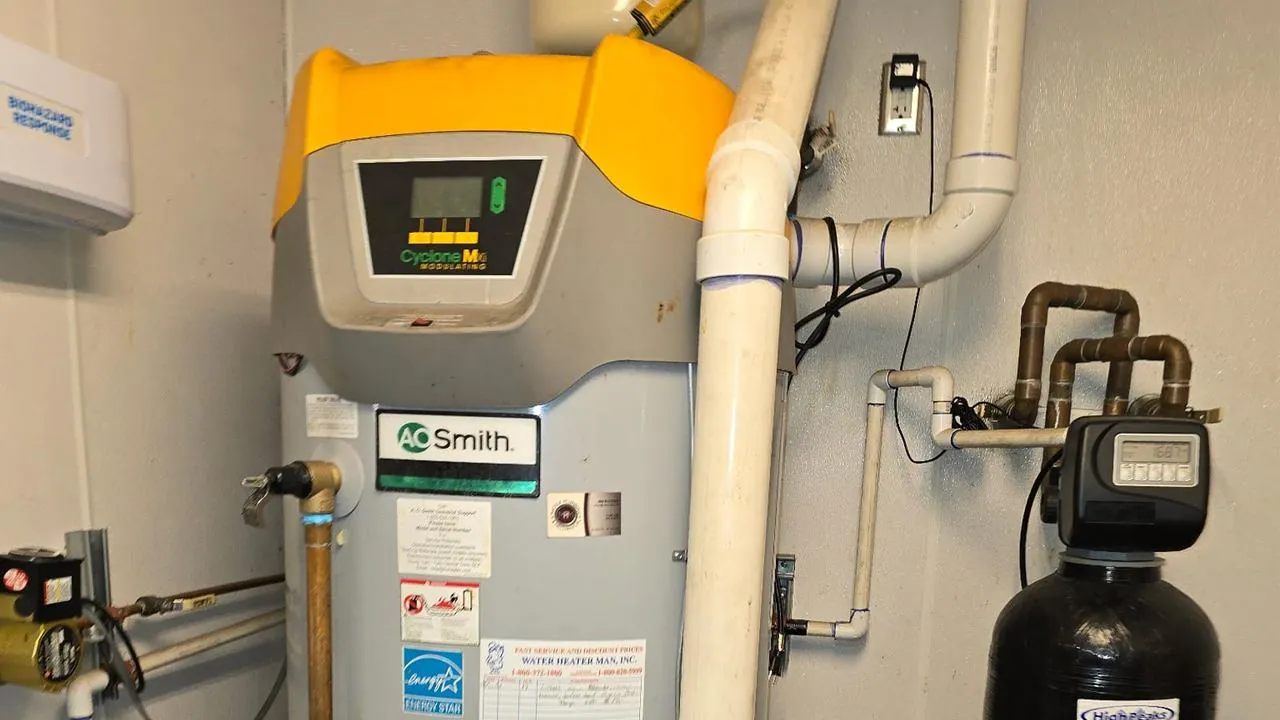
If you've shut off the main water supply, the water heater needs to come off too — and in that order. Running a water heater without water in the tank damages the heating elements on electric units and can cause problems with gas units as well.
- Electric water heater Flip the circuit breaker labeled for the water heater at your electrical panel. Then close the cold water shutoff valve on the pipe entering the top of the tank. Do this any time the main water is off for more than a few minutes.
- Gas water heater Turn the gas supply valve to the off position — it's typically near the base of the tank. Then close the cold water shutoff valve at the top of the unit. If you smell gas rather than just a water leak, leave the home immediately, then call the gas utility or 911 from outside.
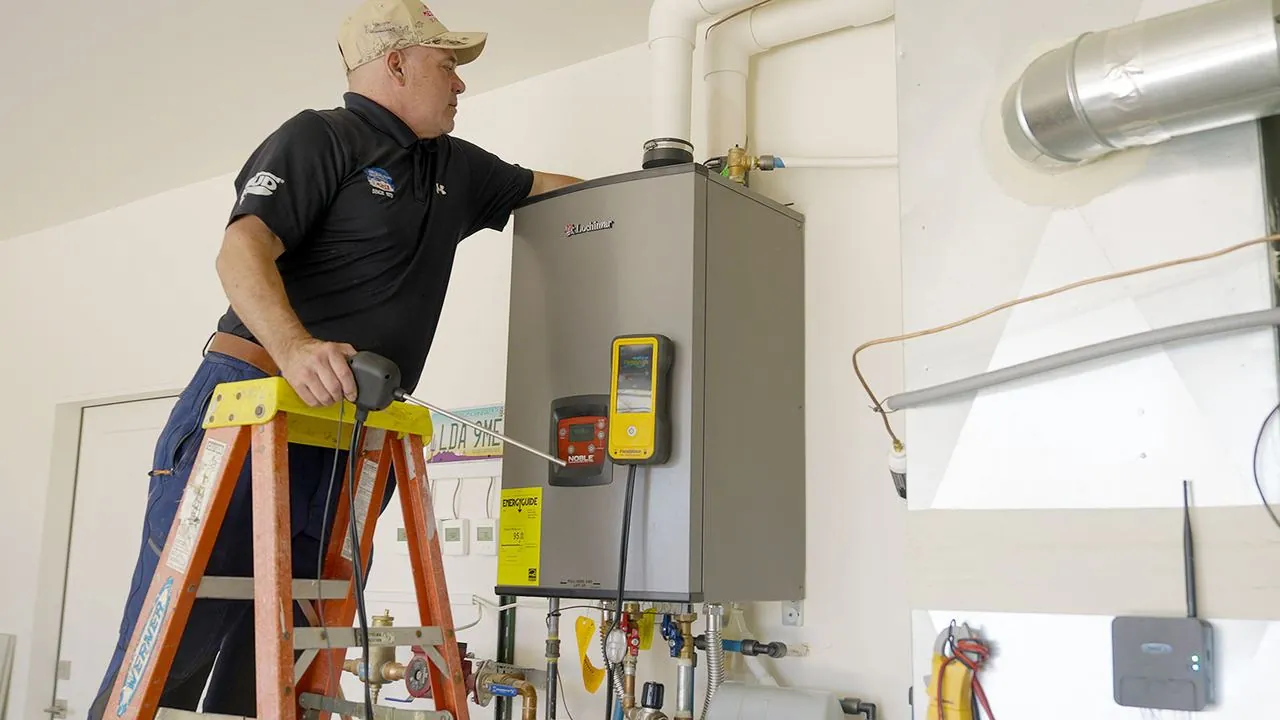
If your water heater is the source of the leak itself, see our water heater service page — Nichols handles tank and tankless water heater repairs throughout the Verde Valley.
Step 3 — Contain the Water & Protect the Space
Once the water is off, your job shifts to damage control. Water that has already escaped will keep spreading unless you actively manage it.
- 1
Get buckets under active drips
Place buckets directly beneath any active drip points. For leaks in tight spaces where a bucket won't fit, wrap a cotton cloth or paper towels around the pipe at the leak and run the end into a bucket — water will travel along the material rather than dripping onto the floor or into a wall cavity.
- 2
Address ceiling bulges carefully
A bulging or sagging ceiling has water pooling above it. Poking a small hole at the center of the bulge creates one controlled release point rather than risking the ceiling collapsing under the weight. Have a bucket ready before you do it.
- 3
Remove standing water
Use mops and towels to pull up as much standing water as possible. Get at least one large fan running immediately to encourage evaporation. A dehumidifier in the affected room will help if you have one. Do not leave soaked towels sitting on hardwood floors — they accelerate warping and should be wrung out frequently or replaced.
- 4
Move furniture and valuables
Pull furniture away from standing water as soon as it's safe to do so. Place aluminum foil or wood blocks under furniture legs sitting on wet carpet to prevent absorption into the upholstery base. Move documents, computers, and any irreplaceable items to a dry area or upper floor. Upholstered cushions should come off and be propped up separately to dry evenly.
Step 4 — Address Electrical Hazards
Water and electricity together are a life-safety issue. This section is not optional.
- Stay out of wet areas near outlets or switches If water has reached any area with electrical outlets, light switches, or equipment, keep out until the circuit is confirmed off. Do not touch any electrical device with wet hands or while standing in water.
- Turn off breakers for affected zones If you can reach your electrical panel without stepping through standing water, switch off the circuit breakers for any rooms or areas that have water intrusion. When in doubt, shut off the main breaker.
- Never use a household vacuum on standing water Standard household vacuums are not rated for wet use and create a serious electrocution risk. Use mops, towels, and a wet/dry shop vac rated for liquid if you have one.
- Evacuate if you see these warning signs Burning smell, buzzing sounds from outlets, sparks, visible moisture near electrical panels, or repeatedly tripping breakers are all reasons to leave the building and call both an emergency plumber and an electrician before re-entering.
Rule of thumb: If water has reached a ceiling fixture, stay out of that room until the power to that circuit is confirmed off. Wet ceiling fixtures can fail without warning. Distance is the safest position.
Step 5 — Document Everything Before Cleanup
Before you start mopping in earnest, spend five minutes with your phone. This documentation is the foundation of any insurance claim.
Temporary Fixes While You Wait for a Plumber
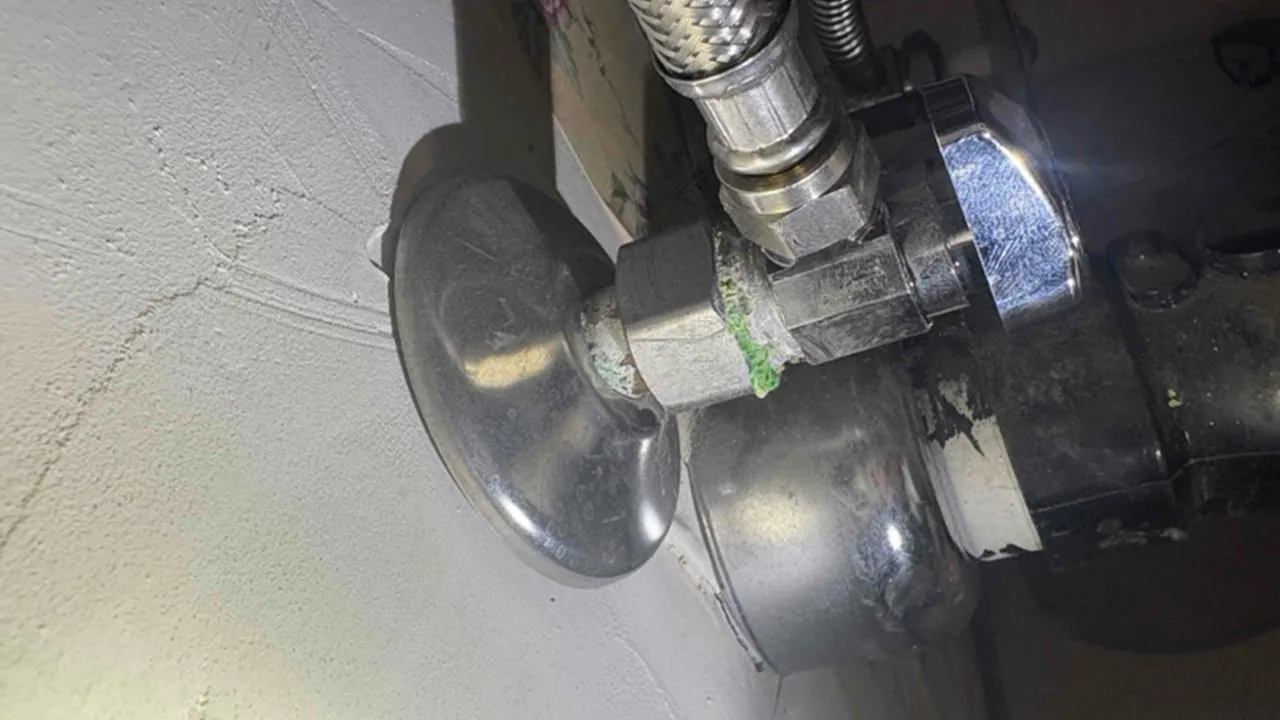
These repairs buy time — they are not permanent solutions. Use them to reduce active water loss while the plumber is on the way, not as a substitute for professional plumbing repair.
Plumber's Tape on Threaded Joints
Plumber's tape (also called Teflon tape) creates a watertight seal on threaded pipe connections. Dry the threads first, then wrap the tape clockwise around the male threads — two to three wraps for thicker tape, four to five for thinner options. Keep the tape taut as you wrap. This only works on threaded joints, not on mid-pipe cracks or pinhole leaks.
Pipe Repair Clamps
Pipe repair clamps have a rubber gasket that seats over the leak point. Tighten the clamp around the pipe until the gasket compresses against the pipe wall. Quality clamps are rated for household water pressure and work on metal, plastic, and multilayer pipe. Some can be applied while the leak is still flowing. Keep a few sizes on hand — they're inexpensive and available at any hardware store.
Turn Off Water-Using Appliances
While you're dealing with the emergency, switch off the dishwasher, washing machine, and any other water-dependent appliances. This reduces demand on the system and eliminates the risk of an appliance-level issue compounding the original problem.
- Never use chemical drain cleaners during a water leak emergency These products corrode pipes, release toxic fumes, create burn risks on skin contact, and do nothing to stop an active leak. They can make the underlying pipe condition significantly worse. Set them aside entirely until the emergency is resolved.
Emergency Repair Kit: What to Keep on Hand
Having the right supplies already in the garage means you're not driving to the hardware store with water spreading across your floor. This kit costs very little and can make the difference between a manageable situation and a worse one.
🧰 Recommended Emergency Plumbing Kit
Annual Maintenance Prevents Most Emergencies
The majority of burst pipes and catastrophic leaks don't happen without warning — they develop slowly from corrosion, pressure buildup, or aging connections that were never inspected. An annual plumbing check by a licensed technician catches these before they fail. Nichols offers maintenance plans that include plumbing system inspections on a scheduled basis for homeowners throughout Cottonwood, Prescott, Clarkdale, Cornville, Camp Verde, and Sedona.
If slow drains or unusual gurgling have been part of the background noise in your home, those are early warning signs worth addressing. Our drain cleaning and hydro jetting services clear the buildup that, left unaddressed, eventually causes the kind of failure that sends you scrambling for a shutoff valve at 2 a.m.
When you call Nichols for a plumbing emergency, have this information ready: when you first noticed the problem, whether it came on suddenly or gradually, any prior repair attempts, whether you've shut off the water and water heater, and any unusual sounds or odors associated with the leak. The more detail you can provide, the better equipped the technician will be before they arrive.
Nichols Plumbing, Electrical, & HVAC offers 24/7 emergency plumbing repair service for burst pipes, severe leaks, water line failures, and active water damage situations throughout Cottonwood, Prescott, Camp Verde, Sedona, Chino Valley, Clarkdale, and Cornville. All work is backed by a 100% satisfaction guarantee.
Dealing with a Water Leak Right Now?
Nichols Plumbing, Electrical, & HVAC provides 24/7 emergency plumbing support across Cottonwood, Prescott, Camp Verde, Sedona, and the Verde Valley. Don't wait — call or request service online.
Request Emergency Service