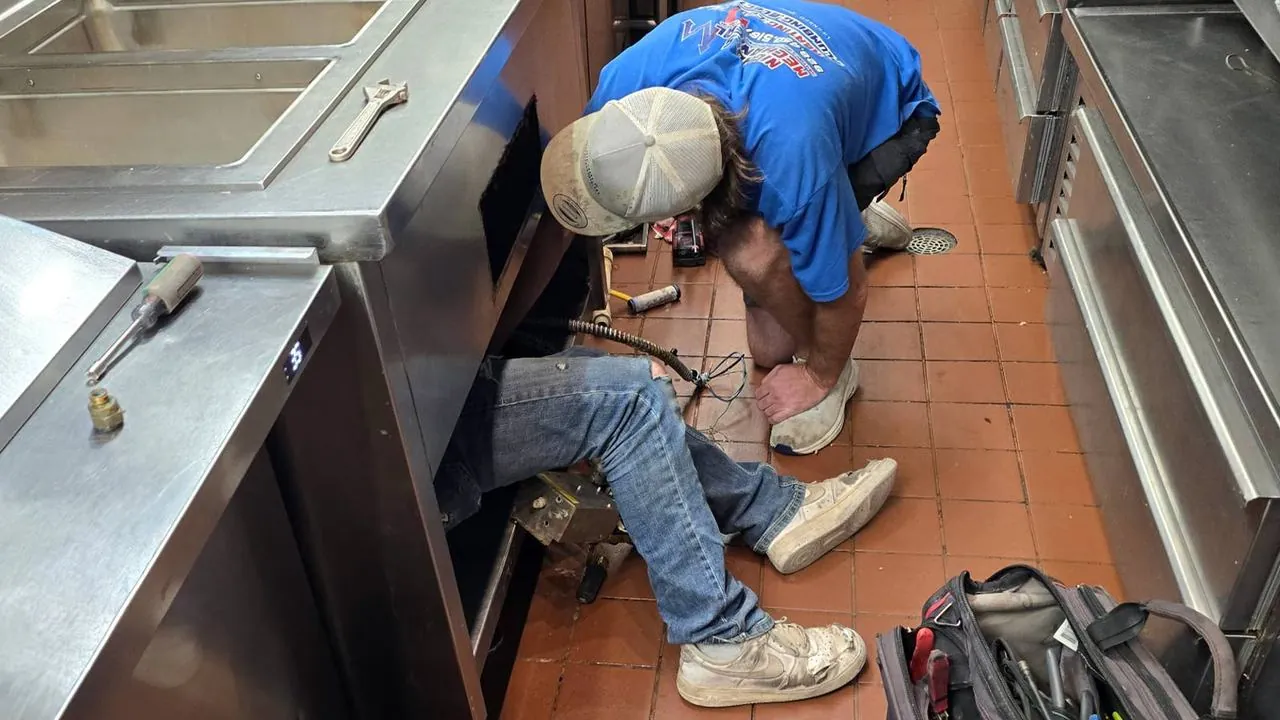
For most Arizona business owners and property managers, backflow testing lands in the same bucket as a fire inspection or an elevator certificate: a recurring compliance requirement that is easy to overlook until a notice shows up, or worse, until service is threatened. It is not busywork. Backflow testing protects the public drinking water supply from contamination, and Arizona law requires it on an annual basis for most commercial properties. This guide breaks down what backflow is, what the state requires, and how to keep your property in the clear.
What Is Backflow, and Why Does It Matter?
Backflow is exactly what it sounds like: water flowing the wrong direction through your plumbing. Normally, water moves from the public main into your building. But a sudden pressure change, a water main break, heavy demand from firefighting, or a pump can reverse that flow and pull water back toward the main. If that reversed water has picked up contaminants along the way, from irrigation lines, boilers, chemical equipment, or process water, those contaminants can be drawn into the clean public supply.
The point where clean and potentially dirty water can meet is called a cross-connection, and a backflow-prevention assembly is the mechanical safeguard installed to stop reversal from happening. Because these assemblies have internal seals and check valves that wear over time, they cannot just be installed and forgotten. They have to be tested to confirm they still work, which is where the annual requirement comes in.
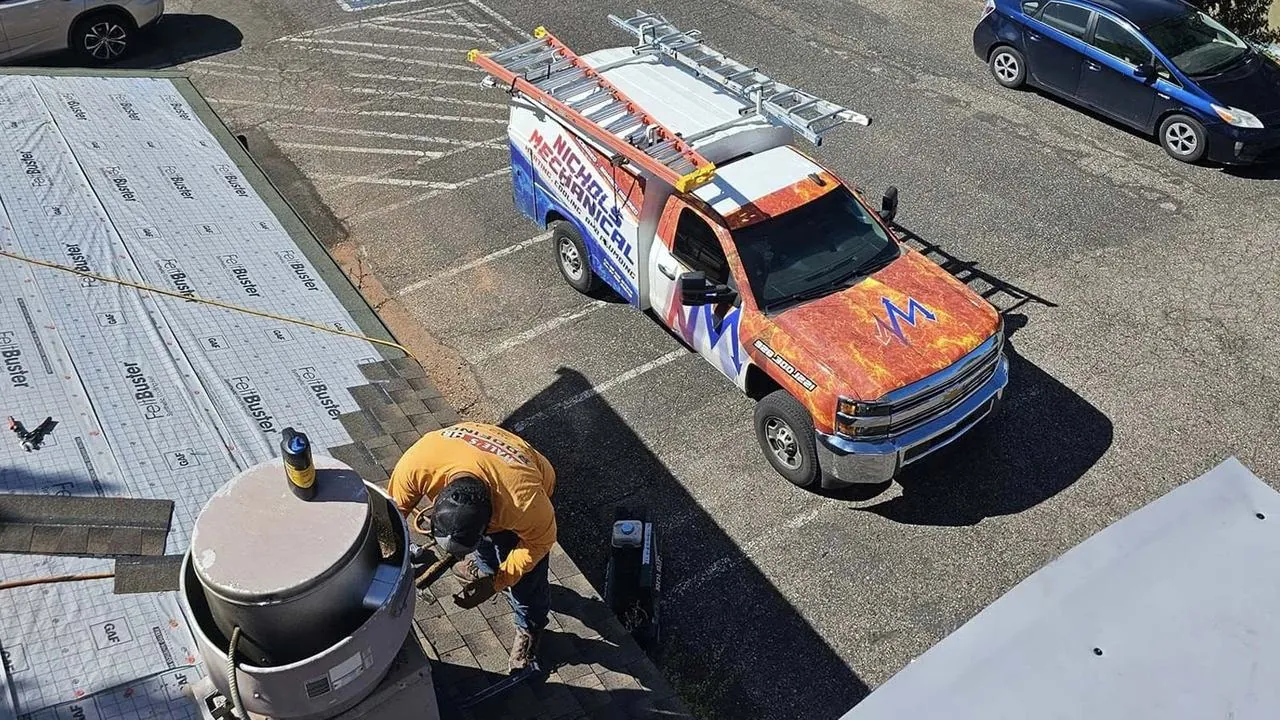
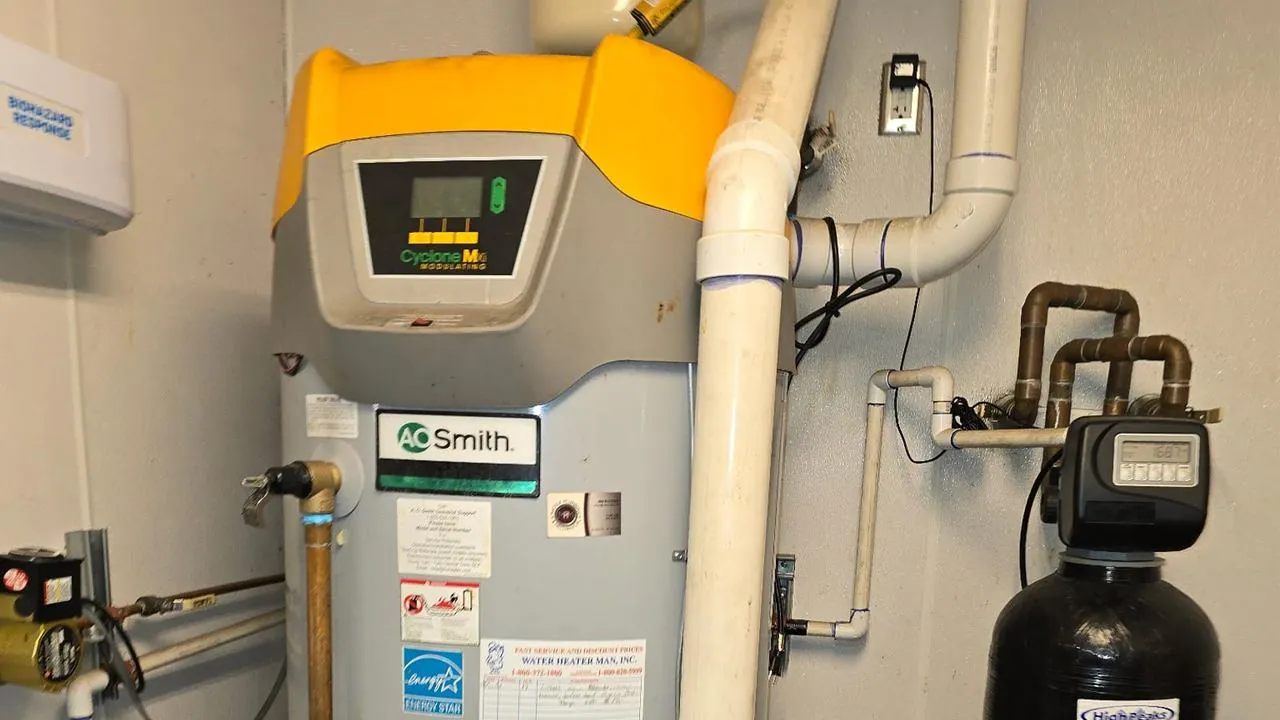
Commercial properties often have several cross-connections, from irrigation and fire lines to process equipment, each a potential point where backflow protection is required.
Arizona's Backflow Testing Requirements
Arizona's rules for backflow prevention and cross-connection control are set in the state Administrative Code, specifically A.A.C. R18-4-215, and enforced through the local water providers that deliver your water. A few requirements matter most for commercial property owners:
- Annual testing. Every required backflow-prevention assembly must be tested at least once a year to confirm it is still functioning correctly.
- Testing after any change. An assembly also has to be tested whenever it is newly installed, relocated, or repaired, not just on the yearly cycle.
- A certified tester only. Testing must be done by someone holding a General Backflow Tester certification from an ADEQ-approved authority such as ABPA, ASSE, or AWWA, using calibrated equipment.
- Owner responsibility. The assembly is owned and maintained by the property owner, so keeping it tested and documented falls on you, not the water provider.
- Results on file. The certified tester submits the test report to your water provider, and it is smart to keep your own copies as well.
In plain terms: if your commercial property has a backflow assembly, it needs a certified test every year, and the paperwork needs to reach your water provider. The provider tracks who is due and typically mails a notice, but the legal obligation to get it done sits with the property owner.
Which Commercial Properties Need Backflow Testing?
The short answer is any property with a cross-connection that could contaminate the public supply, which covers a large share of commercial sites. Common examples across the Verde Valley and Prescott area include:
- Buildings with irrigation or landscape sprinkler systems, where fertilizers and pesticides create a hazard
- Properties with fire suppression and sprinkler systems, where standing water sits in the lines
- Restaurants, cafes, and other food-service operations
- Medical, dental, and veterinary offices
- Salons, car washes, and laundromats
- Industrial and process facilities using boilers, chemicals, or specialized equipment
- Many multi-family, retail, hospitality, and office properties
If you are not sure whether a given assembly on your property is a required, testable device, that is a normal question, and a good reason to have a commercial plumber walk the site. Nichols provides commercial plumbing services and can help you identify which assemblies apply to your building.
Types of Backflow Prevention Assemblies
Not every property needs the same device. The assembly required depends on the hazard level of the cross-connection, and they range from simple physical separations to complex, high-protection valves. Here are the ones you are most likely to encounter on a commercial site.
| Assembly | Protection Level | Common Commercial Uses |
|---|---|---|
| Air Gap | Highest (physical) | Where a permanent vertical separation is possible; no moving parts |
| Reduced Pressure (RP / RPZ) | Highest testable | High-hazard: chemical, medical, industrial, treated irrigation |
| Double Check (DCVA) | Moderate | Lower-hazard: office and retail buildings, some fire lines |
| Pressure Vacuum Breaker (PVB) | Back-siphonage | Irrigation and landscape sprinkler systems |
An air gap is a physical separation rather than a device, so it does not require testing. Testable assemblies (RP, DCVA, PVB and similar) are the ones subject to the annual requirement.
Choosing and sizing the right assembly is a job for a licensed professional, because the wrong device either fails to protect against your actual hazard or creates unnecessary maintenance. If an assembly on your property is aging or has failed, replacement is part of the plumbing repair work a commercial plumber handles.
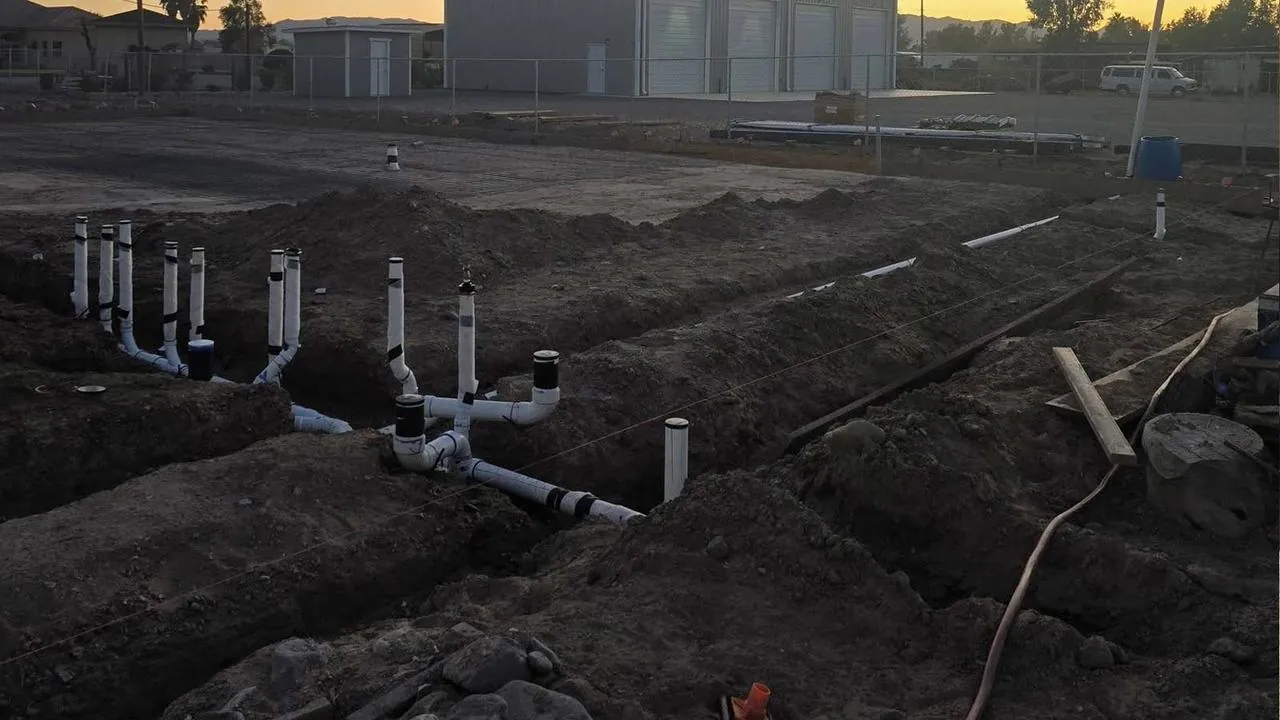
The right assembly depends on your property's hazard level, so device selection and installation are best handled by a licensed commercial plumber.
What the Testing Process Looks Like
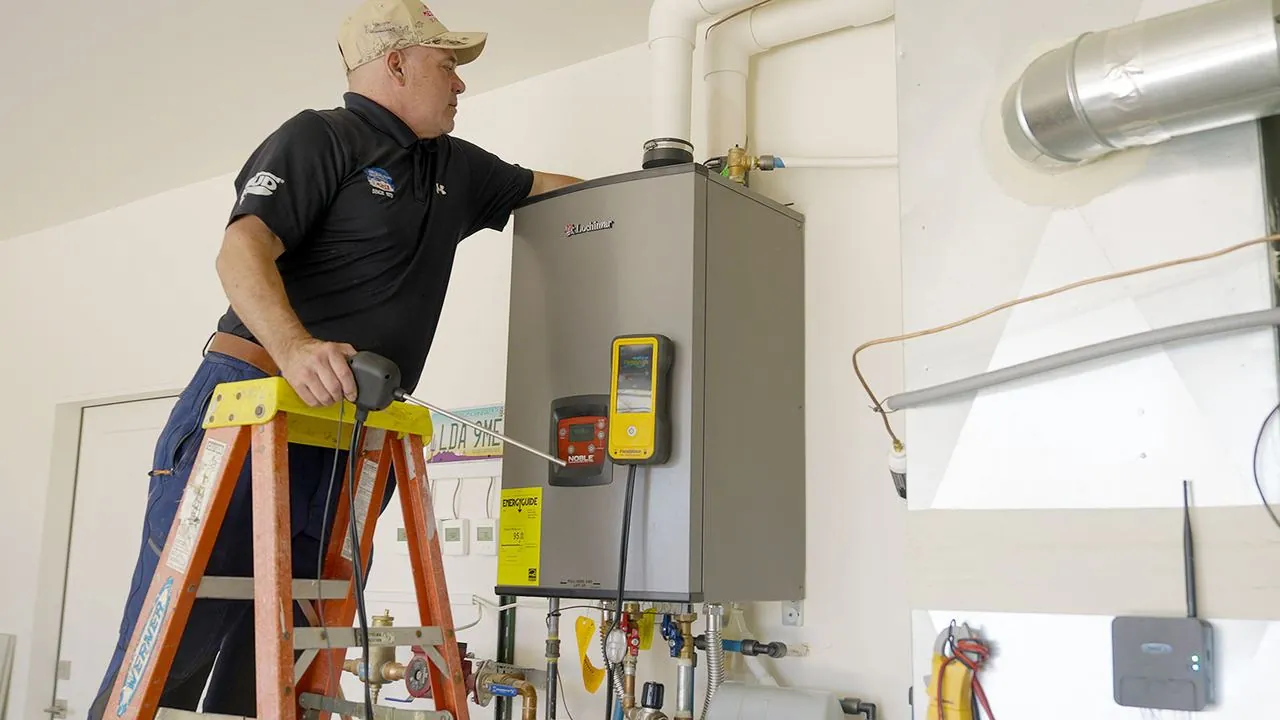
The test itself is quick and non-invasive. A certified tester connects a calibrated gauge to the assembly and checks that the internal check valves and relief components hold pressure and operate the way they should. For a typical assembly, the actual test takes only a few minutes, though larger or harder-to-access setups take longer. Water service is briefly interrupted at that connection during the test, so it is worth scheduling around your business hours.
When the test passes, the tester documents the results and submits the report to your water provider within the provider's required timeframe, commonly somewhere between ten and thirty days depending on who serves your property. When the test fails, the assembly needs repair or replacement and a retest, which we cover next. Pairing backflow testing with your other recurring plumbing needs, through a maintenance plan, is an easy way to keep it from slipping through the cracks year to year.
What Happens If You Fail or Miss a Test
A failed test is common and usually fixable. Worn seals, debris, or a stuck check valve are typical culprits, and many issues can be cleaned or repaired quickly, sometimes on the same visit. Once repaired, the assembly is retested to confirm it passes, generally within a short window your water provider specifies. The key is to act promptly, because a failed device means your water supply is unprotected in the meantime.
Missing a required test altogether is the bigger risk. Falling out of compliance with your provider's cross-connection control program can trigger escalating notices and penalties, and providers ultimately have the authority to disconnect water service until the property is brought back into compliance. For a restaurant, medical office, or any business that depends on running water, a shutoff is far more disruptive and expensive than the routine test would ever have been. Staying on the annual schedule is simply good risk management.
Deadlines vary by water provider, so verify yours
Every water provider runs its own cross-connection control program with its own submission methods and deadlines. City systems like Cottonwood and Prescott administer their programs directly, while private utilities such as Arizona Water Company, which serves parts of the region including Sedona, set their own rules. Confirm the requirements with the provider that serves your address, or let a commercial plumbing partner coordinate it. Request commercial service with Nichols to get started.
Staying Compliant Across the Verde Valley and Prescott Area
Because Nichols works throughout northern Arizona, we see how the details shift from one jurisdiction to the next. A property on Prescott or Prescott Valley city water follows that city's water protection program, while a business in Sedona or on Arizona Water Company service answers to a different set of notices and deadlines, and a site in Chino Valley may differ again. The underlying state requirement is the same, but the paperwork and timing are local.
The simplest way to stay compliant is to treat backflow testing as a standing annual task, keep a record of every assembly on your property and when it was last tested, and work with a commercial plumbing team that understands local requirements. Nichols delivers commercial plumbing across the region, including backflow prevention, grease trap installations, large-scale pipe repair, drain and hydro jetting service, and routine drain cleaning for retail, hospitality, industrial, and office facilities, with an eye toward compliance and minimal downtime.
As a family-owned, triple-licensed contractor, we handle commercial work the way we handle everything: straightforwardly and done right. You can learn more about our team, and when you are ready, reach out to talk through your property's backflow assemblies and schedule.
Keep Your Property Compliant
Talk to Nichols about your commercial backflow assemblies and plumbing. We will help you understand what your property needs and keep you on schedule.
Request Service Online