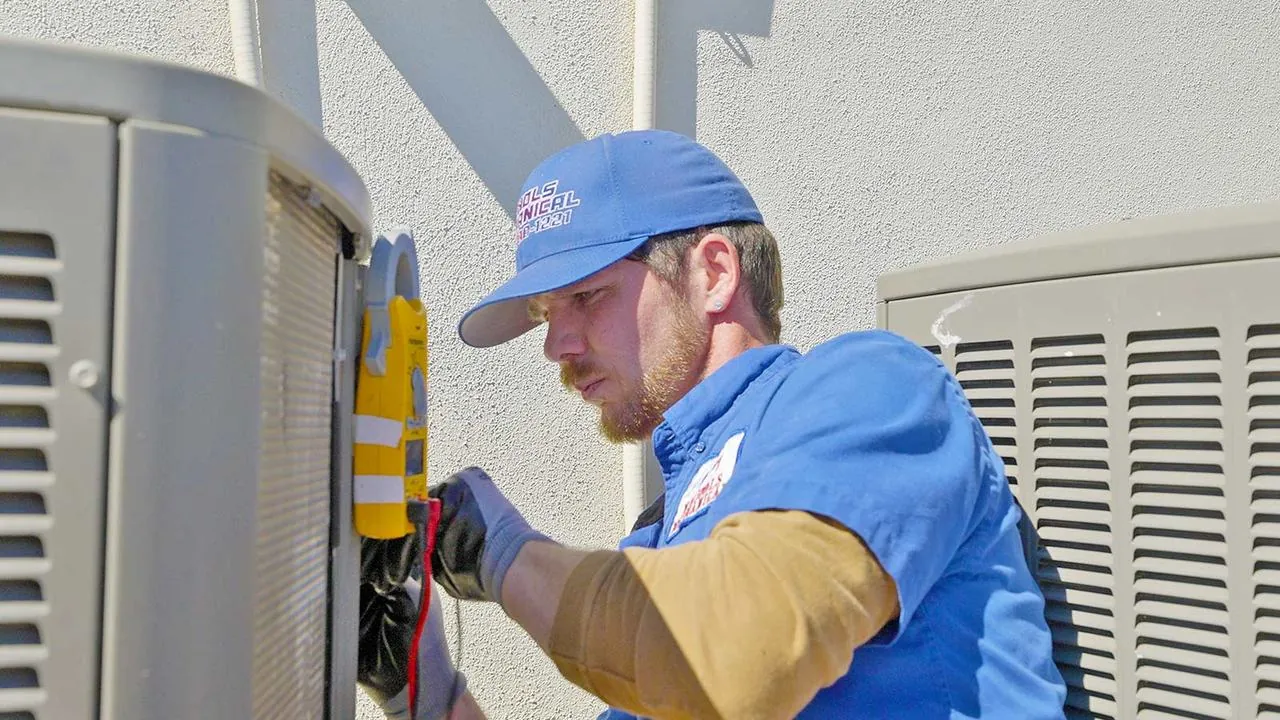
When summer settles into Cottonwood, Arizona, your air conditioner stops being a luxury and becomes the single most important appliance in your home. With summer highs in the upper 90s that can top 100 degrees from June through August, and the high desert sun beating down relentlessly on rooftops across the Verde Valley, your AC system works harder here than it would in most climates.
At Nichols Plumbing, Electrical, & HVAC, we've spent years helping homeowners throughout Cottonwood, Sedona, Camp Verde, and the surrounding communities keep their cooling systems running efficiently when the mercury rises. We've seen firsthand how the unique combination of high elevation, intense UV exposure, dust, and dramatic temperature swings between day and night can take a toll on even the best-maintained units.
The truth is that air conditioning in our region requires a different approach than what works in cooler or more humid climates. Homeowners who simply install a system and forget about it until something breaks down often find themselves facing emergency repair calls during the hottest weeks of the year, when technicians are booked solid and parts can be in short supply.
Whether you're a longtime resident who knows exactly what August feels like in the Verde Valley or a newcomer just beginning to understand the demands of high desert living, this comprehensive guide will walk you through everything you need to know about keeping your home cool, your energy bills manageable, and your AC system running reliably for years to come.
From routine maintenance tips to signs that signal a serious problem, we'll cover the practical knowledge every Cottonwood homeowner should have before the next heat wave arrives.
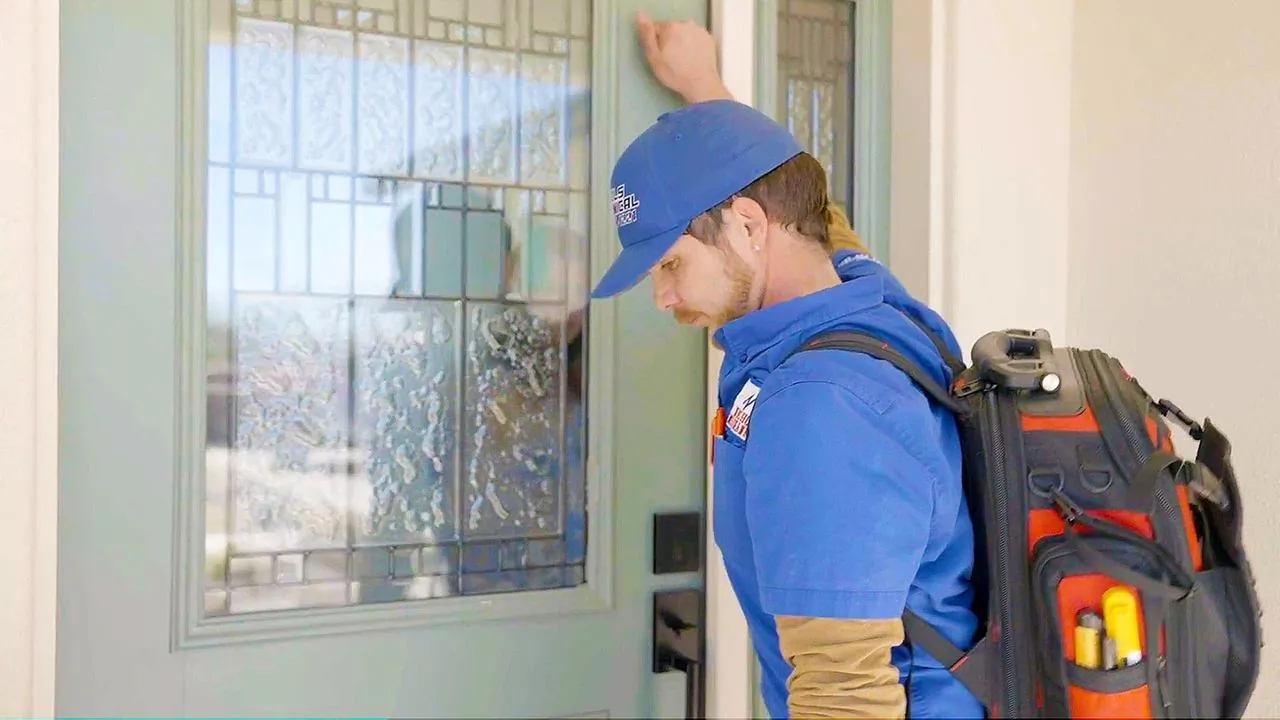
Why Cottonwood's Climate Demands Special Attention for Your AC
Cottonwood sits at roughly 3,300 feet of elevation in the heart of the Verde Valley, and that high-desert setting creates its own challenges for air conditioning systems. The intense ultraviolet radiation that comes with our sunshine accelerates wear on outdoor condenser units and breaks down line insulation, seals and gaskets faster than manufacturers typically anticipate.
Dust is another factor that sets our area apart. Fine desert dust and seasonal monsoon winds that sweep through the Verde Valley deposit a remarkable amount of debris on outdoor units, clogging condenser coils and forcing systems to work harder to dissipate heat. We've pulled units apart that looked clean on the outside but were so packed with accumulated dust internally that airflow was badly restricted.
Then there's the matter of monsoon season, which typically runs from July through September. The sudden shift from extremely dry conditions to humid, stormy weather puts thermal stress on AC components, and lightning strikes during summer storms can damage the sensitive electronics in modern units. Cottonwood also experiences significant temperature swings between day and night, sometimes 30 degrees or more, which causes expansion and contraction in ductwork and metal components that loosens connections over time.
Understanding these climate factors is the first step toward protecting your investment and ensuring reliable cooling. A system that might last 15 to 20 years in a milder climate typically lasts about 10 to 15 years here, which makes proactive maintenance and informed homeownership absolutely essential for anyone living in the Verde Valley.
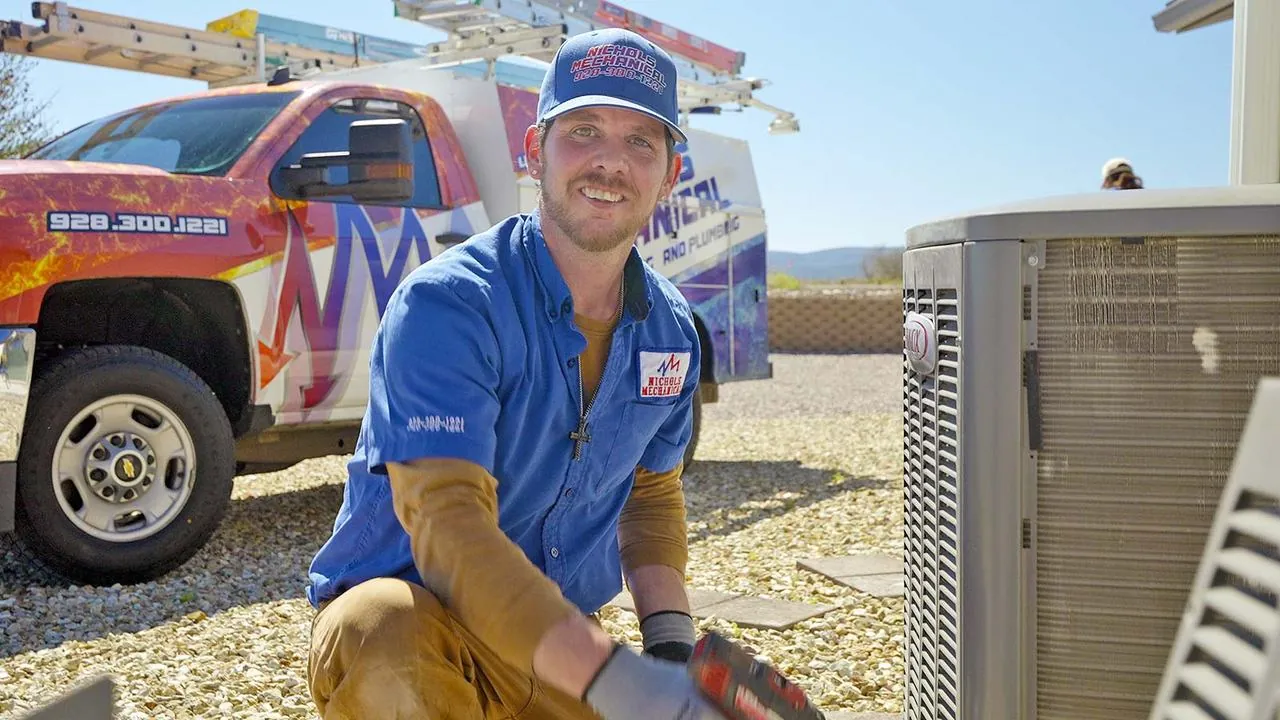
Essential AC Maintenance Tasks Every Cottonwood Homeowner Should Know
Keeping your air conditioner running smoothly through Cottonwood's punishing summers requires consistent attention to several key maintenance tasks. Some of these you can handle yourself, while others should be left to licensed HVAC professionals. Here's what we recommend every homeowner in the Verde Valley stay on top of throughout the cooling season:
- Replace air filters every 30 to 60 days during peak season. Our dusty conditions clog filters far faster than the manufacturer's recommended schedule suggests. A clogged filter restricts airflow, forces your system to work harder, and dramatically reduces efficiency while increasing wear on critical components.
- Clear vegetation and debris from around your outdoor condenser. Maintain at least two feet of clearance on all sides of the unit, and never let bushes, trash bins, or stored items block airflow. Hose down the condenser fins gently every few weeks to remove accumulated dust, but turn off power to the unit first.
- Inspect and clean condensate drain lines monthly. Algae and mineral buildup can clog these lines, causing water backup, ceiling damage, and automatic system shutoffs. A simple flush with diluted vinegar can prevent expensive water damage.
- Check thermostat batteries and calibration twice yearly. A failing thermostat can cause your system to short-cycle or run continuously, both of which damage components and inflate energy bills.
- Listen for unusual sounds and watch for warning signs. Grinding, squealing, hissing, or rattling noises typically indicate problems that will worsen if ignored. Catch these early and repairs stay affordable.
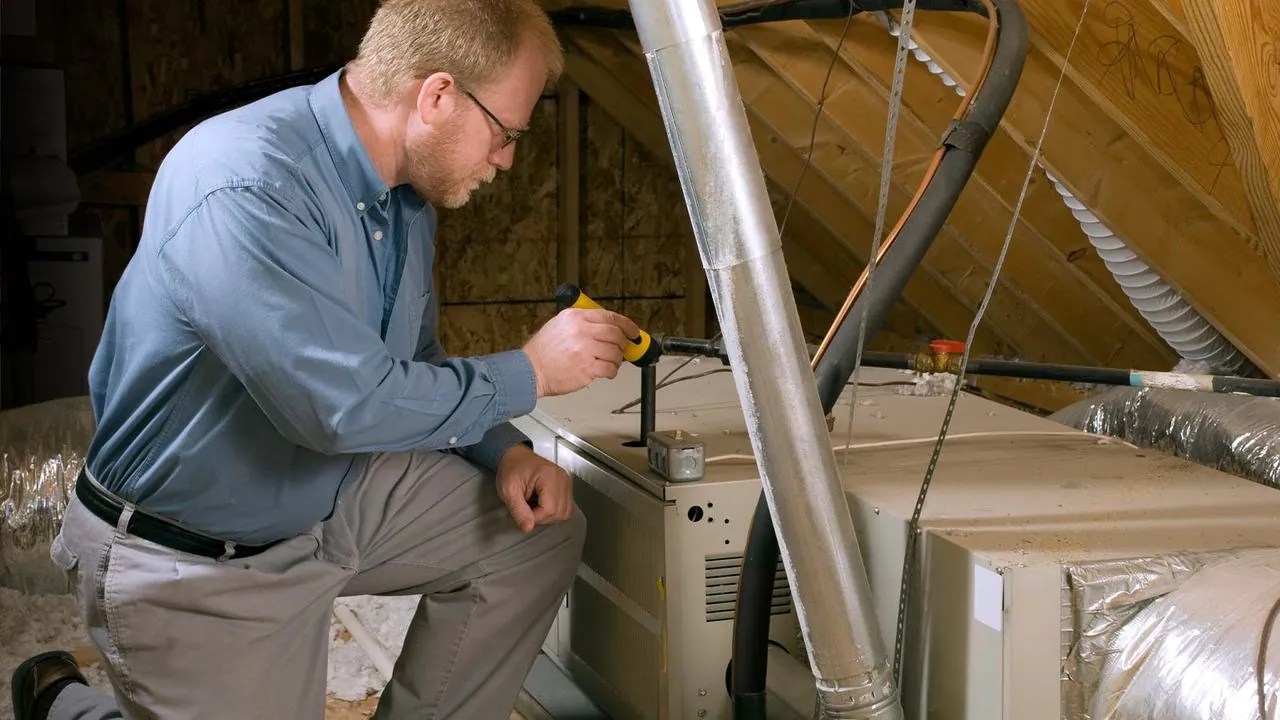
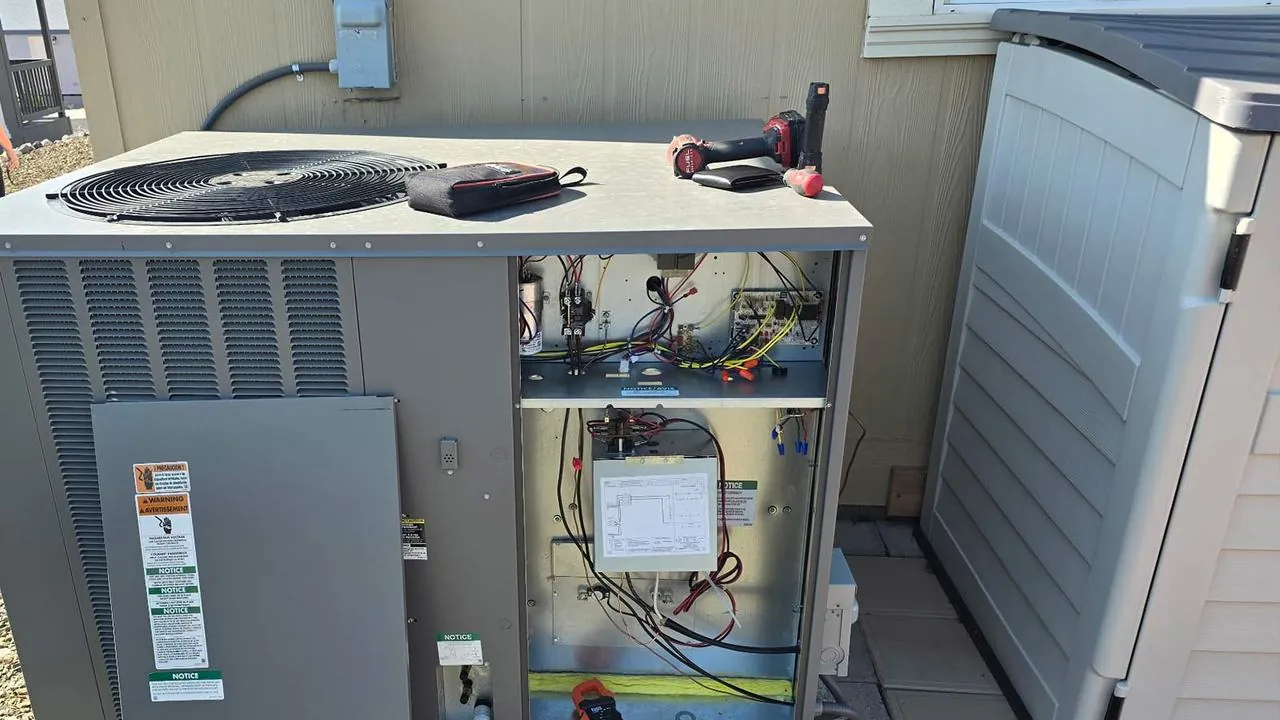
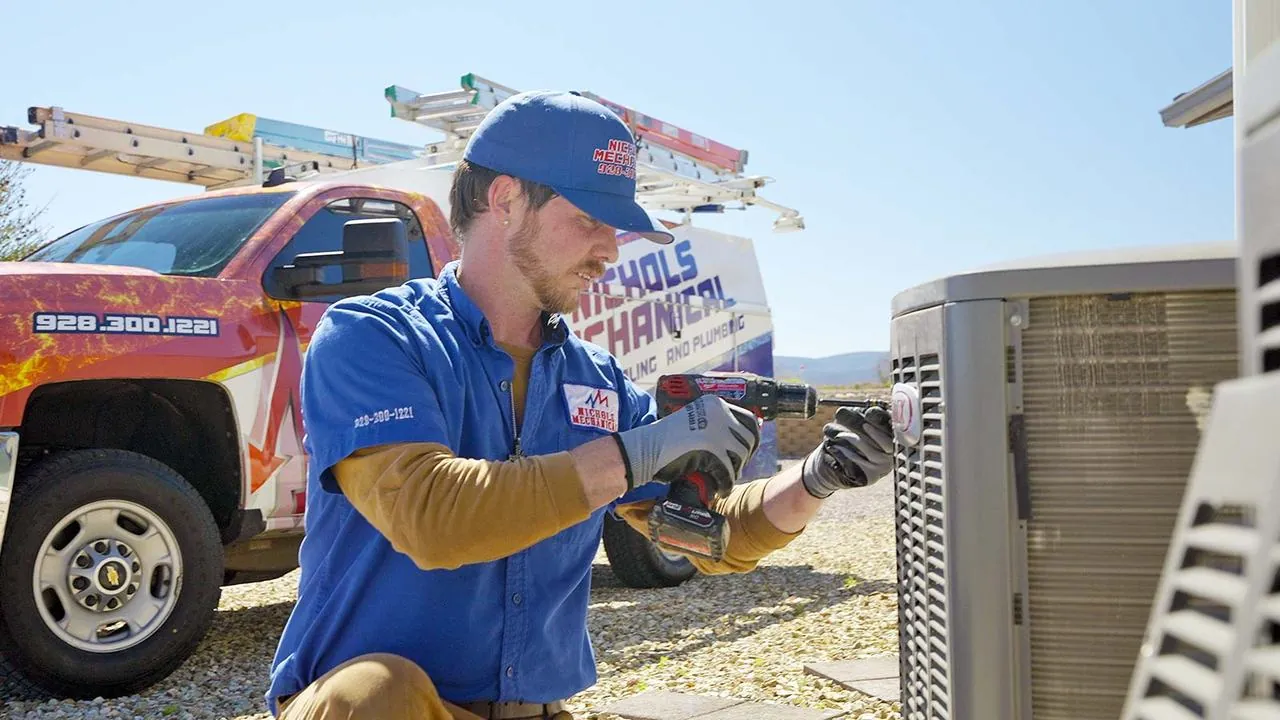
- Schedule professional tune-ups every spring before summer arrives. A licensed technician will check refrigerant levels, test electrical connections, lubricate moving parts, calibrate controls, and inspect components that homeowners cannot safely access.
- Inspect ductwork annually for leaks and damage. The temperature swings in our region loosen duct connections over time, and leaks can waste a significant share of your cooled air before it reaches living spaces.
- Monitor energy bills for unexpected spikes. A sudden increase in cooling costs without a corresponding change in weather or usage patterns often signals a developing problem worth investigating.
- Keep registers and return vents clean and unblocked. Furniture, rugs, and curtains placed over vents reduce system efficiency and create uneven cooling throughout your home.
Choosing the Right AC System for Your Cottonwood Home
If you're facing a system replacement or building a new home in the Verde Valley, selecting the right air conditioning equipment can feel overwhelming given the variety of options available today. The decision matters more here than in milder climates because the wrong system will struggle, fail prematurely, and cost you thousands in unnecessary energy expenses over its lifespan.
Central air conditioning remains the most common choice for Cottonwood homes, and modern high-efficiency units rated SEER2 16 or higher offer significantly better performance than older equipment, often paying for the upgrade through energy savings alone. However, central air isn't the only option worth considering. Heat pumps have become increasingly popular in our region because they handle both heating and cooling in a single system, and modern units handle Cottonwood's winters well, though homes at higher elevations such as Prescott may need backup heat on the coldest nights.
For homes without existing ductwork, or for room additions and converted spaces, ductless mini-split systems provide excellent zoned cooling with remarkable efficiency. These systems let you cool only the spaces you're using, which can dramatically reduce energy consumption in larger homes. Evaporative coolers, sometimes called swamp coolers, deserve mention because they were once standard equipment throughout Arizona.
While they use far less energy than refrigerated air, they perform poorly during monsoon season when humidity rises, and they require regular maintenance to prevent mineral buildup from our hard water. Most homeowners now choose refrigerated air for reliability, though some maintain dual systems. Sizing matters tremendously regardless of which type you choose.
An oversized unit cycles on and off too frequently, wearing out components and failing to remove humidity properly, while an undersized unit runs constantly without ever reaching desired temperatures. A proper Manual J load calculation performed by a qualified HVAC contractor takes into account your home's square footage, insulation, window placement, ceiling heights, and sun exposure to determine the correct system capacity for your specific situation.
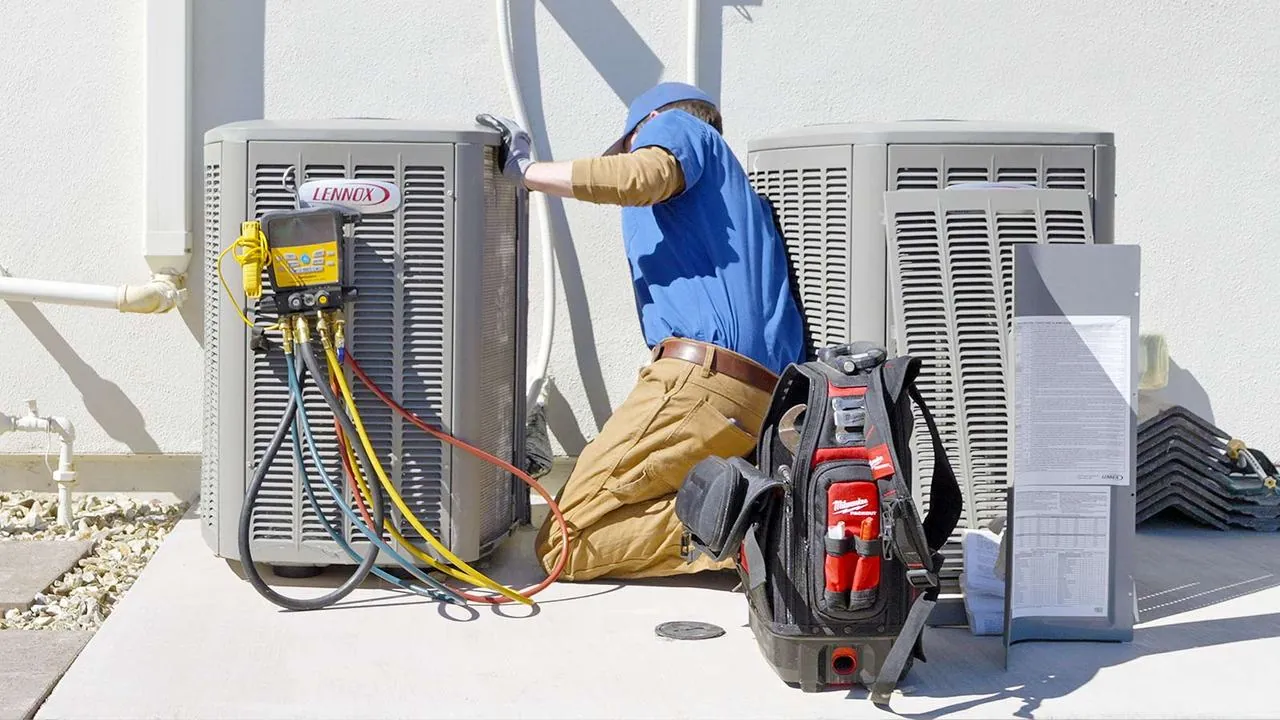
Energy Efficiency Strategies That Actually Work in the High Desert
Reducing your cooling costs in Cottonwood requires a combination of smart equipment choices, thoughtful home improvements, and daily habits that work together to lighten the load on your AC system. The single most impactful upgrade most homeowners can make is improving attic insulation. Verde Valley attics get extremely hot on summer afternoons, and inadequate insulation allows that heat to radiate down into living spaces, forcing your AC to run almost constantly.
Bringing attic insulation up to R-38 or R-49 standards can pay for itself over time through reduced cooling costs. Window treatments make an enormous difference as well, particularly on south and west-facing exposures where afternoon sun penetrates most aggressively. Cellular shades, exterior solar screens, and reflective window films can significantly reduce solar heat gain on treated windows.
For homeowners ready to invest more substantially, replacing single-pane or older double-pane windows with modern Low-E units transforms how heat moves through your home. Sealing air leaks around doors, windows, electrical outlets, and plumbing penetrations is another high-value improvement because conditioned air escapes through these gaps while hot outside air infiltrates to take its place.
A blower door test performed by an energy auditor can identify exactly where your home is losing efficiency. Smart thermostats deserve consideration for any Cottonwood home because they learn your patterns and adjust cooling automatically, which can lower cooling costs without sacrificing comfort. Setting your thermostat to 78 degrees when home and 85 degrees when away represents the sweet spot recommended by efficiency experts for our climate.
Ceiling fans should run in every occupied room, turning counterclockwise during summer to create a wind-chill effect that lets you raise the thermostat several degrees without feeling warmer. Strategic landscaping pays dividends over time as well. Native shade trees planted on the south and west sides of your home reduce direct solar exposure on walls and roof, while shrubs around the base of your house buffer foundation temperatures. These improvements compound over years, creating homes that stay comfortable on less energy.
Frequently Asked Questions About Cottonwood Air Conditioning
How often should I have my AC professionally serviced in Cottonwood?
We recommend annual tune-ups in spring, before the cooling season begins. Some homeowners with older systems benefit from twice-yearly service, with an additional check during fall. Our climate is hard on equipment, so consistent professional attention extends system life significantly.
What temperature should I set my thermostat to during summer?
Energy experts recommend 78 degrees when you're home and awake, with higher settings when you're away or sleeping. Every degree lower than 78 adds to your cooling costs, so finding your personal comfort threshold matters financially.
Why is my AC running constantly but my house still feels warm?
Several issues can cause this, including low refrigerant, a dirty condenser coil, undersized equipment, leaky ductwork, or inadequate insulation. On the hottest afternoons, even properly functioning systems can struggle to keep up.
How long should an AC system last in our climate?
Well-maintained systems in Cottonwood typically last 10 to 15 years, compared to 15 to 20 years in milder climates. Heat pumps often have slightly shorter lifespans due to year-round operation, while heavily used systems may need replacement sooner.
Is it worth repairing an older AC unit or should I replace it?
The general rule involves multiplying the repair cost by the system's age in years. If that number exceeds the cost of a new system, replacement makes more sense. Systems using R-22 refrigerant should generally be replaced rather than repaired due to refrigerant phase-out costs.
Why does my AC freeze up during hot weather?
Frozen evaporator coils typically result from restricted airflow, low refrigerant, or dirty filters. When you notice ice on your unit or refrigerant lines, turn cooling off and run the fan only until the ice thaws, then call a professional to prevent compressor damage.
Can I install a new AC unit myself to save money?
Arizona requires licensed contractors for HVAC installation, and improper installation voids manufacturer warranties, often causes premature failure, and can create safety hazards involving electrical connections and refrigerant handling.
Warning Signs That Mean You Should Call a Professional Immediately
Recognizing when an AC problem requires professional attention rather than DIY troubleshooting can save you from catastrophic equipment failure and extensive secondary damage to your home. Some warning signs are obvious, while others develop subtly over weeks before becoming serious. Strange smells coming from your vents always warrant immediate attention.
A burning electrical odor indicates wiring problems or motor issues that can escalate to fire risk if ignored. Musty smells suggest mold or mildew in your ductwork or evaporator coil, which affects indoor air quality and health. A chemical or sweet smell often indicates a refrigerant leak, which not only impairs cooling but releases substances that should not be inhaled.
Unusual sounds deserve equal attention. Grinding noises typically indicate failing motor bearings, while squealing often signals motor or compressor issues. Hissing sounds suggest refrigerant leaks or duct problems, and loud banging usually means loose components or a failing compressor. Any sound that wasn't there before represents a change worth investigating.
Water leaks around your indoor unit point to clogged condensate lines, frozen coils that have begun melting, or condensate pump failures. Even small leaks can cause thousands of dollars in ceiling, wall, and flooring damage if they continue for extended periods. Electrical issues including frequent breaker trips, dimming lights when the AC starts, or visible damage to wiring require immediate professional response because these conditions present fire and electrocution risks.
Reduced cooling performance combined with longer run times often indicates refrigerant leaks, failing compressors, or duct damage. While slight efficiency loss is normal as systems age, significant decreases in cooling capacity warrant investigation. Ice formation anywhere on your AC system is never normal and indicates serious problems. When you see ice, turn cooling off, run the fan only until it thaws, then call for service.
Continuing to run a frozen unit can permanently damage the compressor, turning a moderate repair into a full system replacement. Trust your instincts as well. If something feels different about how your system operates, that observation usually means something has changed. Professional diagnostics catch developing problems before they become emergencies, often saving substantial money on repairs.
Conclusion
Living comfortably through Cottonwood summers requires more than just hoping your air conditioner keeps running. The unique demands of Verde Valley living, from intense UV exposure and persistent dust to dramatic temperature swings and monsoon storms, mean that homeowners who take an active interest in their cooling systems consistently enjoy better comfort, lower energy bills, and longer equipment lifespans than those who ignore their AC until something breaks.
The maintenance tasks we've outlined in this guide represent years of hands-on experience from working on systems throughout Cottonwood, Sedona, Camp Verde, Clarkdale, and the surrounding communities, and following them will substantially improve your relationship with your cooling system. Beyond routine maintenance, understanding when to call professionals and when DIY approaches make sense protects both your equipment and your safety.
Refrigerant work, electrical repairs, and complex diagnostics belong in the hands of licensed technicians, while filter changes, basic cleaning, and visual inspections are well within the abilities of most homeowners. The goal isn't to handle everything yourself but to be an informed partner in maintaining one of your home's most expensive and important systems.
At Nichols Plumbing, Electrical, & HVAC, we believe that educated customers make better decisions, ask better questions, and ultimately spend less money on their cooling systems over the long run. We've built our reputation throughout the Verde Valley by treating customers honestly, explaining our work clearly, and standing behind everything we do.
When summer temperatures climb and you need help, whether for emergency repairs, routine maintenance, or planning a system replacement, we're here to provide expert service backed by genuine local knowledge of what cooling systems face in our specific climate. Don't wait for the hottest day of the year to discover problems that could have been caught months earlier.
Schedule your spring tune-up, replace your filters on schedule, keep that condenser unit clear of debris, and pay attention to what your system tells you through the small changes in how it operates. Your air conditioner is working hard for you in a demanding cooling environment. With informed care and professional support when needed, it will continue delivering the comfort your family deserves through every Cottonwood summer to come. Contact Nichols Plumbing, Electrical, & HVAC today to schedule service or discuss your cooling needs with experienced local technicians who understand exactly what Verde Valley homes require.