Your HVAC installation is probably wrong, and the numbers prove it. Research shows that 70-90% of AC and heat pump systems have at least one performance-compromising fault. Poor installation can increase household energy use for heating and cooling by up to 30%. Here's why HVAC installation errors are so common, what they're costing you, and how professional installation prevents these expensive mistakes.
The Hidden Reality of HVAC System Installation Problems
Research Shows 70-90% of Systems Have Performance Issues
Multiple independent studies reveal a troubling pattern in residential HVAC system installation. Research dating back to the mid-1990s through 2016 shows that 70-90% of AC and heat pump systems in homes have at least one performance-compromising fault incurred at installation or due to inadequate maintenance. Duct leakage factors into the equation and these rates climb to 90-100%.
The most common installation errors fall into several categories. Poor performance stems from problems such as insufficient indoor coil airflow rate, incorrect refrigerant charge, or an inefficient air distribution system. Worth noting: much of the duct leakage found in homes could be avoided with best installation practices.
Why Most Homeowners Never Notice the Problem
Your system turns on when you adjust the thermostat. Cool air flows from the vents in summer, warm air in winter. Everything appears functional from your viewpoint. This illusion of proper operation explains why installation faults persist for years without detection.
Performance degradation occurs over time rather than all at once. A system operating at 70% efficiency still cools or heats your home. You just pay more to achieve the same comfort level. These inefficiencies remain invisible to homeowners without a baseline comparison or professional diagnostic testing.
Emergency replacements make the problem worse. Your system fails during extreme weather and the priority becomes getting comfort back right away rather than proper installation procedures. Time pressures and discomfort override concerns about load calculations, airflow verification, or refrigerant charge testing.
The Long-Term Effect of Poor HVAC Installation
The consequences of faulty HVAC installation extend well beyond initial performance problems. Wrong installation can increase household energy use for space heating and cooling up to 30 percent over what it should be. Duct leaks also tend to get worse over time rather than better.
Equipment lifespan suffers under the strain of installation errors. Components wear out too early when systems operate with incorrect refrigerant charge or inadequate airflow. Short cycling, caused by wrong sizing or installation, puts unnecessary strain on equipment and leads to premature failure. A well-maintained air conditioner in the Verde Valley should last about 10–15 years, but poor installation cuts that short.
Comfort and air quality get worse as well. Ductwork that's not sealed right allows contaminants such as dust, pollen, and allergens to enter your home.
The 4 Most Common HVAC Installation Mistakes
Four specific installation errors account for the majority of HVAC installation failures. Each mistake compounds energy waste, reduces comfort, and shortens equipment lifespan. Understanding these errors helps you review whether your current system suffers from installation problems.
Incorrect System Sizing and Load Calculations
The most expensive fixed capacity system you can buy is an oversized one. Contractors use simple square footage multipliers instead of detailed room-by-room calculations. They apply rules like "500 square feet per ton" that ignore insulation levels, window orientation, ceiling height, and home construction quality.
Two similar 1,800 square foot homes can require vastly different capacities. An older home with poor insulation, single-pane windows, and unsealed attic ducts might need 4 tons. A newer home with good insulation and sealed ducts requires only 2.5 tons. Same square footage, but a 60% difference in actual load.
Oversized systems cycle on and off in short bursts. They never run long enough to dehumidify properly. Undersized systems run continuously but never achieve desired temperatures. Both scenarios waste energy and damage equipment. Proper Manual J calculations account for all variables, yet many HVAC contractors skip this step during emergency replacements.
Improper Refrigerant Charge Levels
Getting refrigerant charge right matters for system performance and longevity. Both undercharging and overcharging damage your system. An undercharged system lacks proper refrigerant volume to absorb and move heat efficiently, causing poor cooling performance. The compressor operates at higher temperatures with insufficient refrigerant returning on the suction side, increasing overheating risk.
Overcharging creates elevated pressures throughout the circuit. This forces the compressor to work harder and increases energy consumption. Liquid refrigerant can flow back to the compressor in a phenomenon called liquid slugging. Compressors compress gas, not liquid. Internal components break when liquid enters, typically requiring total compressor replacement.
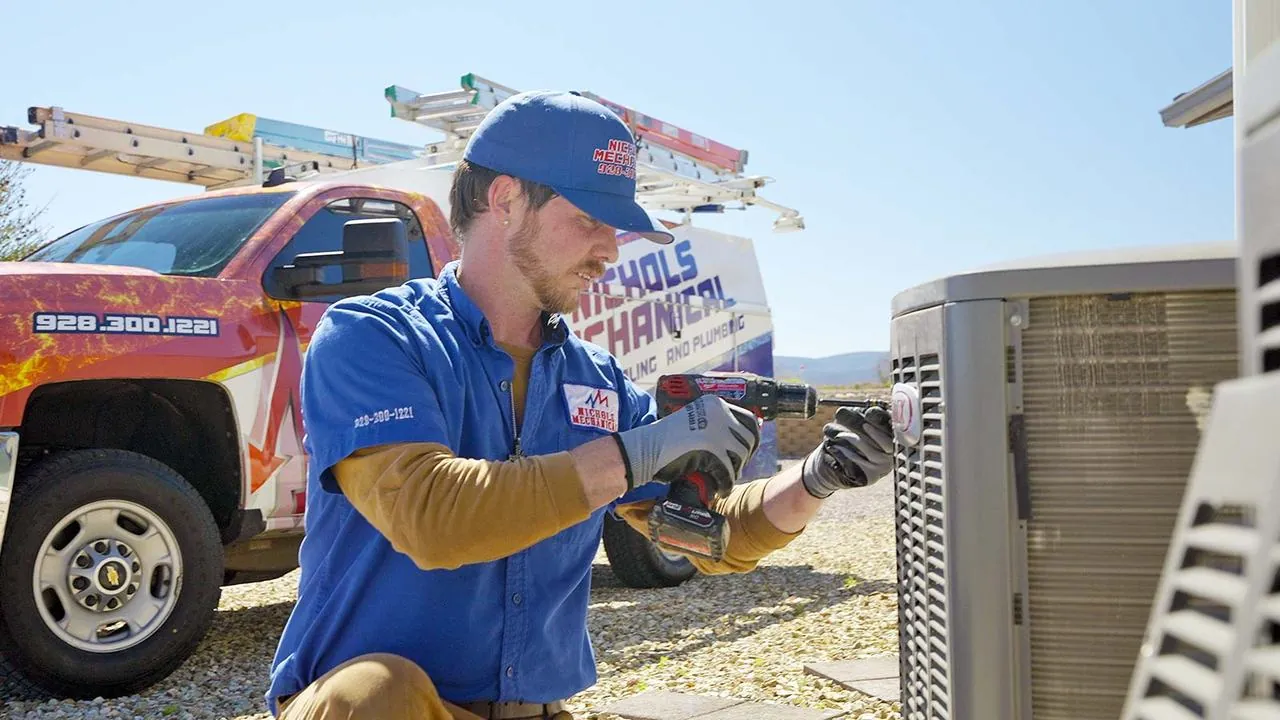
Improper refrigerant charge often dates back to the original installation. Non-professionals attempting repairs overfill refrigerant when addressing cooling problems without identifying the actual cause. Nichols technicians verify proper charge using manufacturer specifications rather than guesswork.
Inadequate Airflow and Duct Design
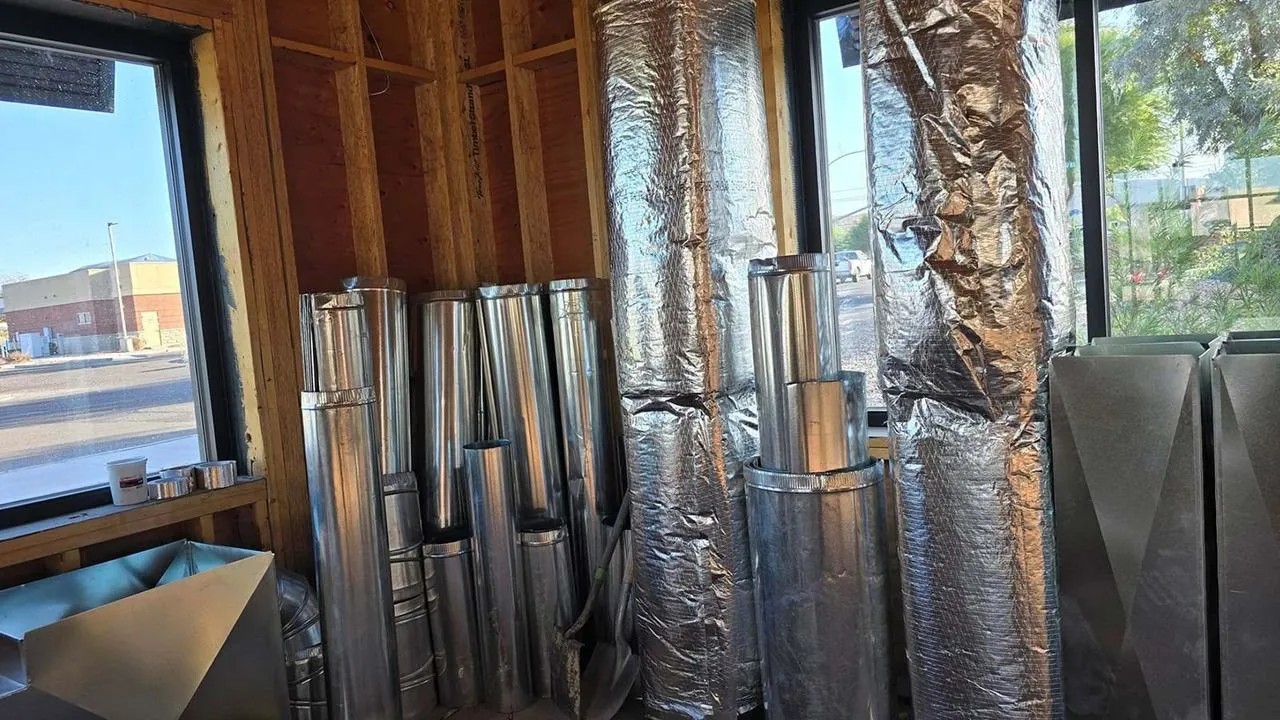
Undersized ductwork restricts heated or cooled air delivery regardless of the equipment's power. Professional HVAC installers use ACCA Manual D calculations to determine proper duct sizing rather than rule of thumb estimates. Undersized ducts limit air delivery and increase noise. They can freeze air conditioner coils or crack heat exchangers due to increased resistance reducing airflow.
Poor duct design introduces additional problems. Sharp bends disrupt air circulation, though some bends remain unavoidable. An elbow should never sit directly on top of a fan. Too few return vents create hot and cold spots throughout the house while reducing efficiency. Ductwork positioned where furniture blocks it reduces airflow and makes maintaining comfortable temperatures difficult.
Leaky Ductwork in Unconditioned Spaces
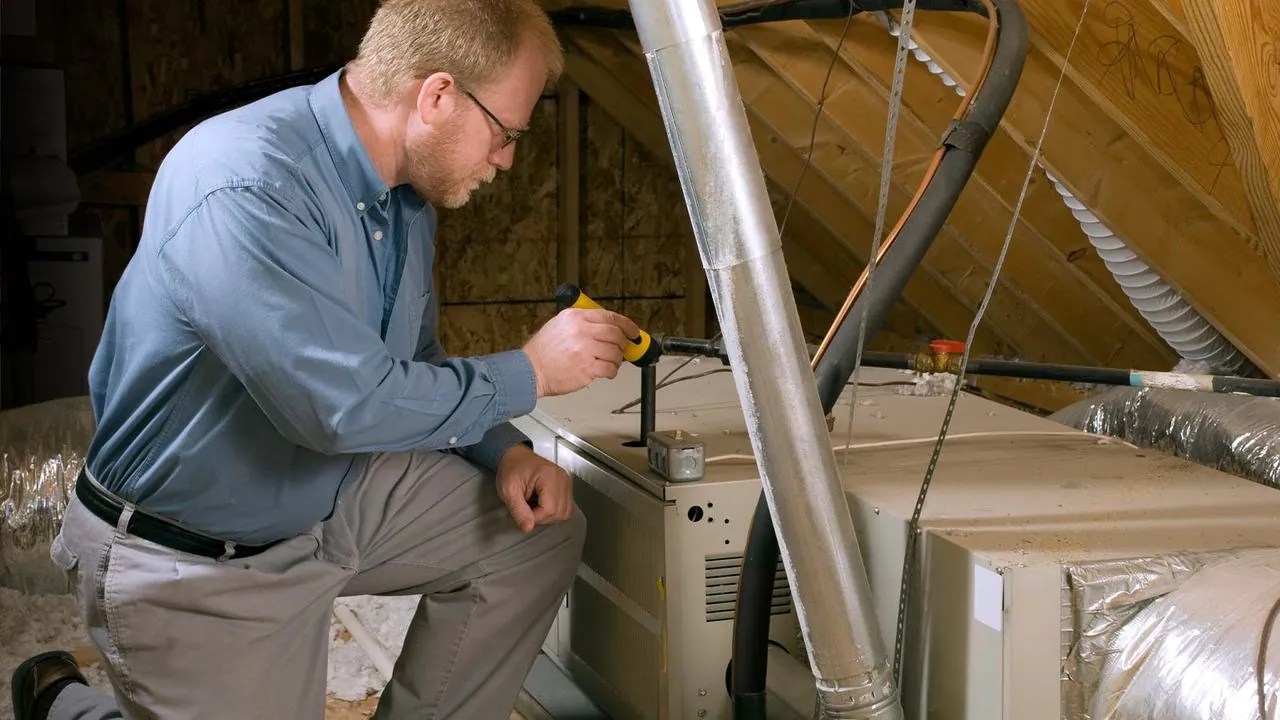
About 20 to 30 percent of air moving through the duct system is lost due to leaks, holes, and poorly connected ducts in a typical house. This leakage results in higher utility bills and difficulty maintaining comfort no matter how you adjust the thermostat. Ductwork in unconditioned spaces like attics, crawlspaces, or garages experiences the most severe losses.
Supply duct leaks force heated or cooled air out of unsealed joints before reaching your rooms. Return duct leaks pull in unconditioned air through unsealed joints. This forces your system to condition air from spaces you don't occupy while distributing dust, insulation fibers, and contaminants that affect indoor air quality. The system cycles on and off more to compensate, never quite achieving desired temperatures.
The Real Cost of Faulty HVAC Installation
Faulty HVAC installation drains your wallet through multiple channels at once. The financial burden extends beyond original performance issues and creates cascading costs that persist throughout your system's operational life.
Up to 30% More Energy Use
The National Institute of Standards and Technology conducted research revealing that improper installation could increase household energy use for space heating and cooling up to 30 percent over what it should be.
Even a brand-new, high-SEER unit runs like an old, inefficient model when the original setup contains flaws. Improper refrigerant charge is common, and even slight deviations from the ideal charge can noticeably increase energy consumption. Oversizing increases annual energy consumption through constant start-up and shut-down cycles. Undersized units run nonstop and struggle to maintain temperature while consuming maximum power.
Higher Utility Bills Year After Year
About 20 to 30 percent of air moving through the duct system is lost due to leaks, holes, and poorly connected ducts in a typical house, resulting in higher utility bills.
These losses compound over time rather than improving. Duct leaks worsen as systems age, meaning each year costs more than the previous one. The total financial impact becomes staggering across a system's lifespan when coupled with ongoing energy waste.
Reduced Equipment Lifespan and Frequent Repairs
Short cycling puts stress on system components, leading to poor humidity control and reducing system lifespan. Systems operating with incorrect refrigerant charge or inadequate airflow wear out before their time, with compressor failure being one of the most expensive repairs.
Compromised Indoor Comfort and Air Quality
Ductwork that's sealed improperly allows contaminants such as dust, pollen, and allergens to enter your home, affecting indoor air quality and potentially causing respiratory problems, allergies, and other health issues.
Why Professional HVAC Installations Go Wrong
Even certified HVAC contractors make installation mistakes, and the reasons trace back to industry-wide systemic problems. Understanding why HVAC installations go wrong helps you identify red flags during contractor selection.
Emergency Replacements Skip Critical Steps
System failures during extreme weather create time pressure that undermines proper HVAC installation. Your air conditioner dies during a heat wave or your furnace quits in freezing temperatures, and comfort restoration becomes the sole priority. Contractors responding to emergencies often bypass load calculations, skip detailed duct evaluation, and omit refrigerant charge verification.
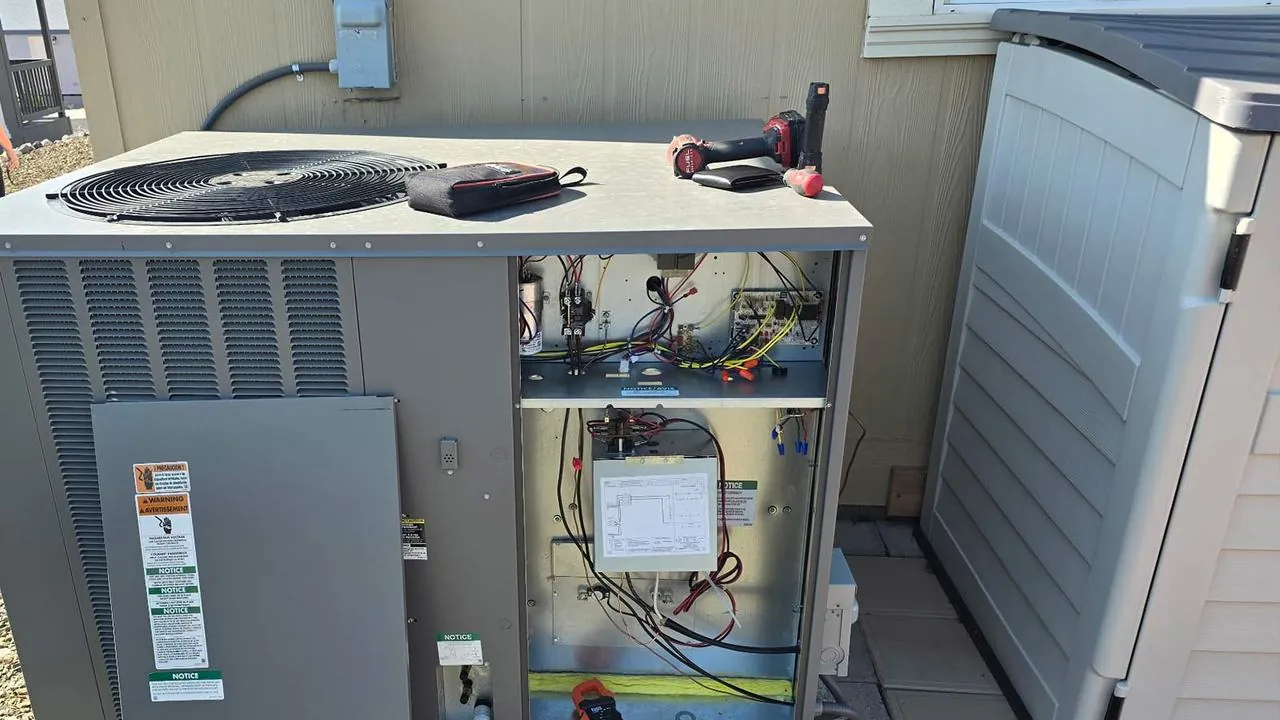
Wiring connections suffer especially during rushed installations. HVAC systems rumble and shake during operation. This puts strain on electrical connections that come loose quickly if not secured correctly during installation. Inexperienced technicians may install incorrectly sized fuses because of time constraints. Components get damaged during hasty work, and moving parts go without proper lubrication.
Rule of Thumb Sizing Instead of Manual J Calculations
The reality remains stark: many HVAC companies don't bother with Manual J load calculations. Many companies claiming to perform load calculations don't take the time to do them properly. Contractors rely on square footage multipliers instead, estimating one ton of cooling capacity for each 600 square feet of conditioned floor area.
This shortcut ignores factors that create actual load: window area and direction, insulation upgrades, air sealing, ceiling vaults, open floor plans, and local construction details. HVAC contractors doing their own load calculations fear coming out with cooling loads that seem too low. They worry about callbacks from clients unable to keep homes cool. They've grown accustomed to oversizing systems to overcome problems created by weak building envelopes and poorly designed duct systems.
Inadequate Technician Training and Certification
HVAC installers may lack detailed training needed to handle modern HVAC systems featuring advanced technology. Poor training leads to mistakes during HVAC installation, from improper ductwork to incorrect refrigerant levels. The industry also faces a technician shortage. An aging workforce, lack of awareness among younger generations about trade careers, and barriers to training and certification contribute to this gap.
How Nichols Ensures Quality HVAC Installation Services
Nichols follows rigorous installation protocols that address the errors discussed in this article. Our approach ensures your new system delivers optimal performance from day one.
Proper Load Calculations and System Sizing
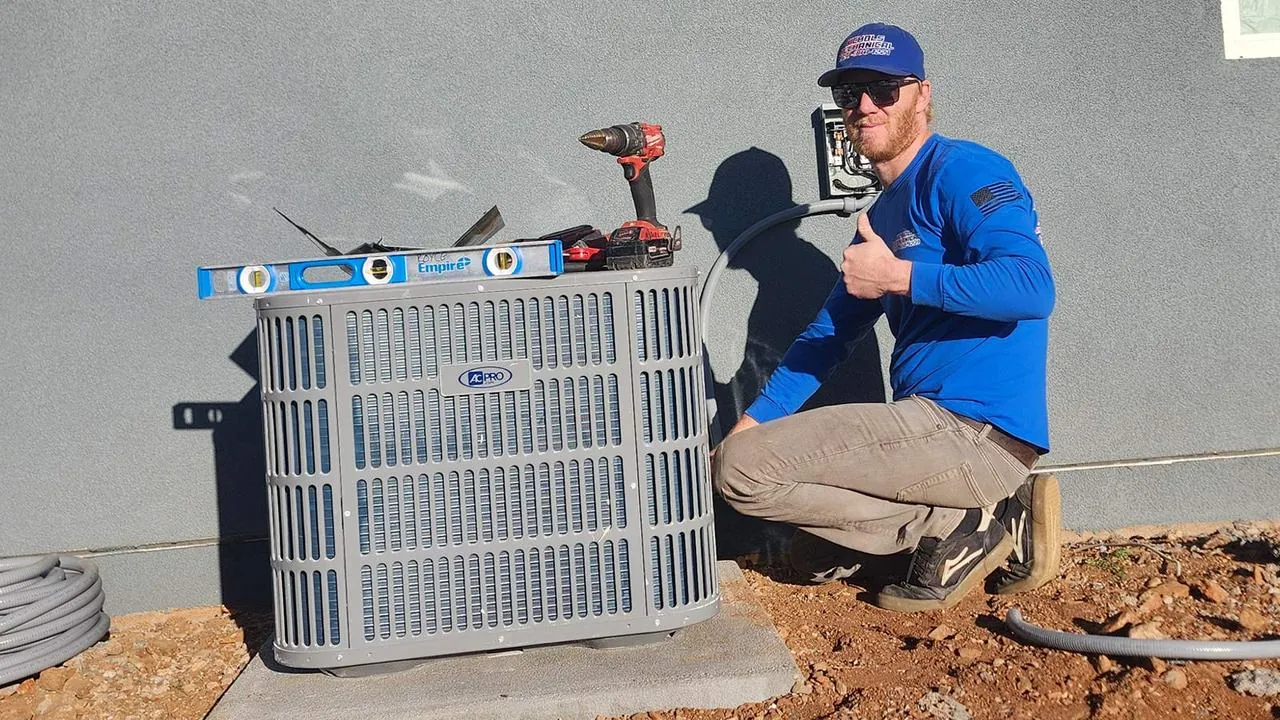
Nichols performs Manual J 8th Edition load calculations for every installation. Manual J is the national ANSI-recognized standard for producing HVAC equipment sizing loads for residential structures. Our technicians measure square footage, assess insulation R-values, evaluate window placement and quantity, and account for climate conditions rather than relying on square footage rules of thumb.
Verified Airflow and Refrigerant Charge Testing
We verify minimum system airflow meets manufacturer specifications, typically 350 CFM/ton for new systems. Refrigerant charge verification uses either superheat or subcooling methods depending on metering device type, with measurements taken using calibrated digital gauges and thermocouples. Both overcharging and undercharging get corrected before system handoff.
Complete Duct System Evaluation and Sealing
Our technicians inspect all accessible ductwork for leaks, knowing that up to 30% of air can be lost through poorly connected ducts. We seal gaps using mastic sealant and fiberglass mesh rather than standard duct tape, which fails over time.
Comprehensive System Commissioning Process
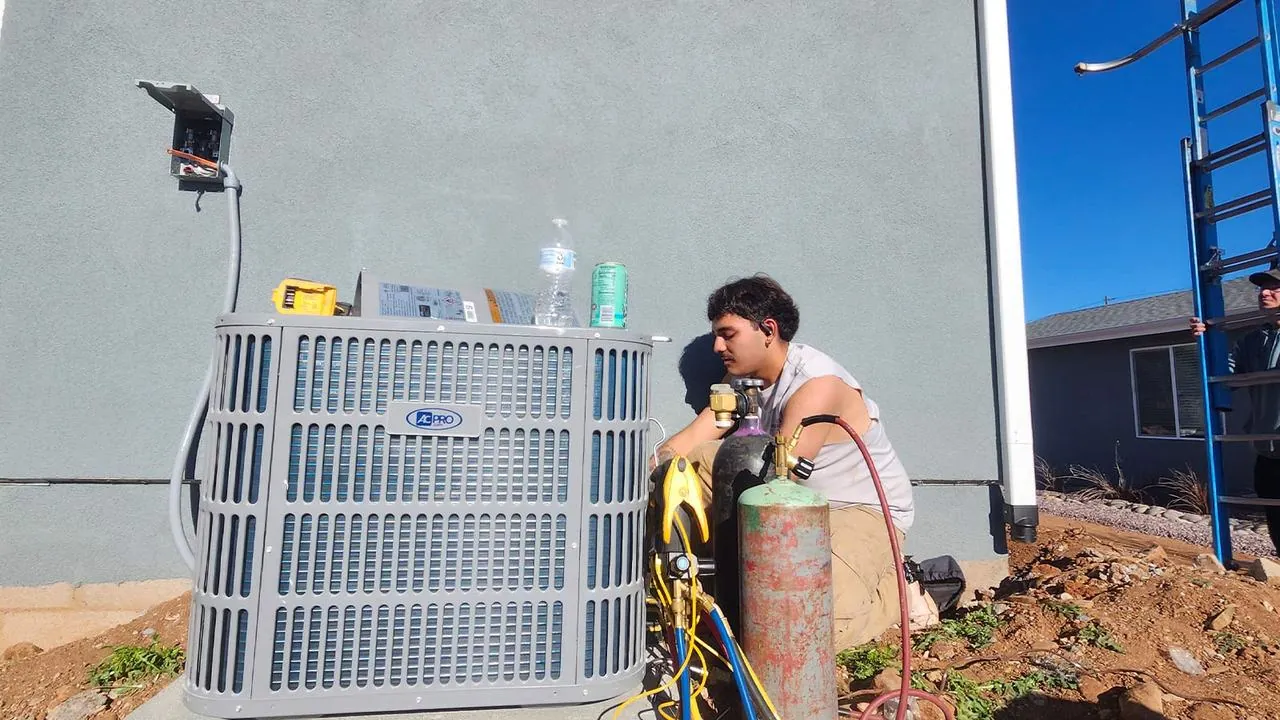
Final commissioning verifies all components function correctly through systematic testing aligned with ANSI/ACCA standards. This includes airflow balancing, control verification, and performance documentation.
Choosing the Right Contractor
When choosing an HVAC installer, verify contractors perform comprehensive home evaluations, provide written itemized estimates, and maintain proper licensing and insurance.
Conclusion
Your HVAC system represents one of your home's largest investments, yet many installations compromise performance and drain your wallet through preventable errors. While industry-wide problems persist, you don't have to accept substandard installation as inevitable.
Proper load calculations, verified refrigerant charge, sealed ductwork, and complete commissioning prevent the energy waste discussed above.
You should prioritize proper installation over emergency shortcuts. Nichols handles new installations and corrective work so your system delivers optimal performance from day one.
Key Takeaways
Research reveals that 70-90% of HVAC systems suffer from installation faults that waste energy and money, yet most homeowners remain unaware of these costly problems.
• Faulty HVAC installation increases energy consumption by up to 30%, raising utility bills over the system's lifetime.
• Four critical errors plague most installations: incorrect sizing, improper refrigerant charge, inadequate airflow, and leaky ductwork losing 20-30% of conditioned air.
• Emergency replacements often skip proper load calculations and testing, leading to oversized systems that short-cycle and waste energy.
• Professional Manual J load calculations, verified refrigerant charge testing, and comprehensive duct sealing prevent these expensive installation mistakes.
• Proper installation from day one eliminates the need for costly corrections while extending equipment lifespan significantly.
The bottom line: investing in quality HVAC installation upfront saves substantially more money than accepting substandard work that wastes energy for decades.
FAQs
Q1. What percentage of residential HVAC systems are improperly installed? Research indicates that approximately 70-90% of residential HVAC systems have at least one performance-compromising fault due to improper installation or inadequate maintenance. When duct leakage is included, this rate can reach 90-100%, making installation errors extremely common across the industry.
Q2. How much more energy does a poorly installed HVAC system consume? A poorly installed HVAC system can increase household energy consumption for heating and cooling by up to 30% compared to a properly installed system. This significant increase translates to substantially higher utility bills year after year throughout the system's lifespan.
Q3. What is the most expensive component in an HVAC system? The compressor is the most expensive component in an HVAC system. Located in the outdoor unit, it functions as the heart of the cooling process by compressing refrigerant and circulating it through the coils to transfer heat and maintain comfortable indoor temperatures.
Q4. How can I get the best price when hiring an HVAC contractor? To get a fair price, compare quotes from multiple contractors, discuss your budget openly, clarify warranty details and ensure they're included in the price, schedule installations during the off-season when demand is lower, and don't hesitate to get second opinions before making your final decision.
Q5. What are the most common HVAC installation mistakes? The four most common installation errors include incorrect system sizing without proper load calculations, improper refrigerant charge levels, inadequate airflow due to poor duct design, and leaky ductwork in unconditioned spaces. These mistakes can cause 20-30% of conditioned air to be lost and significantly reduce system efficiency.