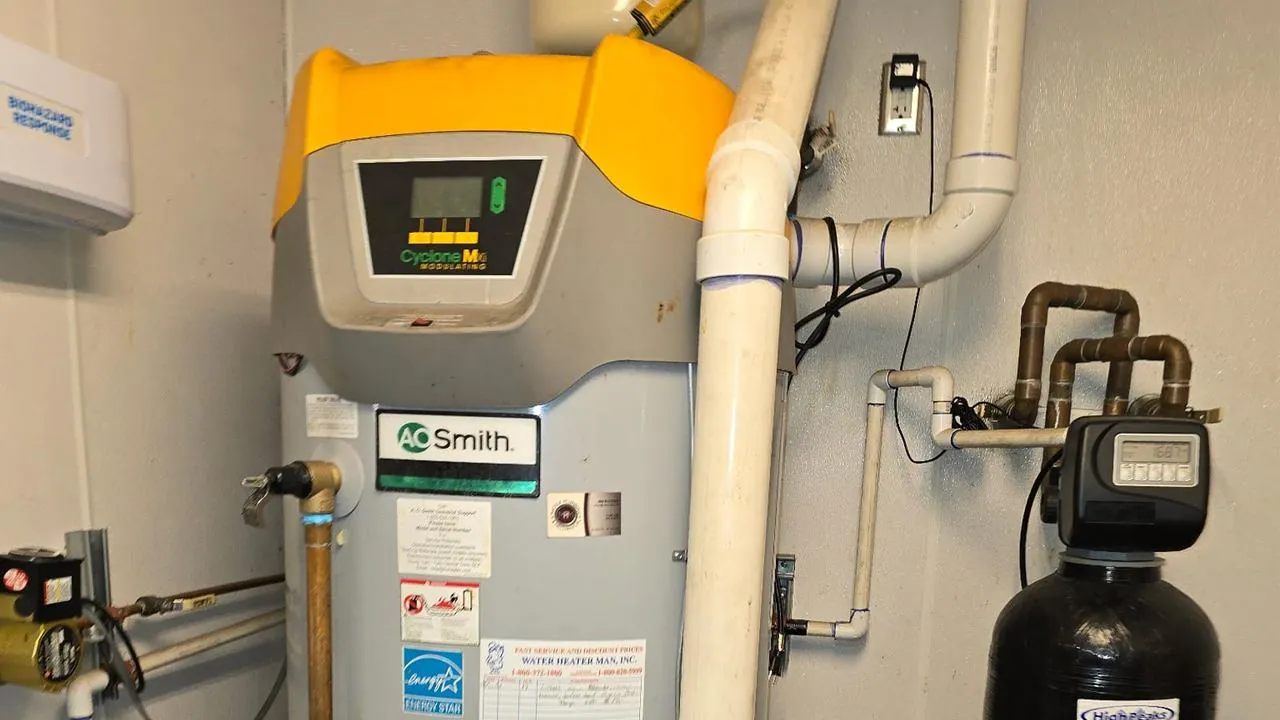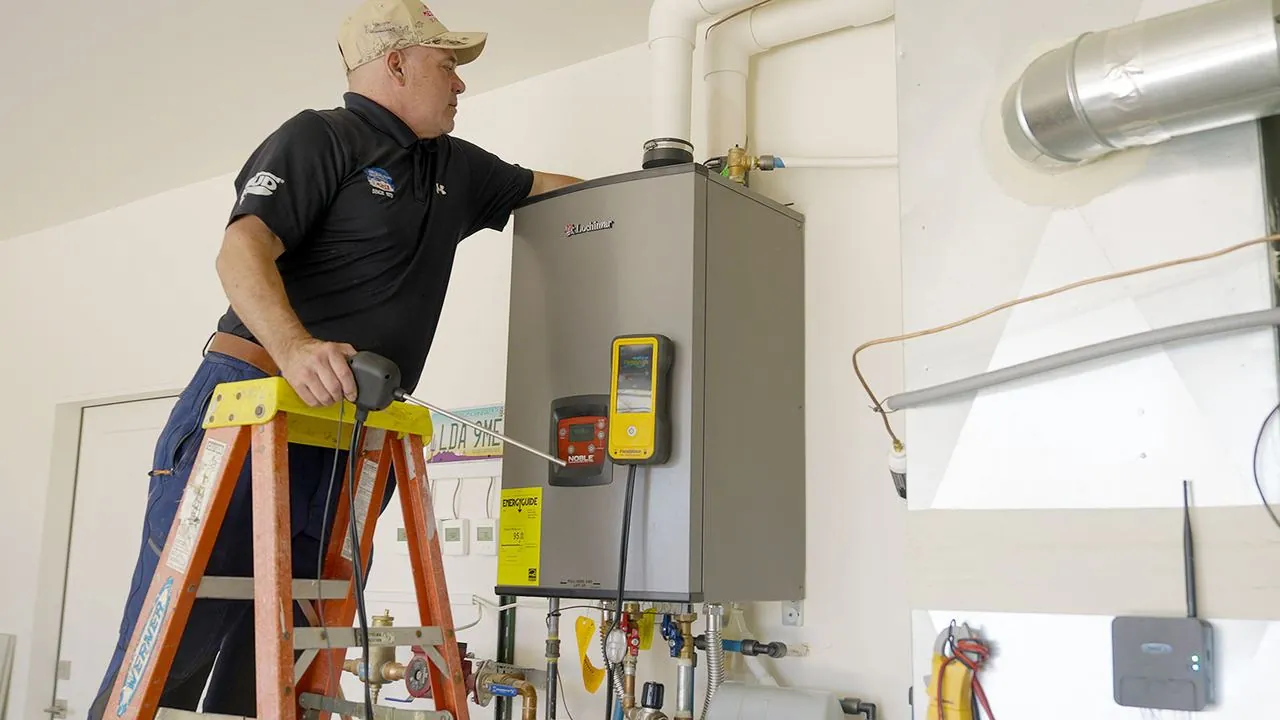
A water heater leaking in your home needs immediate attention, because it can cause property damage, encourage mold growth, and create safety hazards. Whether the drip is coming from the top of the unit or water is pooling at the bottom, understanding the causes helps you respond well. This guide explains how to find where the leak is coming from, when repairs are possible, and when replacement becomes necessary.
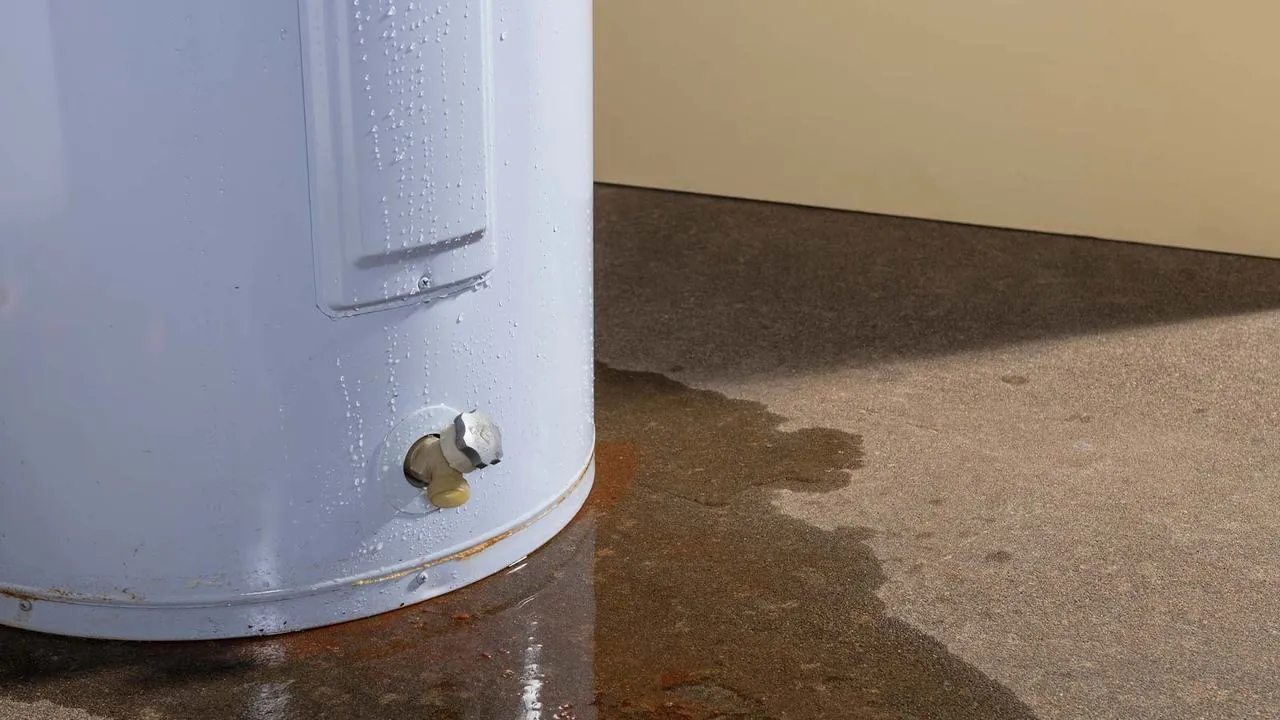
Immediate Steps to Take When Your Water Heater Is Leaking
When you find your hot water heater drip or pool of water around your unit, act quickly to minimize damage and protect your safety. Even a small puddle serves as a red flag that needs an immediate response. The sequence of steps matters, especially when you have potentially dangerous electrical components or gas lines to work around.
Turn Off the Power or Gas Supply
Stop the heating process before you address the water supply. Electric water heaters require you to locate your home's electrical panel and switch off the breaker labeled for the water heater. Shut off the main breaker to stay safe if no clear label exists. Many installations also have a separate electrical disconnect near the water heater. Never touch the water heater if water pools around electrical components.
Gas water heaters have a gas control valve on the front of the unit that you turn to the OFF position. This stops gas flow to the burner. Most up-to-code installations also feature a separate shutoff on the gas line supplying the water heater. If you smell gas, don't stay to work the valve: leave the house, then call the gas utility or 911 from outside.
Shut Off the Water Supply
Turn off the cold water supply valve on the pipe entering the top of your water heater by rotating it clockwise until it stops. This prevents additional water from entering the tank and continuing the leak. Shut off the main water supply to your home if the valve won't turn or appears damaged.
The leak continues until the tank empties, even after you shut off the water supply. Opening a nearby hot water faucet allows air into the system, which helps the tank drain more safely and reduces pressure buildup. Wipe up any standing water to prevent damage to your flooring.
Assess the Situation Safely
Step back and assess the leak's severity without touching the hot unit once you've shut off power and water. Classify what you're seeing as minor drips, moderate leaking or severe flooding. Minor drips may allow time for simple containment measures, while severe flooding demands urgent action. Identify potential hazards associated with the leak to ensure your safety throughout the process.
Water heaters with legs allow you to slide paper towels underneath to verify whether your unit is the source of water leaking to lower floors. Water heaters with solid bases sitting on the floor show water seeping out from under if the heater is leaking.
Contact a Professional Plumber
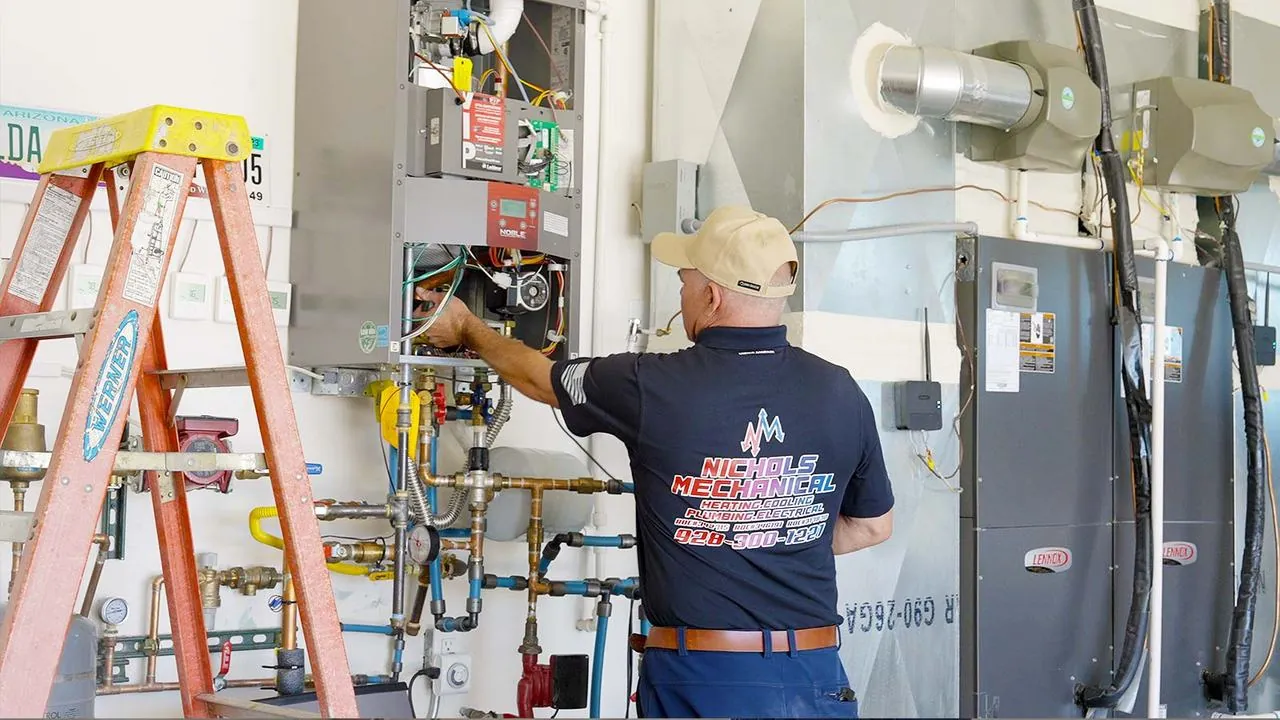
Once you've taken these containment steps, a professional can pinpoint the cause and what needs attention. Technicians possess the expertise to diagnose complex problems and ensure repairs are conducted safely. You should contact Nichols right away if your water heater is leaking from the tank itself, you smell gas near a gas unit, water damage is spreading, or your water heater has stopped producing hot water after the emergency shutdown.
Nichols can determine whether repair is possible or if replacement becomes the safest option while ensuring the system meets current safety and plumbing code requirements.
Common Causes of Water Heater Leaking
Understanding what causes your hot water heater leaking helps you prevent future issues and recognize when professional intervention becomes necessary. Several factors contribute to water heater failures, ranging from simple component wear to serious internal deterioration. You can address problems before minor drips escalate into major flooding by identifying these causes.
Loose or Faulty Drain Valve
Your drain valve serves the purpose of emptying the tank during maintenance tasks such as flushing out accumulated sediment. Routine use wears out drain valve components over time and causes leaks or dripping handles. Some water heater tanks feature plastic drain valves that become brittle with age. The plastic can crack and cause leaks when you use these valves to empty the tank.
Failing rubber gaskets inside plastic drain valves deteriorate and cause leaks commonly. Sediment trapped in the valve housing prevents proper sealing and allows water to drip from the spout even when closed. Leaks develop at the connection point where the valve threads into the tank if the drain valve wasn't installed correctly or uses incompatible fittings. You can sometimes stop the leak by tightening loose connections with a pipe wrench, but you must avoid overtightening since this can break the valve.
Temperature and Pressure Relief Valve Issues
All water heaters include a temperature and pressure relief valve set to open when pressure reaches 150 psi or temperature hits 210 degrees Fahrenheit. This safety device prevents explosions by releasing excess pressure or temperature buildup. A leaking T&P valve indicates either a defective valve or one performing its safety function due to excessive pressure or temperature.
Dirt or sediment trapped in the relief port prevents the valve from sealing completely. The valve leaks constantly if you install a pressure relief valve designed for boilers on your water heater since boiler valves activate at only 30 psi rather than the required 150 psi. Corrosion on the valve body or deposits preventing proper sealing require valve replacement.
Sediment Buildup Inside the Tank
Minerals in your water supply settle at the bottom of the tank as water heats and form a thick crusty layer. This sediment creates hot spots that strain your heating element and damage the tank lining. Sediment traps moisture against the steel tank bottom and accelerates internal rust and eventual leaks. No repair can reverse the deterioration once corrosion starts from sediment damage.
Your water heater works harder to produce hot water as the sediment layer grows thicker, increasing stress and pressure on the tank and components. After prolonged buildup, corrosion takes hold and the tank can develop leaks.
Corroded Fittings and Connections
When copper pipes connect directly to a steel tank, the two metals set up galvanic corrosion that eats away the metal. This electrochemical reaction accelerates after plumbing upgrades where new copper pipes meet older steel components without proper connectors. Dielectric nipples or unions installed between dissimilar metals stop this electrical flow and protect your system.
Rust at pipe attachments on top of your water heater often signals corroded nipples rather than tank failure. Manufacturers provide these sacrificial nipples so corrosion occurs at replaceable components instead of the tank itself.
Internal Tank Corrosion
The sacrificial anode rod inside your tank attracts corrosive elements and protects the tank from rust. This rod, made of magnesium or aluminum wrapped around a steel core wire, becomes depleted over time. Your tank loses protection and begins rusting from inside once the anode rod corrodes down to less than half-inch thickness. Tank water heaters typically last 8-12 years, with corrosion becoming serious near the end of their lifespan.
High Water Pressure
Water pressure over 80 psi forces your tank to work harder and causes strain that results in leaks. High pressure can cause the pressure relief valve to fail or malfunction, potentially resulting in burst tanks. A pressure reducing valve installed on your main water line regulates pressure throughout your plumbing system. Nichols can assess your water pressure and install appropriate pressure regulation to prevent water heater leaking from excessive system pressure.
How to Identify Where Your Hot Water Heater Is Leaking From
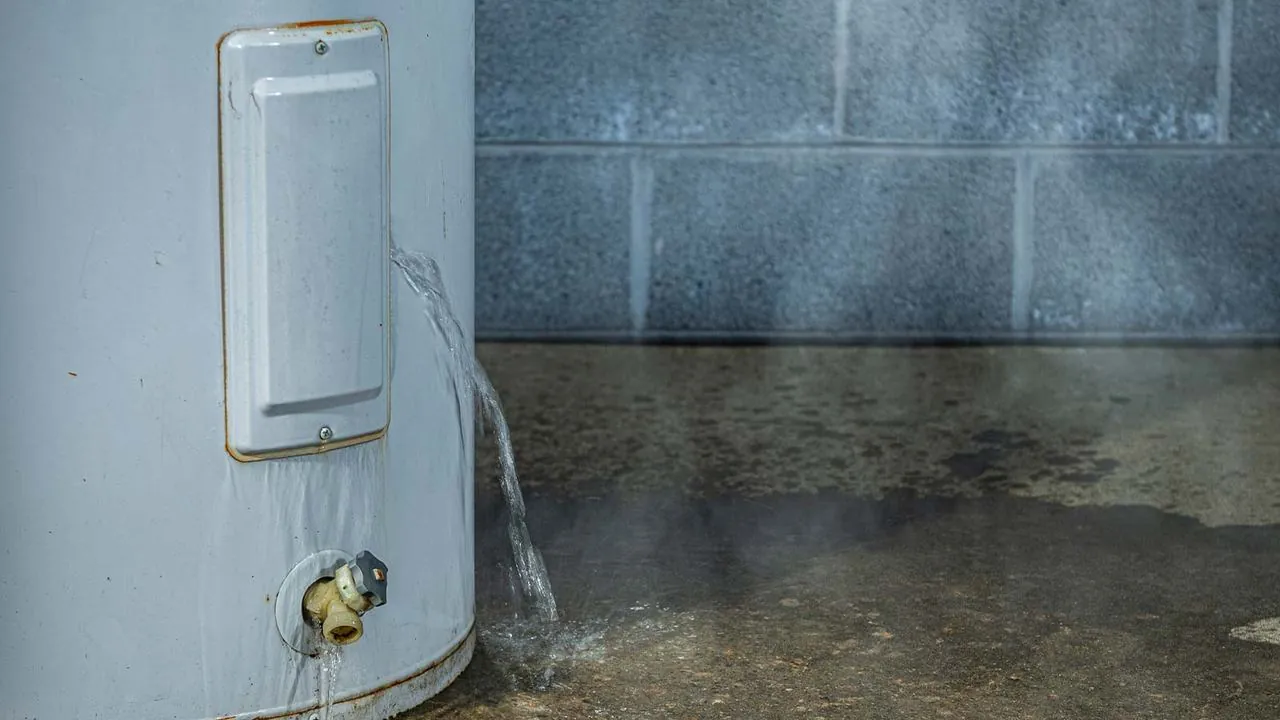
Pinpoint where your water heater leaks to determine whether repair remains possible or replacement becomes necessary. Leak locations indicate distinct problems that range from simple fitting adjustments to complete tank failure. Dry the exterior of your tank and monitor where moisture reappears to identify the true source.
Water Heater Leaking from the Top
The cold water inlet and hot water outlet connections at the top of your tank need inspection. These fittings can loosen over time and create drips around the threaded connections. You might tighten loose fittings with a wrench, but proceed with care since overtightening damages components. The temperature and pressure relief valve located on the side or top of the tank should be checked for moisture or drips.
The anode rod port at the top can develop leaks if the rod becomes loose or corroded. Moisture forming around pipe connections signals wear at these fittings, especially when you have flexible copper pipes or dielectric nipples. What appears as top leaking sometimes originates from condensation on cold pipes in humid environments.
Water Heater Leaking from the Bottom
Water pooling at the base can mean the tank itself has corroded through, which requires replacement rather than repair. Run your hand along the tank sides to check for moisture on the tank body itself; moisture there indicates internal corrosion has created holes that cannot be fixed. Sediment buildup that traps heat and weakens the tank lining can also cause bottom leaks.
The drain valve near the bottom of the tank can develop leaks from sediment buildup or worn washers. This component remains repairable by tightening or replacement. Water beneath your heater sometimes originates from higher connections and travels downward to pool at the lowest point.
Leaks from the Side of the Tank
The temperature and pressure relief valve mounts on the side of your tank with a discharge pipe running down toward the floor. Water dripping from this pipe could mean the valve performs its safety function due to excessive pressure, or the valve itself needs replacing. Safety components rather than simple connections are often involved in side leaks.
Distinguishing Condensation from Actual Leaks
Condensation forms when cold incoming water chills the tank and moisture from the surrounding air collects on it, most often in cold weather or after a large hot-water draw. Wipe away all water underneath your heater, then check periodically over the next day. Condensation usually stops once the tank is back up to temperature; a real leak keeps going.
You have condensation if moisture appears mainly when the system heats, water droplets form evenly across the tank, and moisture disappears as the tank warms. Actual leaks persist whatever the heating cycles, create rust colored water or streaks, and originate from specific pipe connections or seams. Mineral deposits around wet areas indicate leaking rather than condensation since condensation contains only clean water. Nichols can inspect your system to distinguish between harmless condensation and dangerous leaks that require immediate attention.
When Repair Is Possible vs. When Replacement Is Necessary
Deciding between repair and replacement depends on what component failed, how old your system is, and whether the tank itself shows structural damage. Some leaks stem from replaceable parts that restore function without major expense. Others signal the end of your water heater's useful life.
Repairable Issues: Valves and Connections
Repair makes sense when the leak originates from components designed to be swapped out. Broken heating elements, faulty thermostats and loose connections qualify as straightforward fixes. Leaky pressure relief valves and minor sediment buildup also fall into this category. When the drain valve or T&P relief valve shows wear, a plumber can install a new valve to stop the leak. Loose fittings or connections often require simple tightening or reinstallation with fresh thread sealant.
Fixing the problem proves worthwhile for units under 6-8 years old showing no signs of tank corrosion or structural leaks. Anode rod replacement extends your tank's lifespan and continues to protect against internal corrosion.
When the Tank Itself Is Compromised
Moisture around the tank body signals internal corrosion and the need to replace. No repair option exists once the tank develops cracks in the glass liner or corrodes through the steel shell. Water leaking from the tank base due to internal deterioration means the unit has reached the end of its life.
Age of Your Water Heater Matters
Tank water heaters last 8-12 years, while tankless systems run 20+ years. Planning to replace becomes smarter than waiting for emergency failure once your unit reaches 10 years. Units over 10-15 years experiencing recurring issues rarely benefit from continued repairs.
Cost Considerations: Repair vs. Replacement
Nichols generally recommends replacement when repair expenses exceed 50% of a new unit's price. Frequent breakdowns indicate broader internal wear that single fixes won't resolve. Nichols can assess your situation and advise whether repair or replacement offers better long-term value.
Preventing Future Water Heater Leaks
Proactive maintenance stops most water heater leaking before it starts and saves you from emergency repairs and water damage. Regular service tasks extend your system's lifespan and catch minor issues before they escalate.
Annual Professional Inspections
Schedule professional water heater services once a year, whatever your unit runs on—gas or electricity. Technicians check the anode rod for corrosion and test the pressure relief valve. They drain or flush the tank to remove sediment and check for rust or leaks. Burner or electrical components get inspected. Thermostats and heating elements are tested, and proper venting is ensured. Staying on top of inspections reduces the risk of early replacement.
Regular Tank Flushing to Remove Sediment
Flush your tank at least once per year. Hard water areas need flushing twice yearly since hard water contains higher mineral concentrations. This process removes sediment that settles at the tank bottom, which can shorten your water heater's lifespan and increase energy consumption. The annual flushing provides a chance to test your pressure relief valve and verify the overflow drain functions.
Anode Rod Replacement
Replace your anode rod every three to five years for best results. Homes with water softeners or hard water require replacement every two to four years.
Monitor Water Pressure Levels
Normal household water pressure is 40–80 psi. If yours runs above 80 psi, a pressure-reducing valve is recommended to protect the tank. Nichols can perform all these preventive maintenance tasks to protect your investment.
Conclusion
A water heater leaking poses serious risks to your home and safety. Understanding the causes and solutions puts you in control. You can take immediate steps to minimize damage, but professional diagnosis will give accurate repairs and long-term reliability. Regular maintenance prevents most leaks before they start. Annual inspections and tank flushing extend your system's lifespan.
Schedule your annual inspection today to protect your investment and avoid water damage that can get pricey down the road. Don't wait for emergency failures.
Key Takeaways
When your water heater starts leaking, quick action and proper knowledge can prevent costly water damage and help ensure your family's safety.
• Act immediately: Turn off power/gas first, then water supply, and contact a professional to prevent extensive damage and safety hazards.
• Location matters for repair decisions: Leaks from valves and connections are often repairable, but tank body leaks require full replacement.
• Age determines repair value: Water heaters over 10 years old with recurring issues should be replaced rather than repeatedly repaired.
• Prevention saves money: Annual professional inspections, tank flushing, and anode rod replacement prevent most leaks before they start.
• Know when to call professionals: Tank corrosion, gas smells, or electrical hazards require immediate expert intervention for safety.
The difference between a minor inconvenience and a major disaster often comes down to recognizing the warning signs early and taking appropriate action. Regular maintenance not only prevents emergency situations but can extend your water heater's lifespan by several years, making it a smart investment in your home's infrastructure.
FAQs
Q1. What are the most frequent reasons water heaters develop leaks? The most common causes include high water pressure forcing strain on the tank, sediment buildup creating hot spots and corrosion, worn drain valves with failing gaskets, faulty temperature and pressure relief valves, corroded pipe fittings and connections, and internal tank corrosion once the protective anode rod depletes. Age also plays a significant role, as most tank water heaters last 8-12 years before internal deterioration leads to leaking.
Q2. Does homeowners insurance typically cover water heater leak damage? Most homeowners insurance policies provide coverage for sudden and accidental water damage from water heater failures, such as an unexpected pipe burst or tank rupture. However, coverage generally excludes damage from gradual leaks due to lack of maintenance or normal wear and tear. It's important to review your specific policy details and maintain your water heater properly to ensure potential claims are covered.
Q3. Why would water leak from the bottom of my water heater? Bottom leaks typically indicate either a corroded tank that has rusted through (requiring replacement), a faulty drain valve with worn washers or sediment buildup, or severe sediment accumulation at the tank base that has damaged the internal lining. Sometimes water from higher connections simply travels downward and pools at the bottom, so it's important to dry the entire unit and identify the true source before determining if repair or replacement is necessary.
Q4. What immediate actions should I take when I discover my water heater is leaking? First, turn off the power supply (circuit breaker for electric units) or gas supply (gas control valve for gas units). Next, shut off the cold water supply valve entering the top of the tank. Open a nearby hot water faucet to relieve pressure and help the tank drain safely. Wipe up standing water to prevent floor damage, then contact a professional plumber to assess the situation and determine whether repair or replacement is needed.
Q5. Can I prevent my water heater from leaking in the future? Yes, regular maintenance significantly reduces leak risks. Schedule annual professional inspections to check components and identify issues early. Flush your tank at least once yearly (twice in hard water areas) to remove sediment buildup. Replace the anode rod every 3-5 years to maintain corrosion protection. Monitor and regulate water pressure to stay below 80 psi, and address any minor drips immediately before they escalate into major problems.