You can often clear a slow drain using kitchen ingredients you have at home. Clogged drains are frustrating, and many commercial drain cleaners promise fixes but contain toxic chemicals like sulfuric acid and sodium hydroxide that harm your plumbing and health. This guide will show you how to unclog drains with baking soda and vinegar, along with other safe drain unclogging methods for your sink and shower. We'll cover step-by-step techniques and prevention tips, and when to call professionals.

Why You Should Avoid Chemical Drain Cleaners
Chemical drain cleaners promise fast results, but the damage they cause outweighs any temporary convenience by far. You can make informed decisions about drain unclogging methods for your home when you understand these risks.
Damage to Your Plumbing System
Chemical drain cleaners generate intense heat when breaking down clogs. This heat can crack toilets, soften PVC piping and corrode older metal pipes. The same chemical reactions designed to dissolve hair and grease don't discriminate between the clog and your pipe walls. Some of these cleaners contain strong acids that react right inside your drainpipe and often concentrates on one small section if the cleaner sits on top of a stubborn clog. This concentrated exposure can do irreversible damage.
PVC pipes, common in newer homes, may warp or soften after repeated exposure to harsh chemicals. Metal pipes face serious threats too. Acid-based cleaners accelerate the natural oxidation of copper and thin pipe walls while attacking solder joints. Galvanized steel and cast iron pipes, especially those in older homes, are corroded on the interior already. Chemical cleaners accelerate pitting, widen microcracks and can trigger pinhole leaks or complete pipe failures.
The corrosion doesn't stop at the pipes themselves. These cleaners can eat away at the enamel on your sinks and bathtubs, melt the glue holding pipes together and destroy the threads on galvanized pipes. Frequent use leads to leaks that increase maintenance costs substantially. A single heavy application can weaken a pipe's interior lining and set you up for costly repairs in the future.
Health Risks for Your Family and Pets
The fumes from chemical drain cleaners pose serious respiratory hazards. Air quality suffers when these products release chlorine or other gasses during chemical reactions, especially in bathrooms that lack proper ventilation. Prolonged exposure may trigger asthma, headaches or skin irritation. These fumes can linger for hours and create irritation to your lungs, eyes, nose, throat and skin.
Direct contact with these cleaners causes painful chemical burns. The liquid can cause severe irritation if it splashes on your skin, and getting it in your eyes can result in permanent damage. Swallowing chemical drain cleaners can result in serious burns, permanent tissue damage and even death. The corrosive chemicals can damage the mouth, throat, esophagus and stomach. Possible complications include difficulty swallowing and permanent organ damage.
Pets face similar dangers. They often sniff around or lick surfaces where chemical residue remains. Even trace amounts left in a sink or tub can cause serious harm. Children are also at risk if they reach bottles stored under sinks; childproof caps help but don't eliminate the risk.
Environmental Effect on Water Systems
Chemical drain cleaners don't disappear after use. These substances enter local water systems, and traces can linger even after wastewater treatment. Common ingredients like sodium hydroxide and sulfuric acid are toxic to aquatic life in high concentrations. These chemicals can alter the pH of water bodies and harm species sensitive to changes in acidity.
These cleaners kill the beneficial bacteria needed to break down waste for homes with septic systems and lead to system failure. Choosing safe drain unclogging methods protects both your home and local water systems.
Essential Tools and Materials for DIY Drain Unclogging
Assembling the right materials before you start drain unclogging saves time and prevents multiple trips to the store. Most effective drain cleaning solutions rely on pantry staples you own, coupled with simple tools available at any hardware store. Here's what you need for successful DIY drain maintenance.
Common Household Ingredients
Baking soda serves as the foundation for most natural drain cleaning methods. This sodium bicarbonate acts as a base that creates powerful reactions when combined with acids. You'll need fresh baking soda for best results, as old boxes lose potency over time.
White distilled vinegar pairs well with baking soda. The acetic acid in vinegar reacts with baking soda to produce carbon dioxide bubbles that break through clogs. The fizzing action helps dislodge trapped debris without damaging pipes. Lemon juice offers an alternative to vinegar and provides similar acidic properties while adding a fresh scent to your drains.
Salt enhances drain cleaning power when mixed with other ingredients. Table salt combined with baking soda creates an abrasive mixture that scrubs pipe walls. Borax powder, a mineral product, provides additional cleaning strength for tougher blockages, though you should handle it with care around children and pets.
Cream of tartar, found in baking sections, works alongside baking soda and salt for stubborn clogs. Natural liquid dish soap cuts through grease buildup, especially when followed by hot water. Hot water itself is a simple tool that softens grease and loosens particles stuck to pipe walls.
Basic Tools You'll Need
Plungers create suction and pressure to dislodge clogs in sinks, toilets, and showers. Cup plungers feature flat rubber cups suitable for sinks and tubs, while flange plungers have extended flanges designed for toilet bowls. The key lies in creating an airtight seal around your drain opening for maximum effectiveness.
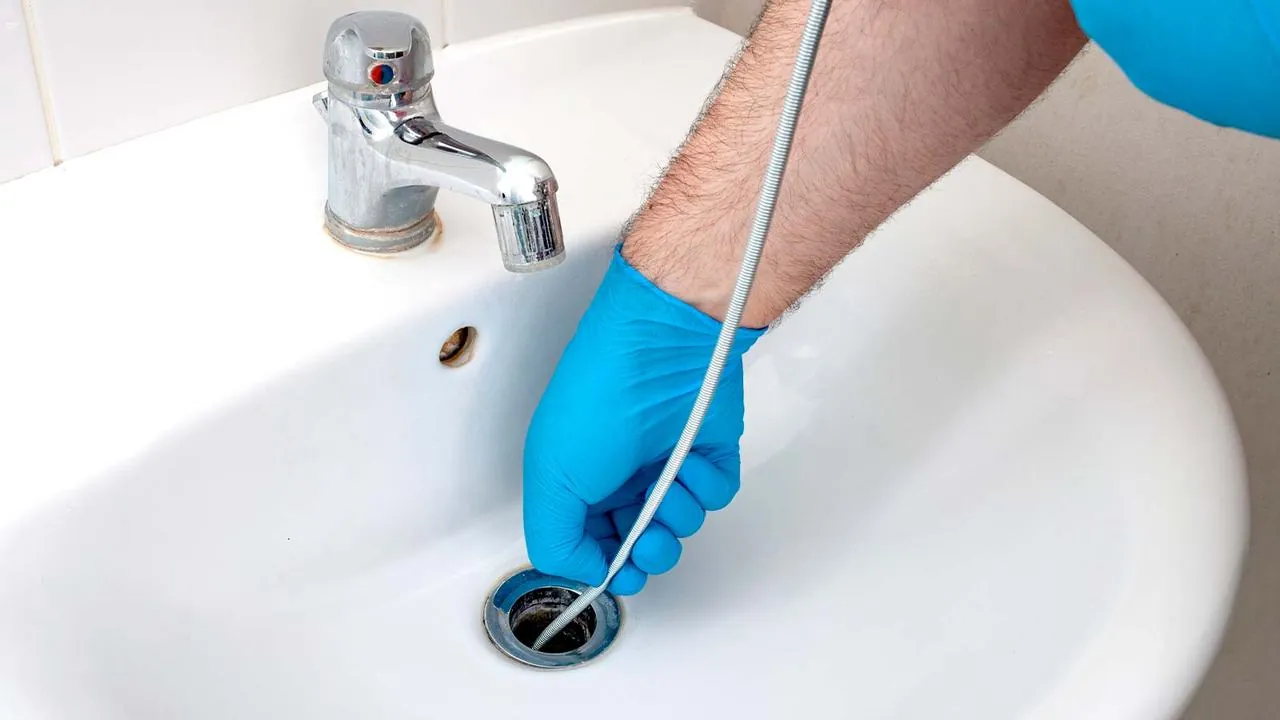
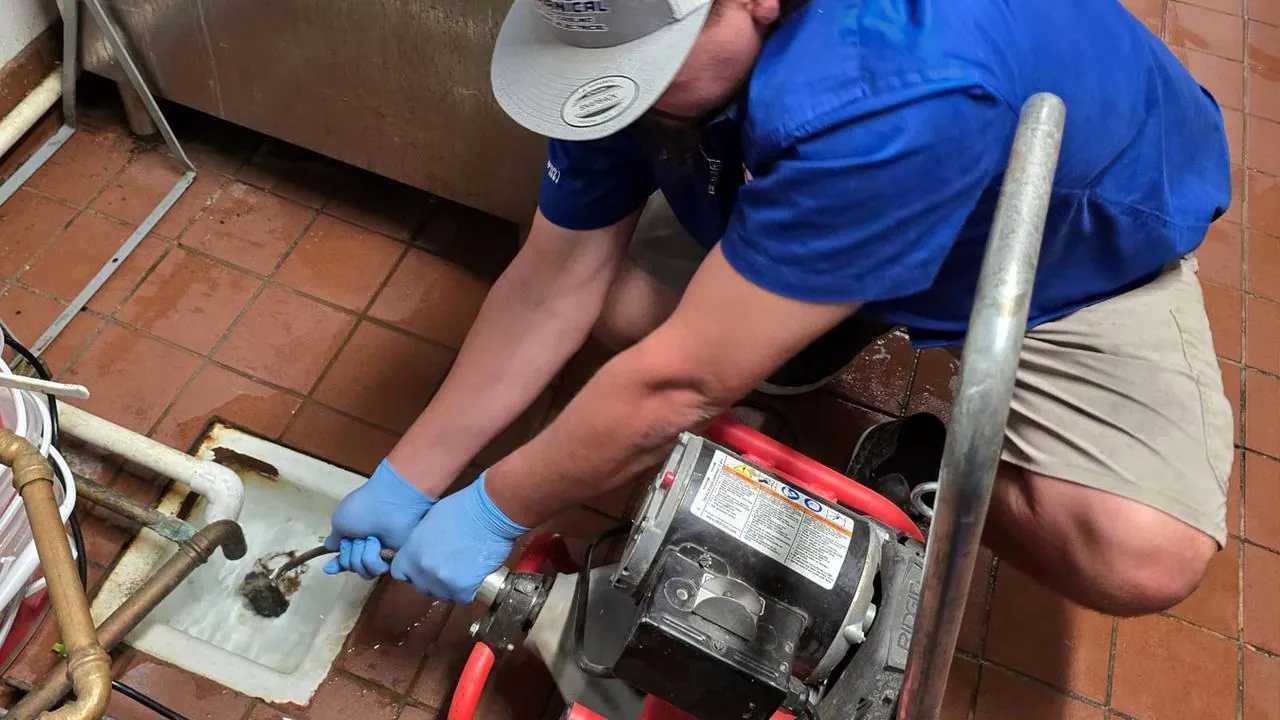
Drain snakes, also called augers, consist of flexible metal coils that feed through pipes to break up or retrieve obstructions. Handheld drain snakes work well for minor clogs in sinks and showers, making them ideal for DIY enthusiasts. Motorized drain snakes provide more power for larger blockages but remain in professional territory most of the time.
A wet-dry vacuum configured for wet use can pull clogs through suction. Wire coat hangers, straightened with a small hook left at one end, retrieve objects dropped down drains or pull out hair clogs. Drain screens and catchers prevent debris from entering your drainage system in the first place.
When to Use Each Tool
Start with a plunger for simple, shallow clogs when you notice slow drainage or minor blockages. Plungers provide quick fixes for surface-level issues without requiring extensive preparation. The repeated plunging motion generates enough pressure to dislodge most common clogs.
Reach for a drain snake when plunging fails or when blockages sit deep within pipes. Snakes prove useful for solid obstructions too stubborn for suction alone. A drain snake clears the buildup causing repeated problems if you experience recurring clogs in the same location.
Wire hangers work best for visible clogs near the drain opening, especially hair accumulation in bathroom sinks and showers. Matching your tool to the clog type and location determines your success rate.
How to Unclog Drains with Baking Soda and Vinegar
Baking soda and vinegar create a chemical reaction that breaks through minor drain blockages. It's the most popular natural drain cleaning method. Here's the exact process.
Step-by-Step Instructions
Remove any standing water from your sink or tub using a bucket or cup before starting. Pour one cup of baking soda into the drain opening. Follow with one cup of white or apple cider vinegar. The mixture will bubble and fizz.
Cover the drain opening with a stopper, plug, or even a plate. This keeps the reaction contained inside your pipes and boosts the foaming action's effectiveness. Let the mixture sit for 15 to 30 minutes. Do not use the sink during this time.
Boil a pot or kettle of water while you wait. Once the waiting period ends, remove the cover and pour the boiling water down the drain. If you have PVC drain pipes, use very hot tap water instead — boiling water can soften PVC joints. Run hot tap water to check drainage. If water still drains slowly, repeat the process.
Stubborn clogs may need two or three attempts before you see results. Some homeowners add a squirt of grease-fighting dish soap before pouring the boiling water. This provides extra cleaning power.
Why This Method Works
Baking soda is sodium bicarbonate, a base. Vinegar contains water and acetic acid, which is an acid. Combine these ingredients and molecules get exchanged. This creates carbon dioxide and water that bubbles through the clog. The fizzing reaction helps loosen sticky drain debris.
Drainage pipes aren't pressurized like water supply lines, so they rely on gravity. Flushing with hot water afterward helps carry the loosened buildup away. The bubbling action agitates materials stuck to pipe walls and breaks them into smaller pieces that wash away.
Best Applications for This Technique
This method works best on partially clogged drains and minor blockages. If water still drains but moves slowly, baking soda and vinegar can resolve the issue.
Use this approach for regular monthly maintenance to prevent clogs from forming. Drains just starting to accumulate debris respond well to this treatment. For example, bathroom sinks with light soap scum buildup or kitchen drains with minor grease deposits benefit most.
Completely clogged drains require professional help. This method lacks the strength to dissolve heavy blockages caused by compacted hair, thick grease, or deep soap scum accumulation. If your drain shows no movement after two attempts, contact Nichols for professional drain unclogging services rather than continuing DIY efforts.
Other Safe DIY Methods to Unclog Drains
Several alternative methods expand your drain unclogging options beyond the standard baking soda and vinegar approach. Each technique targets specific clog types and gives you flexibility based on what you have at home.
Salt and Boiling Water Method
Salt acts as a natural scouring agent that scrubs the inside of your pipes and removes more material than hot water alone. Pour about half a cup of table salt down the drain after removing standing water. Let it sit for five minutes before boiling a kettle of water. The salt particles abrade grease and soap residue stuck to pipe walls as hot water carries them away.
This method works well on grease or soap clogs. The hot water softens soap and light grease residue while the salt scrubs it loose. Tougher blockages respond to a mixture of half a cup of baking soda with half a cup of salt. Pour the mixture down the drain and let this abrasive combination sit for several hours before flushing with hot water.
Lemon Juice for Drain Cleaning
Lemon juice provides a fresh-smelling alternative to vinegar while delivering similar drain cleaning power. Start by pouring boiling water down the drain to loosen existing buildup. Add about 8 ounces of baking soda, then follow with lemon juice. The lemon juice and baking soda react to create a foaming action that helps clear clogs. Flush the drain with boiling water afterwards to remove any remaining residue.
Wire Hook or Drain Snake Technique
Straighten a wire coat hanger and bend one end into a hook no more than half an inch wide. Push the hook down the drain until you hit resistance. Twist the wire in a circular motion, then pull it back to capture hair clogs or foreign objects blocking the drain. Repeat this process several times and go deeper each time. This technique proves effective for bathroom sink and shower drain clogs caused by hair accumulation.
Plunger Method for Stubborn Clogs
Cup plungers with flat rubber cups and short handles work best for sink unclogging. Fill the sink with enough water to submerge the plunger bell. Seal off the second side with a wet cloth first if you have a double sink. Place the plunger over the drain and pump vigorously 15 to 20 times. Flush the drain with warm water when you hear the suction sound clear the clog.
Prevention Tips to Keep Your Drains Clear
Preventing clogs saves you from future drain unclogging efforts and protects your plumbing system. These simple habits help keep drains clear.
Use Drain Screens and Catchers
Drain screens act as your first line of defense against clogs. They trap hair, food particles and debris before they enter your pipes. Stainless steel models offer superior durability and rust resistance. Silicone types flex to fit drains of unusual shapes. Fine mesh varieties in bathrooms trap hair and scum. Empty and wash your drain screens often, as buildup creates slow drainage or unpleasant odors over time.
Avoid Pouring Grease Down Drains
Grease solidifies as it cools and forms blockages inside your pipes. Pour leftover grease into a container to dispose of properly, never down the drain. Scrape food scraps into trash or compost bins. Hot water with grease only moves it farther down the sewer line where it cools and coats pipes.
Regular Maintenance Schedule
Build drain checks into your weekly chores. Inspect sinks, tubs and shower drains for slow drainage or unpleasant odors. Hot water down the drain after each use washes away small debris.
What Not to Put Down Your Drains
Coffee grounds clump together and form dense obstructions. Fibrous foods like rice, pasta and potato peels clog pipes. Flushable wipes don't break down in water. Paint and solvents corrode pipes and harm the environment.
Conclusion
Safe drain unclogging methods protect your plumbing and health better than harsh chemical cleaners. Baking soda and vinegar, salt with boiling water, or simple plungers handle most minor blockages. Weekly checks, drain screens and proper disposal habits prevent clogs before they form. These natural approaches save you money on repairs while keeping your pipes in good condition. Completely blocked drains, though, need professional help — Nichols handles everything from routine drain cleaning to emergency unclogging.
Key Takeaways
Master these safe, effective drain unclogging methods using common household items to protect your plumbing and avoid costly chemical damage.
• Baking soda and vinegar create powerful fizzing action - Mix 1 cup each, cover drain for 15-30 minutes, then flush with boiling water to break through minor clogs naturally.
• Chemical drain cleaners cause expensive pipe damage - They generate heat that cracks toilets, corrodes metal pipes, and softens PVC while posing serious health risks to families and pets.
• Prevention beats repair every time - Install drain screens, avoid pouring grease down drains, and run hot water after use to prevent most blockages from forming.
• Match your method to the clog type - Use plungers for shallow blockages, wire hooks for hair clogs, and salt with hot water for soap and light grease buildup.
• Know when to call professionals - If drains remain completely blocked after two DIY attempts, contact experts to avoid causing further damage to your plumbing system.
These natural methods not only save money on repairs but also protect your family's health and the environment from toxic chemical exposure.
FAQs
Q1. Can baking soda and vinegar really unclog a drain, or is it just a myth? Yes, baking soda and vinegar effectively unclog drains through a chemical reaction. When combined, the sodium bicarbonate (baking soda) and acetic acid (vinegar) create carbon dioxide bubbles that physically agitate and loosen debris stuck to pipe walls. This method works best on minor blockages and slow-draining sinks, though completely blocked drains may require professional assistance.
Q2. Why are chemical drain cleaners bad for my plumbing? Chemical drain cleaners generate intense heat that can crack toilets, soften PVC pipes, and corrode metal pipes. They contain acids that don't discriminate between clogs and pipe walls, often concentrating on small sections and causing irreversible damage. These cleaners also eat away at sink enamel, melt pipe glue, and accelerate corrosion in older pipes, leading to costly leaks and repairs.
Q3. What household items can I use to unclog a drain naturally? Common household items for natural drain unclogging include baking soda, white vinegar, table salt, lemon juice, boiling water, and dish soap. You can also use basic tools like plungers, straightened wire coat hangers, and drain snakes. These items work through physical and chemical actions to break down clogs without damaging your pipes or harming the environment.
Q4. How can I prevent my drains from getting clogged in the first place? Install drain screens or catchers to trap hair and debris before they enter pipes. Never pour grease down drains, as it solidifies and creates blockages. Scrape food scraps into the trash, run hot water after each use, and perform weekly drain inspections. Avoid putting coffee grounds, fibrous foods, flushable wipes, or paint down your drains.
Q5. When should I stop trying DIY methods and call a professional plumber? Call a professional if your drain remains completely blocked after two DIY attempts, as continuing could cause further damage. Recurring clogs in the same location, multiple clogged drains simultaneously, or sewage backup also require professional expertise. Deep blockages, heavy grease accumulation, or compacted debris often need specialized equipment like motorized drain snakes or hydro-jetting services.