Every homeowner should understand how HVAC systems work, especially since your HVAC system is one of the most important components of your home. This system handles heating, cooling, ventilation and maintains air quality throughout your space year-round. In this guide you'll learn HVAC basics, including the parts of an HVAC system, how an HVAC unit works in heating and cooling modes, common residential system types, and maintenance tips to keep your system running efficiently.
What Is HVAC? Understanding the Basics
The Meaning of HVAC
HVAC stands for Heating, Ventilation, and Air Conditioning. Each letter represents a distinct but interconnected function within your home. The heating component warms your indoor spaces during cold months, while air conditioning cools them when temperatures rise. Ventilation, often the most overlooked part, exchanges indoor and outdoor air to maintain healthy air quality.
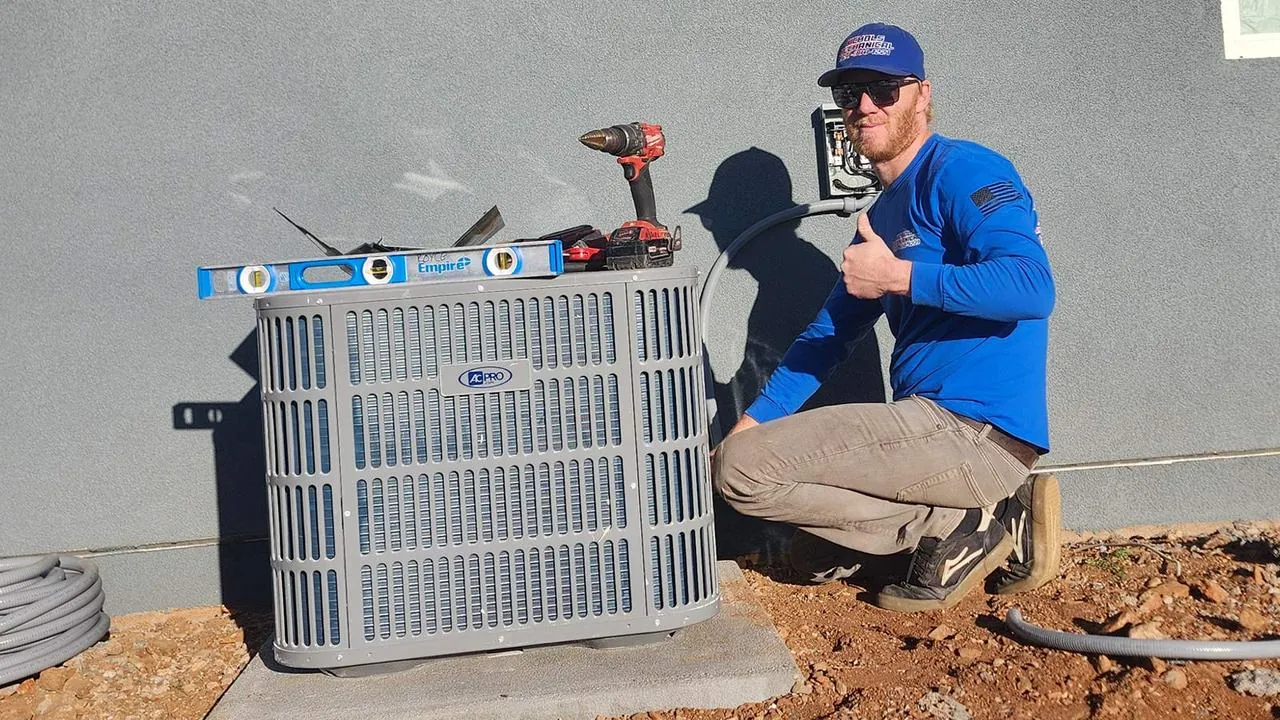
Your HVAC system moves warm and cold air through your home's ductwork or through an indoor unit in ductless configurations. This system covers multiple units and parts installed both inside and outside your home that work together to meet your temperature and comfort needs throughout the year. You're not dealing with a single appliance but rather an integrated network of equipment designed to condition the air you breathe.
Why Your HVAC System Matters
Your HVAC system plays a major role in your overall home environment and health beyond temperature control. The air conditioning component removes excess moisture from the air as it cools and helps manage humidity levels during summer months. Proper humidity control prevents mold growth and creates a more comfortable living space.
Indoor air quality represents another key function of your HVAC system. As air circulates through the system, filters trap dust, allergens, pet dander, and other airborne pollutants before they cycle back into your living spaces. The ventilation component works to remove odors, manage carbon dioxide levels, and control moisture. It also helps remove other pollutants that can affect respiratory health.
Beyond that, your HVAC system provides thermal comfort year-round while improving the air you breathe. Air filtration and ventilation work together to create healthier indoor conditions for you and your family. A well-maintained system operates quietly and adds to your home's peaceful environment rather than disrupting it.
How All Components Work Together
Your heating and cooling systems don't operate on separate tracks. Forced-air central systems use both functions to share components including the blower fan, ductwork, registers, and air filter. This integrated design means routine maintenance benefits both your heating and cooling performance.
The process starts when a powerful fan draws household air into the equipment. Once conditioned, whether heated or cooled, the same fan blows the air through supply ducts throughout your house. Supply vents or registers then deliver this conditioned air to each room. That same fan draws spent air back through return registers and ducts and routes it to the HVAC equipment to be heated or cooled all over again.
Your HVAC equipment recirculates indoor air. Air within your home is drawn into the HVAC equipment, where it undergoes heating or cooling, passes through filtration, and returns to your living space. This cycle maintains consistent temperature and air quality. Systems equipped with whole-house air-cleaning equipment benefit both cooling and heating operations in similar ways.
The Main Parts of an HVAC System
Every residential HVAC system contains several key parts that must work properly to provide heating and cooling. Knowing these components helps you understand how HVAC systems work and communicate better with technicians when service needs arise.
Thermostat
Your thermostat acts as the control center for the entire HVAC system. This device monitors indoor temperature and adjusts the system so it maintains your desired comfort level. The thermostat triggers the air conditioner to cool the space when temperature rises above your set point. If temperature falls below the set point, it activates the heating system to warm the area.
Modern programmable thermostats allow you to set schedules, which optimizes energy usage and reduces utility bills. The thermostat functions as a switch connected to a temperature sensor rather than a throttle. It turns the system on and off as needed to maintain your desired temperature.
Furnace
The furnace handles the heating function by pulling cool indoor air into the unit, heating it and redistributing the warmed air back into rooms through ductwork. Most furnaces run on natural gas, propane or electricity. Gas mixes with air inside a burner and ignites inside the combustion chamber with a natural gas forced-air heating system.
A blower pulls cool air through ducts, and this air gets heated by passing over a heat exchanger connected to the combustion chamber. The heat exchanger transfers heat from fuel to the circulating air and makes it the heart of your heating system. Exhaust gasses from the burners vent outside through a flue or side wall vent.
Air Conditioner
Air conditioners include several key components that work together to cool your home. The main parts are the evaporator, condenser, expansion valve and compressor. The evaporator removes heat and moisture from indoor air, then circulates cool, dry air back into the room. Warm air from your home gets drawn into the unit and blown over cool evaporator coils, which extract the heat.
The compressor squeezes low-pressure refrigerant vapor into a hot, high-pressure gas. The expansion valve sits between the condenser and evaporator and drops the refrigerant’s pressure, which cools it sharply before it enters the evaporator.
Heat Pump
A heat pump transfers thermal energy from one space to another using mechanical energy. It moves heat from the cool outdoors to warm your house during winter. During summer, it moves heat from the house to the warmer outdoors. Because it transfers rather than generates heat, it's more energy-efficient than heating by gas boiler.
Heat pumps include a reversing valve that switches the direction of refrigerant through the cycle and allows the system to deliver either heating or cooling. A heat pump can move several units of heat into a building for each unit of electricity it uses.
Evaporator and Condenser Coils
The evaporator coil sits inside the indoor unit and absorbs heat from indoor air. Refrigerant passes through this coil and undergoes a phase change from liquid to gas, absorbing heat from surrounding air and cooling it down. The refrigerant circulating through copper tubes in the coil exists as a cold vapor around 40 degrees.
The condenser coil sits in the outdoor unit and releases the heat absorbed by the evaporator coil. Hot gaseous refrigerant flows through the condenser coil and releases absorbed heat to the outside environment, causing the refrigerant to condense back into liquid form.
Blower Motor
The blower motor powers your system's blower fan and forces conditioned air through the duct system and out through vents in rooms throughout the house. The blower motor pushes air into your home's ductwork once the system heats or cools it, which delivers the air into individual rooms. This motor runs year-round, whether hot or cold outside, and keeps conditioned air moving throughout your home. Variable-speed motors run at various lower speeds to continue air circulation, making them more energy-efficient and creating more consistent temperatures compared to single-speed motors.
Ductwork and Vents
Ductwork pulls warmer or cooler air in and blows the heated or cooled air back out throughout the house. The supply ductwork delivers hot and cold air to each part of the home and connects to the large sheet metal supply plenum, which connects to the air handler. The main part of supply ductwork is the trunk duct, with smaller branch ducts connecting to the trunk.
Each branch duct connects to one or more supply vents where air blows out. The return air ductwork draws air into the system for heating or cooling. Return vents pull used air back to the return air plenum, which connects to the furnace and air handler where the air filter is located.
How Does an HVAC Unit Work? The Complete Process
Your HVAC system operates through distinct cycles depending on whether you need heating or cooling. Both processes involve multiple phases that work together to condition the air in your home.
How the Heating Cycle Works
The heating cycle begins when your thermostat detects that indoor temperature has dropped below your set point and sends a signal to the furnace control board. The control board activates the draft inducer fan, which pulls air through the combustion chamber to supply oxygen to the burners and direct combustion gasses into flue pipes for safe venting. The ignition phase starts after the draft inducer reaches full speed.
Modern systems use an electronic ignition that sparks on demand, while older systems use a standing pilot light. The gas valve opens after the igniter is ready, and gas flows over the igniter to light the burners inside the combustion chamber. A limit switch near the burners monitors the temperature inside the combustion chamber. The control board signals the blower motor to start when it reaches the proper heat level.
Air flows over the heated combustion chamber walls with the blower motor running and gets directed to your supply ducts. Air from your rooms returns through return vents back to the furnace to be heated again. This cycle continues until the thermostat registers that your desired temperature has been reached.
How the Cooling Cycle Works
The cooling cycle relies on the refrigeration process, which requires four fundamental components: the compressor, condenser, expansion valve, and evaporator. The compressor serves as the heart of your cooling system. It's located in the outdoor unit where it pressurizes and circulates refrigerant. Refrigerant enters the compressor as a low-pressure gas, gets compressed into a high-pressure heated gas, and moves through the discharge line to the condenser.
The condenser is also located in the outdoor unit. The refrigerant releases heat into the outside air and condenses from a hot gas into a liquid. The high-pressure liquid then reaches the expansion valve, which restricts fluid flow and lowers pressure before the refrigerant enters the evaporator. This pressure drop cools the refrigerant sharply, much like a can of compressed air turns cold when you spray it.
The liquid refrigerant enters the evaporator coil inside your home, where it absorbs heat from indoor air and turns back into a gas. The heated gas then returns to the compressor, and the refrigeration cycle starts again.
The Role of Refrigerant
Refrigerant does the hard work of absorbing heat from indoor spaces and releasing it elsewhere, making comfortable indoor temperatures possible. This chemical transfers heat through state changes as it moves through the closed-loop system. During cooling, refrigerant absorbs heat from indoor air as it evaporates at low pressure, then gets compressed to raise its temperature before releasing heat outdoors as it condenses back into liquid.
Refrigerant pressure increases with temperature rise and decreases with temperature drop. R410a at 72°F has a pressure of 207.7 PSI, but when the temperature increases to 80°F, the pressure rises to 235.7 PSI. The refrigerant's boiling point, called saturation, is where it exists as both liquid and vapor at the same time. After compression, the refrigerant is well above the outdoor temperature, making it hot enough to release absorbed heat to the cooler outdoor air.
Heat pumps can reverse refrigerant flow to provide heating by pulling heat from outdoor air and releasing it inside. Because they move heat instead of generating it, heat pumps are far more efficient than electric resistance heating.
Step-by-Step: What Happens When You Adjust Your Thermostat
Your thermostat compares your new setting against the current indoor temperature when you adjust it. The thermostat sends a signal to the furnace control board if heating is needed, initiating the draft inducer phase, followed by ignition, and air distribution through your ductwork. The furnace continues running heat cycles until the indoor temperature reaches your set number.
The thermostat triggers the outdoor compressor to start the refrigeration cycle for cooling. The compressor pressurizes refrigerant and sends it through the condenser where it releases heat, then through the expansion valve where it cools faster, and to the evaporator where it absorbs indoor heat. Cooled air circulates through your home by the time the cycle completes, and the process repeats until your thermostat is satisfied.
Common Types of HVAC Systems for Residential Buildings
Homes use several distinct HVAC configurations. Each suits different needs and home layouts.
Split System (Air Conditioner and Furnace)
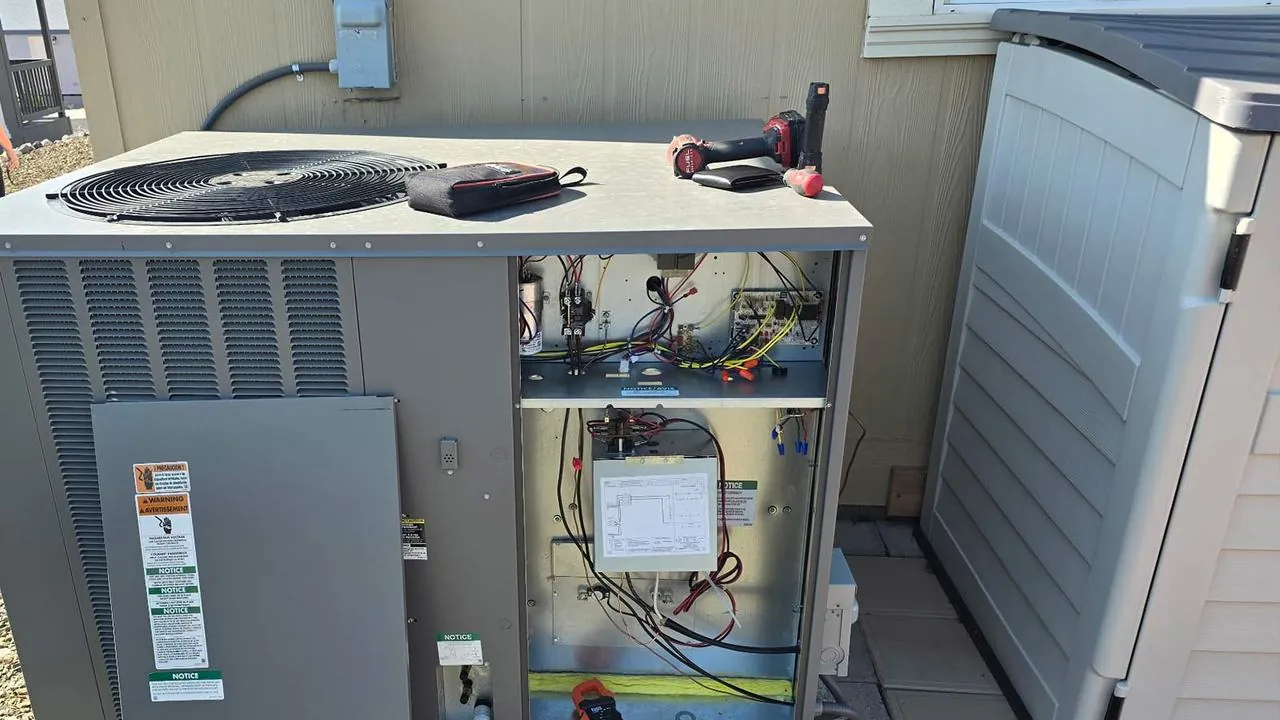
Split systems separate components between outdoor and indoor units connected by copper tubing. The outdoor unit houses the compressor and condenser. The indoor unit contains the evaporator coil and air handler that distributes conditioned air through existing ductwork. This configuration represents the most common residential setup and pairs an air conditioner with either a gas furnace or electric air handler for year-round comfort.
Heat Pump System
Heat pump systems transfer thermal energy rather than generating it. They move heat from outdoors inside during winter and reverse the process for summer cooling. These systems use much less electricity for heating than electric resistance heating. Heat pumps work best in moderate climates and connect to existing ductwork like split systems.
Ductless Mini-Split System
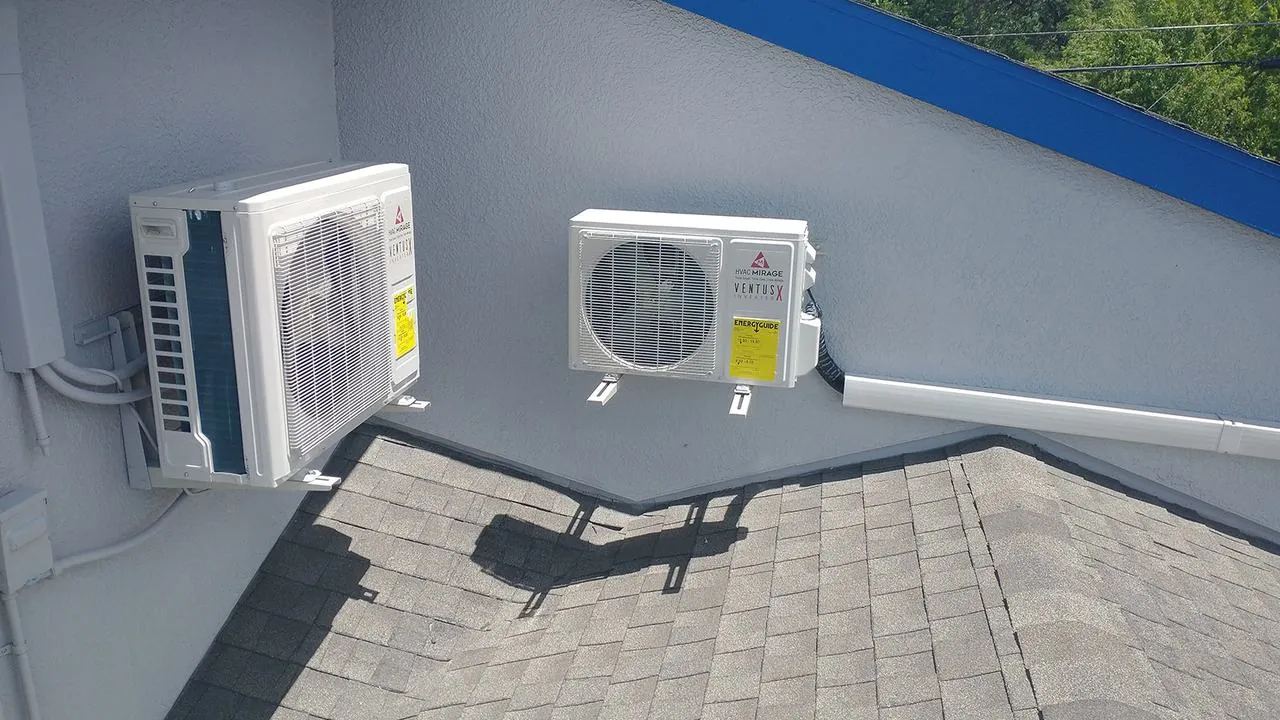
Ductless mini-splits feature wall or ceiling-mounted indoor units connected to an outdoor compressor without requiring ductwork. These systems avoid energy losses associated with ductwork, which can account for more than 30% of energy consumption in central forced air systems. Mini-splits excel in room additions, homes without existing ducts, or when you need independent temperature zones.
Hybrid System
Hybrid systems combine an electric heat pump with a gas furnace. The system switches between them based on outdoor temperature and efficiency. The heat pump handles heating in milder weather, and the furnace takes over when it gets colder outside. This dual-fuel approach maximizes efficiency across varying weather conditions.
Keeping Your HVAC System Running Efficiently
Regular Maintenance Tasks
Schedule professional inspections at least once per year to keep your system running correctly. Contractors should perform annual pre-season check-ups, checking the cooling system in spring and heating system in fall. Check filters monthly and replace disposable filters every 1-3 months. Homes with pets, allergies or high dust levels need more frequent changes. Vacuum air intake vents to remove dust buildup and make sure furniture doesn't block airflow through registers.
Signs Your System Needs Attention
Unusual noises such as banging, grinding or squealing indicate loose or broken components. Weak or inconsistent airflow suggests clogged filters, duct issues or failing blower motors. High energy bills without increased usage signal inefficiency from dirty filters, aging components or mechanical problems. Water pooling around your unit indicates clogged drains, refrigerant leaks or failing pumps. Uneven temperatures between rooms point to ductwork issues, improperly sized systems or malfunctioning thermostats. Strange odors require attention right away, as musty smells indicate mold while burning odors suggest electrical issues.
Energy-Saving Tips for Homeowners
Set your thermostat closer to outside temperature so your system doesn't work as hard. Seal gaps around doors and windows with weatherstripping and caulking to prevent HVAC-treated air from escaping. Properly sealed ducts also improve efficiency. Regular maintenance keeps systems operating at peak efficiency and prevents small issues from becoming major problems.
Conclusion
You can maintain your HVAC system properly and communicate with service professionals when you understand how it works. The knowledge you've gained here covers HVAC basics from thermostats to ductwork, heating and cooling cycles, and the different system types available for residential buildings. Recognizing early when your system needs attention helps you prevent costly breakdowns and keep your home comfortable year-round.
Nichols can complete any installation, repair, or maintenance work your HVAC system requires. Regular professional service combined with your newfound understanding will keep your system running for years to come.
Key Takeaways
Understanding your HVAC system helps you maintain it properly, communicate with technicians, and prevent costly breakdowns while keeping your home comfortable year-round.
• HVAC systems integrate heating, ventilation, and air conditioning to control temperature, humidity, and air quality through shared components like ductwork and blowers.
• Key components include the thermostat (control center), furnace/heat pump (heating), air conditioner (cooling), evaporator/condenser coils, and blower motor for air circulation.
• Heating cycles ignite fuel to warm air through heat exchangers, while cooling cycles use refrigerant to absorb indoor heat and release it outdoors.
• Common residential systems include split systems (separate indoor/outdoor units), heat pumps (energy-efficient heat transfer), ductless mini-splits, and hybrid dual-fuel systems.
• Regular maintenance like filter changes, annual professional inspections, and sealing air leaks can improve efficiency and extend system life.
Proper HVAC knowledge combined with professional maintenance ensures optimal performance, energy savings, and reliable comfort throughout all seasons.
FAQs
Q1. How does an air conditioner actually remove heat from my home? An air conditioner works by using refrigerant that absorbs heat from indoor air as it evaporates in the evaporator coil. The refrigerant then carries this heat outside where it's released through the condenser coil. Think of it like a sponge that soaks up heat inside your home, travels outside to get wrung out, and then returns to repeat the process continuously until your desired temperature is reached.
Q2. What's the most common component that fails in HVAC systems? The capacitor is one of the most frequently failing components in HVAC systems. These small, cylinder-shaped parts are found in both indoor and outdoor units and are essential for starting motors and keeping them running. Regular maintenance can help identify capacitor issues before they cause complete system failure.
Q3. How do I know if I should repair or replace my HVAC system? A common rule of thumb: multiply your system's age by the estimated repair cost. If the result is more than the cost of a new system, replacement usually makes more sense. System age, efficiency, and how often it needs repairs also matter.
Q4. Can the same HVAC system provide both heating and cooling? Yes, most residential HVAC systems share key components like the blower fan, ductwork, and air filter for both heating and cooling functions. Heat pumps can even reverse their operation to provide heating in winter and cooling in summer by simply changing the direction of refrigerant flow, making them highly efficient year-round comfort solutions.
Q5. What regular maintenance should I perform on my HVAC system? Check and replace air filters every 1-3 months, with more frequent changes if you have pets or allergies. Schedule professional inspections at least once annually—ideally checking your cooling system in spring and heating system in fall. Additionally, vacuum air intake vents regularly and ensure furniture doesn't block airflow through registers to maintain optimal efficiency.