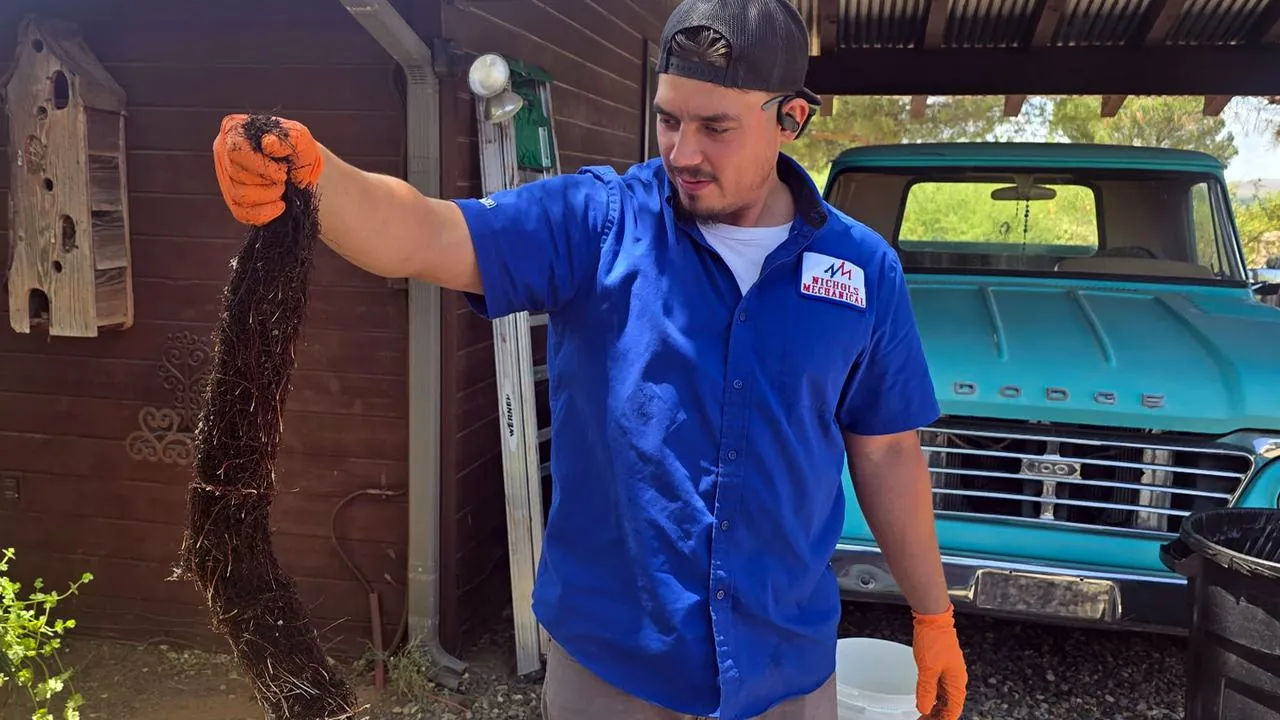
In the arid landscapes of the Verde Valley, Sedona, and Prescott, life is a constant search for moisture. While homeowners see the majestic beauty of a desert willow or the sprawling shade of a mesquite tree, beneath the surface, a silent and aggressive battle is being waged. Desert vegetation has evolved over millennia to survive extreme droughts by developing incredibly sensitive and far-reaching root systems.
These roots can sense the microscopic levels of condensation on the outside of a buried pipe or the faint vapor escaping from a loose joint. Once they find a source, they don't just drink; they invade. For many homeowners, the first sign of trouble isn't a puddle in the yard, but a subtle change in how their home functions.
Understanding the threat of root intrusion is essential for anyone living in the Southwest, where the soil is often packed with caliche and moisture is a rare commodity. At Nichols Plumbing, Electrical, & HVAC, we have spent years excavating and repairing lines that have been completely throttled by these subterranean invaders.
The damage is often hidden until it becomes a catastrophic failure, leading to costly emergency repairs and property damage. This guide is designed to help you identify the early warning signs that your underground infrastructure is under attack. By learning what to look for, you can intervene before a simple cleaning turns into a full-scale sewer line replacement.
We believe that an educated homeowner is a prepared one, and in a climate as demanding as ours, staying one step ahead of nature is the only way to protect your investment. From the way your toilets flush to the health of your lawn, the clues are there if you know how to read them.
Let's explore how the desert's natural survival mechanisms can become your plumbing system's greatest enemy and what you can do to defend your home.
The Biology of Invasion: Why Desert Roots Target Your Pipes
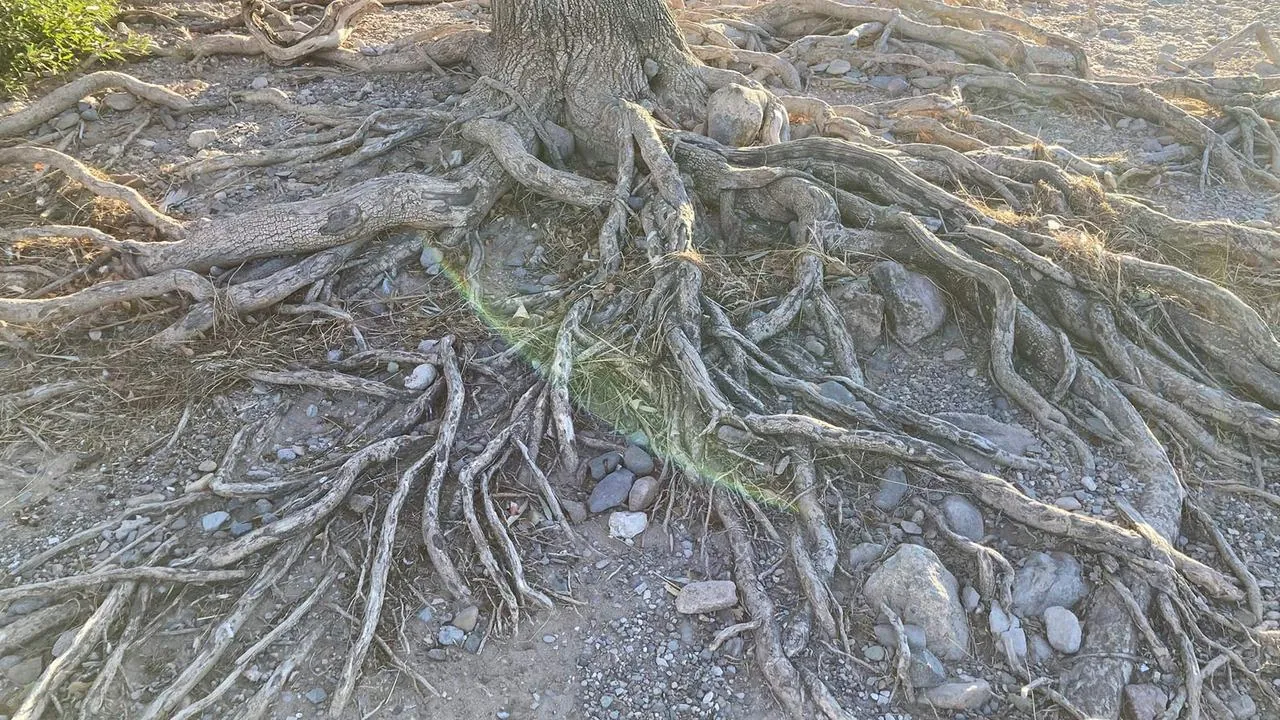
To understand why your plumbing is at risk, you have to look at the biology of Arizona’s native flora. In a region where rainfall is sparse and sporadic, trees like mesquite, cottonwood, and various species of oak have developed "hydrotropism"—the growth of plant roots toward moisture. Your underground sewer and water lines are essentially a constant, climate-controlled oasis in an otherwise brutal environment.
Even a perfectly installed pipe can develop "sweat" due to temperature differentials between the warm wastewater and the cool earth. This tiny amount of moisture is enough to attract a hair-like feeder root. Once that root finds a microscopic crack or a slightly offset joint in a clay or cast-iron pipe, it enters the system.
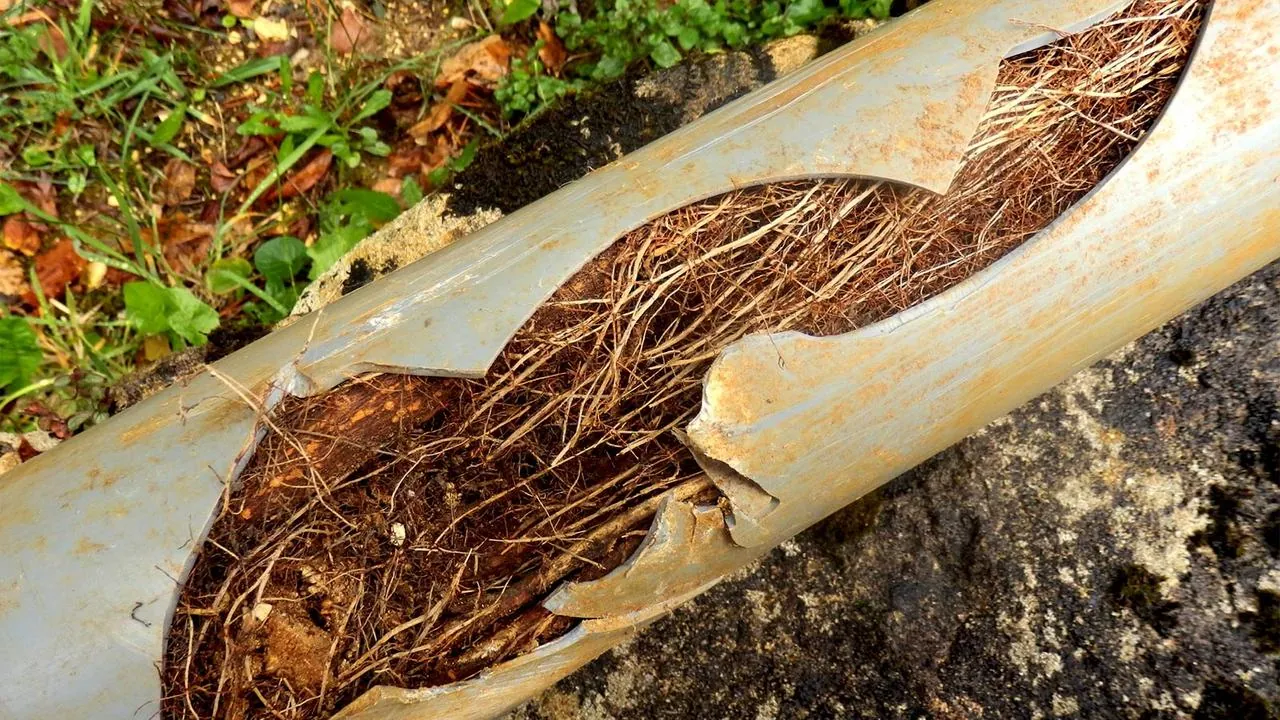
Once inside, the environment is perfect: it is dark, moist, and filled with the nutrients (nitrates and phosphates) that plants crave. What starts as a single fiber quickly multiplies into a dense, woody mass that acts like a net, catching grease, toilet paper, and debris. This process of root intrusion is relentless.
As the roots grow larger, they exert enough mechanical pressure to crack PVC or shatter older clay pipes. Some older homes in the area still have their original Orangeburg or clay tile pipes. These materials are particularly vulnerable because they are porous or have frequent joints every few feet. Even modern seamless pipes aren't entirely immune if there is an existing leak or a structural failure.
At Nichols Plumbing, Electrical, & HVAC, we often explain to our customers that a tree doesn't need to be right on top of the line to be a threat. A thirsty mesquite can send roots out two to three times the width of its canopy in search of a drink.
This means the beautiful tree in your neighbor's yard could be the very thing causing your guest bathroom to back up. Understanding this biological drive helps homeowners realize that root issues aren't a sign of "bad plumbing," but rather a natural consequence of living in a beautiful but thirsty desert environment.
Warning Signs: Is Your Home Under Attack?
- Recurring Clogs in Multiple Drains: If you find yourself reaching for the plunger every other week for different toilets or sinks, it’s rarely a coincidence; it’s likely a blockage in the main line.
- Gurgling Noises from the Toilet: That strange "glug-glug" sound after you flush or while the shower is draining is air being trapped by a root mass further down the line.
- Slow Drains Throughout the House: Unlike a localized clog in a P-trap, a root-infested main line will cause every drain in the home to move sluggishly, regardless of how much liquid cleaner you use.
- Unexplained "Green Spots" in the Yard: If one patch of your lawn or desert landscaping is suddenly much greener or growing faster than the rest, it may be feeding on a leaking pipe through root intrusion.
- Sinkholes or Soft Spots: When roots break a pipe, the escaping water can wash away the surrounding soil, creating dangerous voids or depressions in your yard or under your driveway.
- Sewer Odors Inside or Outside: A cracked pipe allows sewer gases to escape. If you smell "rotten eggs" near your foundation or in your yard, the structural integrity of your line has likely been compromised.
- Backups in Low-Lying Fixtures: Water appearing in your shower or floor drain when you run the washing machine is a classic sign that the main exit point is restricted by a root "nest."
- A Sudden Increase in Water Bills: While roots mostly target sewer lines, they can also attack freshwater mains. If your bill spikes without an increase in usage, a root-damaged pipe might be leaking underground.
- Presence of Large Trees Near Pipe Paths: If you have Willow, Cottonwood, or Mulberry trees within 30 feet of your sewer line, the risk of root interference goes up.
- Structural Shifts in Paving: Roots thick enough to clog a pipe are also thick enough to lift pavers, crack concrete walkways, or shift the soil around your home's foundation.
The Danger of DIY: Why Chemicals Often Fail
When faced with a slow drain, the instinct for many is to head to the hardware store for a bottle of "root killer" or a heavy-duty chemical opener. However, in the context of Arizona's deep-rooted desert trees, these DIY methods are often like bringing a toothpick to a swordfight. Most over-the-counter chemical foams are designed to kill the small feeder roots they touch, but they rarely address the structural damage already done to the pipe.
Furthermore, these harsh chemicals can be incredibly hard on your plumbing. Frequent use of acidic or highly alkaline cleaners can accelerate the corrosion of cast-iron pipes or weaken the seals in PVC joints. More importantly, these chemicals are a temporary band-aid on a permanent problem. If the roots have already compromised the pipe, killing the "hair" inside doesn't fix the hole they used to get in.
New roots will simply follow the same path within a few months. Professional diagnosis from Nichols Plumbing, Electrical, & HVAC is the surest way to ensure the problem is solved at the source. We use high-definition sewer cameras to see exactly what is happening underground. This allows us to distinguish between a simple grease clog and a full-blown root infestation.
Attempting to "snake" a line yourself can also be dangerous; if a manual snake gets caught in a thick root mass, it can become stuck, requiring an even more expensive excavation to retrieve the tool. Modern professional equipment, like hydro-jetting, uses high-pressure water to literally "scrub" the pipe walls clean, removing the roots and the debris they’ve caught without damaging the pipe itself.
By relying on professional expertise, you avoid the cycle of temporary fixes and protect the long-term health of your home’s waste system.
The Power of Hydro Blasting: Scouring Your Pipes Clean
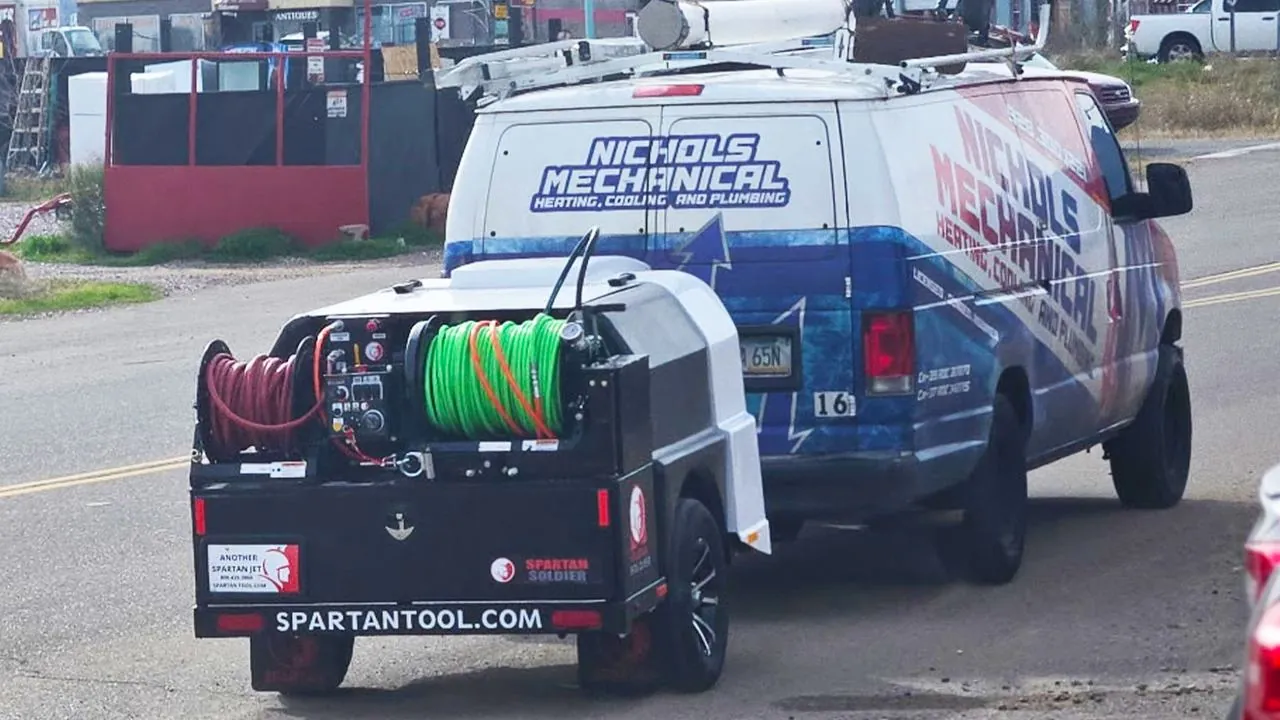
While traditional drain snaking involves using a metal cable to punch a hole through a clog, hydro blasting (often referred to as hydro-jetting) provides a much more comprehensive solution. Think of it as a high-pressure car wash for the inside of your plumbing system. Using specialized equipment that pressurizes water up to 4,000 PSI, this process sends a heavy-duty stream through a multi-directional nozzle to blast away years of accumulated sludge, grease, and mineral scale.
In the Verde Valley, where hard water is a constant struggle, mineral buildup can narrow the diameter of your pipes over time, making them much more susceptible to clogs. Hydro blasting is one of the most effective non-invasive ways to "scrub" these deposits off the pipe walls, restoring them to near-original condition.
Furthermore, this technique is incredibly effective at dealing with root intrusion. The force of the water is strong enough to shear off the woody fibers of desert roots that have found their way into your sewer line, flushing the debris out to the municipal main. Because it uses only water, it is an environmentally friendly alternative to harsh chemical cleaners that can damage your pipes and the local groundwater.
At Nichols Plumbing, Electrical, & HVAC we utilize hydro-jetting as a preventative maintenance tool as well as an emergency fix. By thoroughly cleaning the entire length of the pipe rather than just clearing a small opening, we ensure that the problem doesn't return a few weeks later. It is the gold standard for maintaining a healthy, high-performing drainage system in any Arizona home.
Frequently Asked Questions (FAQ)
Q: Does homeowners insurance cover root damage in pipes? A: In most cases, standard policies do not cover "gradual" damage caused by tree roots, as it is considered a maintenance issue. However, if the root causes a sudden pipe burst that floods your home, the resulting water damage might be covered. We always recommend checking if you have a "Service Line Coverage" endorsement on your policy.
Q: Can I just cut down the tree to stop the roots? A: While removing the tree will eventually stop the roots from growing, the existing root mass inside the pipe will remain and continue to catch debris. Furthermore, roots can remain alive and active for a significant time even after a tree is felled. It is better to repair the pipe and install a root barrier than to lose a beautiful, shade-providing tree.
Q: How often should I have my sewer line inspected? A: If you live in an older neighborhood with mature landscaping, we recommend a camera inspection every 2 to 3 years. This allows us to catch small issues before they become emergency backups. For newer homes, once every 5 years is usually sufficient unless you notice changes in your drainage speed.
Q: Are there any trees that are "safe" to plant near my sewer line? A: In Arizona, it is best to choose slow-growing species with non-invasive root systems for areas near utilities. Desert shrubs or small trees like the 'Little Leaf' Palo Verde are safer than thirsty giants like Cottonwoods or Willows. Always check the "Blue Stake" locations before planting anything new to ensure you aren't placing a future problem directly over your pipes.
Prevention: How to Protect Your Lines for the Long Haul
The best way to deal with underground pipe issues is to prevent them from happening in the first place. This starts with mindful landscaping. When planning your yard, consult a local arborist or a plumbing expert to understand where your main lines run. A good rule of thumb is to keep large trees as far from sewer and water lines as practical, since roots can spread well beyond a tree's canopy.
If you already have established trees, you can install physical "root barriers"—large sheets of plastic or chemical-treated fabric buried vertically in the ground—to redirect root growth away from your pipes. Additionally, regular maintenance flushes can prevent the buildup of grease and hair that gives roots something to "grab" onto. As a full-service provider, Nichols Plumbing, Electrical, & HVAC offers maintenance plans and sewer camera inspections.
Think of this like a wellness checkup for your home's "arteries." By identifying a small root cluster today, we can remove it with a simple jetting service before it has the chance to crack the pipe. We also encourage homeowners to be mindful of what they flush; items like "flushable" wipes are a root's favorite snack, as they get snagged on the roots and create an impenetrable wall of debris.
By combining smart landscaping, careful usage, and professional monitoring, you can enjoy the lush beauty of the Arizona desert without sacrificing the integrity of your home's plumbing infrastructure.

Conclusion
Living in Arizona requires a unique understanding of how the natural world interacts with our built environment. The very trees that provide us with shade and beauty are biologically programmed to seek out the water traveling through our pipes. While the threat of underground invasion is real, it doesn't have to be a source of constant anxiety.
By staying vigilant and recognizing the early signs of trouble—such as slow drains, strange noises, or unusually green patches of grass—you can take action before a minor nuisance becomes a major expense. We have seen the incredible damage that nature can do, but we have also seen how modern technology can effectively "root-proof" a home for decades.
Whether it is through high-definition camera diagnostics, powerful hydro-jetting, or seamless trenchless pipe lining, the solutions available today are more effective and less invasive than ever before. Remember that your home's plumbing is a complex system that requires professional care to withstand the rigors of the desert climate. At Nichols Plumbing, Electrical, & HVAC, we are committed to helping our neighbors in Cottonwood, Sedona, and Prescott maintain healthy, functional homes.
We pride ourselves on offering honest assessments and the "Free 2nd Opinions" that have made us a trusted name in the Verde Valley. If you suspect that your pipes are currently under attack, or if you simply want the peace of mind that comes with a professional inspection, don't hesitate to reach out.
Protecting your home from the silent threat of the desert's roots is an investment in your property's future and your family's comfort. Let us help you navigate the challenges of Arizona living with expertise, transparency, and the best tools in the industry. Your pipes are your home’s lifeline; let’s make sure they stay clear, strong, and protected for many years to come.