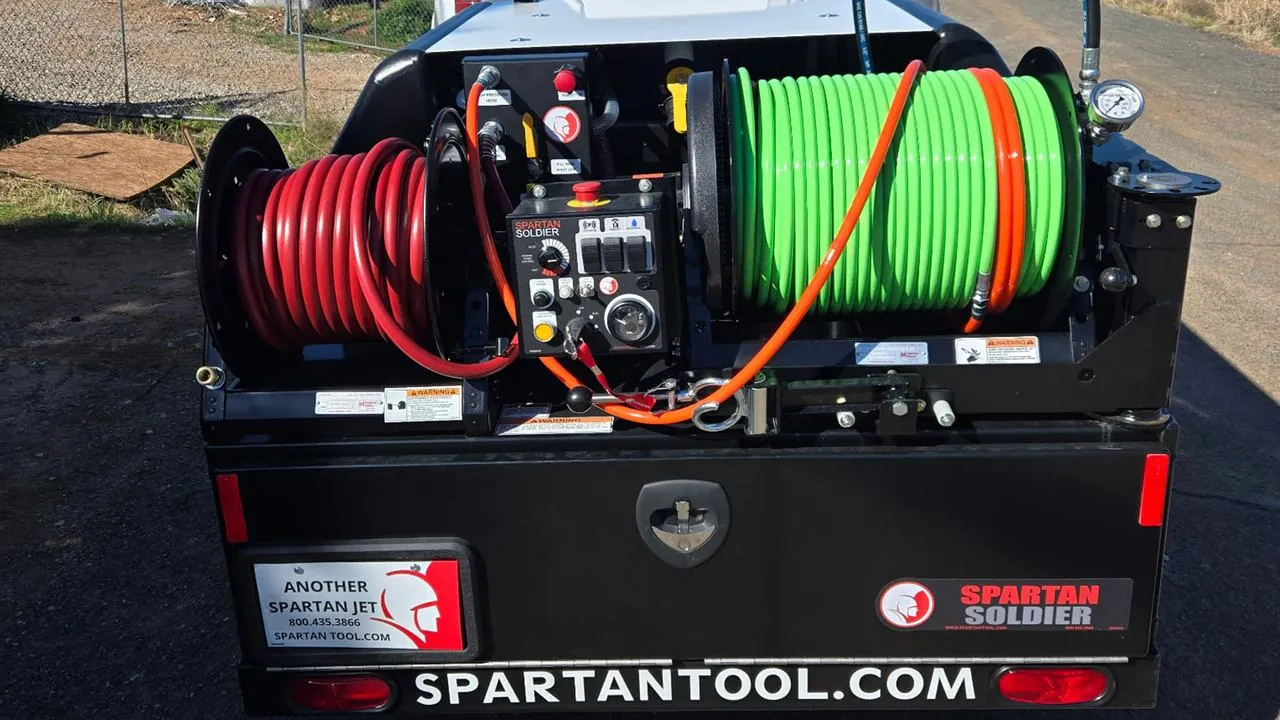
The hydro jetting vs snaking decision can mean the difference between a temporary fix and a lasting solution for your drain problems. Hydro jetting uses ultra-high-pressure water reaching up to 4,000 PSI to blast away clogs and scrub pipe walls clean, while snaking mechanically breaks through blockages. This guide covers the pros and cons of each method, when each works best, and whether hydro jetting is better than snaking for your situation. Our team handles both as part of our drain cleaning service.
Snake vs Hydrojet: Understanding Both Methods
Both methods attack drain clogs, but the snake vs hydrojet comparison reveals very different approaches to the same problem. You need to understand how each technique works to recognize which solution matches your specific drain issue.
What Plumbing Snakes Actually Do
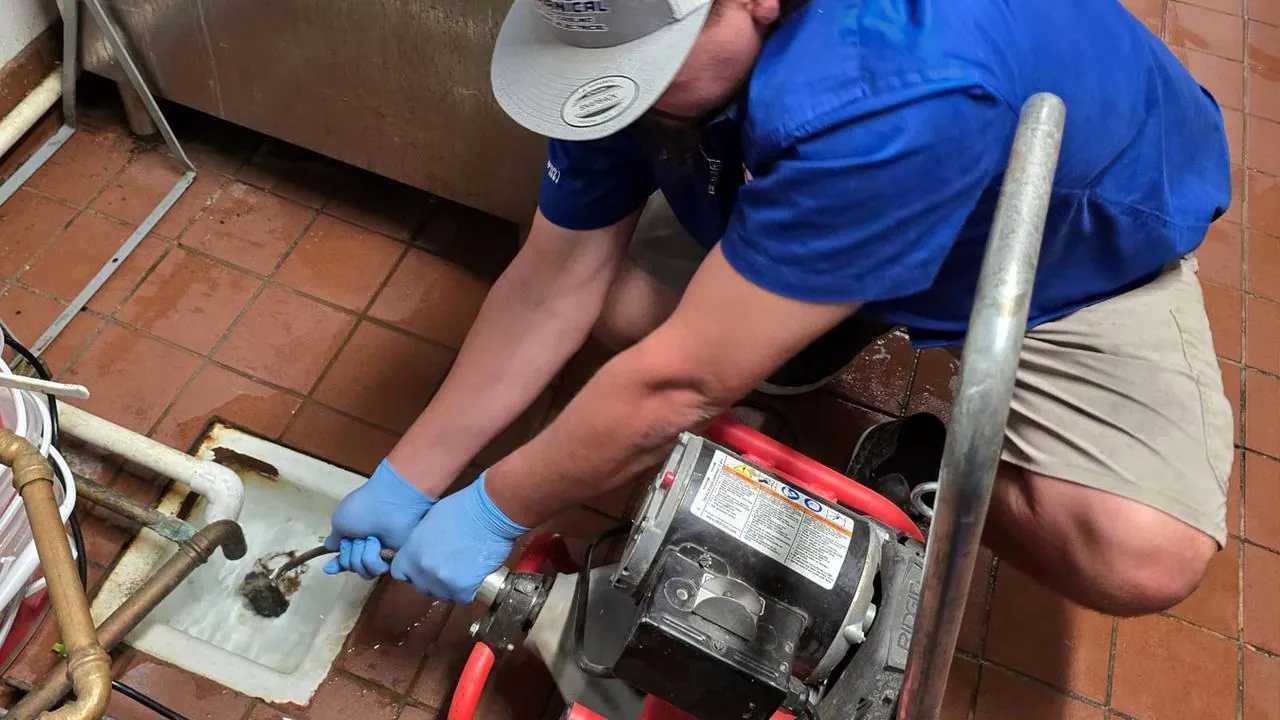
Plumbing snakes rely on mechanical force to penetrate blockages. These flexible steel cables feature a corkscrew-shaped cutting head at one end that contacts and breaks through obstructions. Professional-grade snakes range from 25-foot handheld units for simple clogs to 200-foot motorized machines for main sewer lines.
The cable rotates while feeding into your drain and allows the cutting head to grab debris, shred it into smaller pieces, or pull it back through the line. Manual augers extend 25 to 50 feet with rotating handles you crank by hand. Motorized versions deliver up to 200 RPMs of torque-controlled rotation and can reach deeper into your plumbing system.
Different cable diameters handle various pipe sizes. Cables range from 1/4 inch for sink drains to 5/8 inch for main lines, with specialized tips attached to match clog type. Corkscrew heads entangle hair while C-cutter blades slice through grease buildup. The snake pokes holes through sludge and debris to restore water flow.
The Science Behind Hydro Jetting
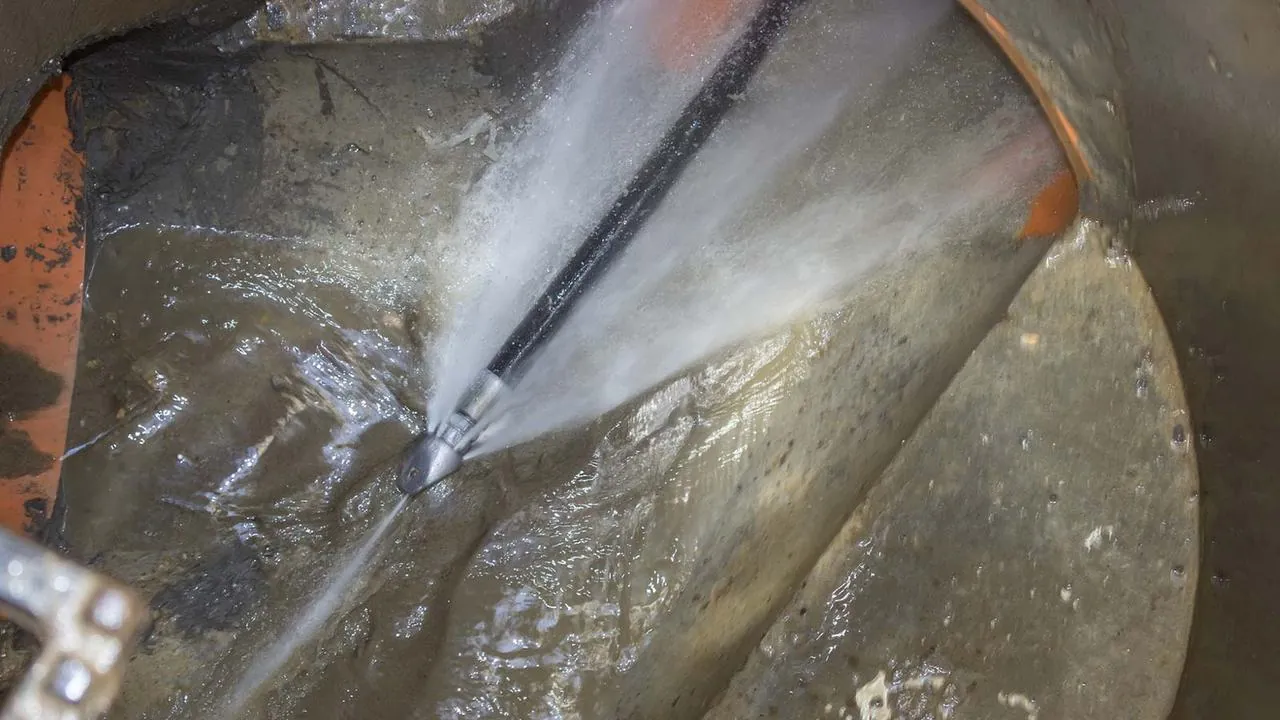
Hydro jetting operates on a different principle. Water under extreme pressure becomes a cutting tool that scours pipe interiors clean. The process requires specialized equipment including a jetting machine, pressure pump, reinforced hose, and interchangeable nozzles.
Professional hydro jetting systems generate pressure levels between 1,500 and 4,000 PSI with flow rates reaching 18 gallons per minute. The pressure pump transforms static water into a high-force stream tailored to your pipe condition and blockage severity. Forward-facing jets bore through obstructions while rear-facing jets scour walls and propel the hose forward through your system.
Nozzles come in different configurations for specific tasks. Penetrating nozzles break through thick obstructions, rotating nozzles provide uniform cleaning, and specialized root-cutting nozzles handle fibrous clogs. Plumbers perform video inspections to assess pipe condition and locate blockages before starting. This step proves critical because older or damaged pipes may not withstand the water pressure safely.
The jetting hose enters through a cleanout access point, and pressurized water shoots down the pipe to flush away obstructions. Hydro jetting removes debris and leaves pipe walls clean, unlike snaking which creates pathways through blockages.
Key Differences at a Glance
The hydro jet vs snake difference centers on how thorough the cleaning is. Snaking breaks through clogs but often leaves residue clinging to pipe walls. Hydro jetting delivers wall-to-wall cleaning that removes almost all buildup.
Cable machines excel at cutting roots and retrieving solid objects like toys or jewelry that fall into drains. Jetters handle grease, scale, mineral deposits, and tree roots better. Many professionals use both methods in sequence: cable first to break through tough blockages, then jet to flush remaining debris.
The hydrojet vs snake choice also involves risk assessment. Snakes work better with fragile piping systems, especially when you have homes built before 1960 with clay or early cast iron pipes unable to handle high water pressure. Hydro jetting poses damage risks to frail pipes but cleans modern PVC and ABS systems without concern.
Nichols has the expertise and equipment to perform both methods based on your specific drain condition and cleaning needs.
Advantages and Limitations of Each Approach
Budget often drives the initial choice of method, but understanding the complete picture of benefits and limitations prevents costly mistakes down the line.
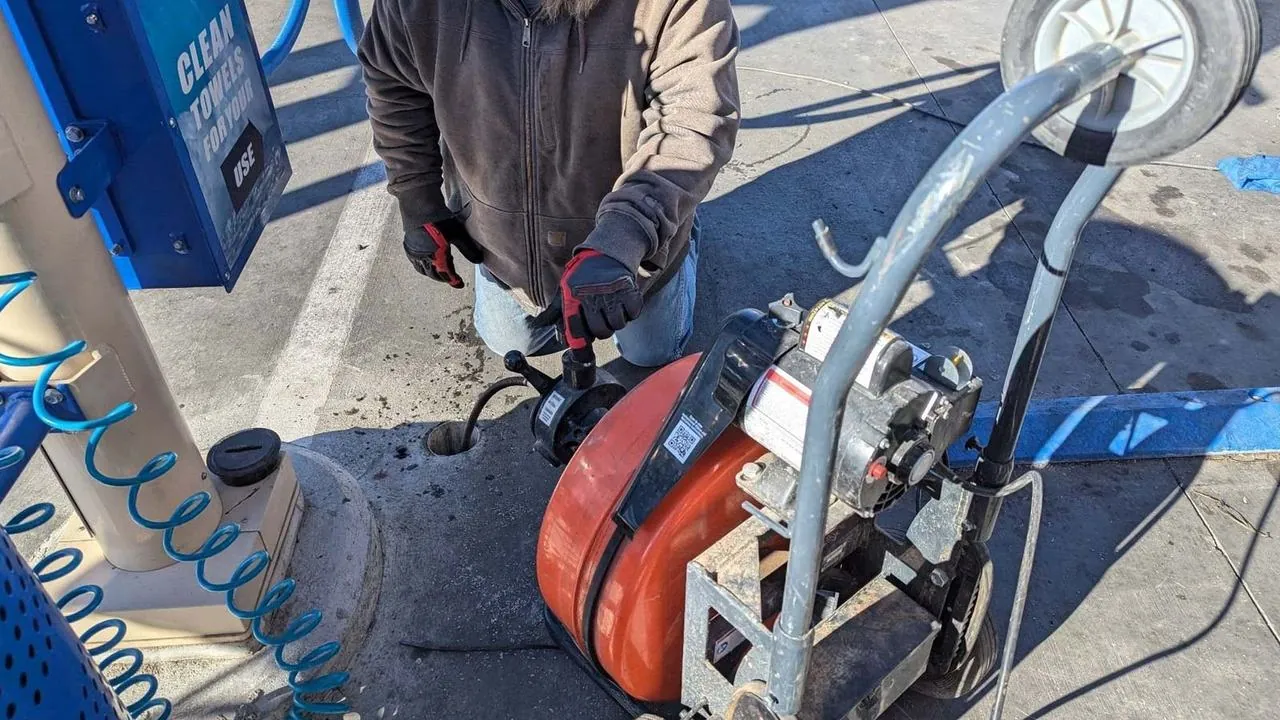
Benefits of Traditional Snaking
Snaking delivers several practical advantages that keep it relevant despite newer technologies. Cost stands out as the most obvious benefit. Professional snake services charge substantially less than hydro jetting for straightforward blockages. This makes snaking available when you just need relief without major financial commitment.
The method also proves gentle on vulnerable plumbing. Older homes with clay pipes or early cast iron systems can't always handle high-pressure water, but mechanical cables work safely on these fragile materials. Snaking avoids the harsh chemical damage that store-bought cleaners inflict and protects both your pipes and the environment.
Snakes excel at retrieval tasks for specific blockage types. Hair clumps, paper wads and accidentally flushed jewelry respond well to the corkscrew mechanism. Professional plumbers diagnose the clog cause and select appropriate attachments to ensure proper removal without complications. The process takes less time than jetting setup and provides quick restoration of normal drainage.
Drawbacks of Mechanical Cable Cleaning
Despite these benefits, snaking has substantial limitations. The main weakness involves incomplete cleaning. Cables punch holes through blockages to restore water flow, but grease films, soap residue and mineral deposits remain coating pipe walls. This leftover buildup causes clogs to reform faster, often within weeks.
Cable length restrictions create another obstacle. Standard 25-foot snakes can't reach deep main line blockages. Even extended 50-foot models may fall short in properties with long sewer runs. The technique sometimes pushes debris deeper into the system rather than extracting it and potentially worsens the situation.
Tree root intrusions expose snaking's most critical flaw. Cables cut through roots but don't remove root structures. Roots regrow through the same entry points and necessitate repeated service calls. Improper snake operation also risks scratching porcelain fixtures or damaging corroded pipe sections.

Hydro-Jetting Pros and Cons Explained
Hydro jetting addresses snaking's shortcomings through detailed interior scouring. Pressurized water removes buildup entirely and restores pipes to near-original capacity. This thorough cleaning usually keeps lines clear longer than snaking does. Roots are flushed out of the line rather than just cut through.
The process uses only water and eliminates chemical exposure to groundwater and septic systems. Restaurants and other commercial kitchens often use jetting to keep grease lines clear.
But hydro jetting costs more upfront due to specialized equipment requirements. The technique demands professional expertise and thorough pre-inspection with camera systems. Old or damaged pipes face burst risks under high pressure. Pipes that are corroded, cracked or collapsed need repair before jetting becomes viable.
When Each Method Falls Short
Each approach has clear failure points. Snaking struggles with heavy grease accumulation and mineral scale that cables can't scrape away. Hydro jetting fails when pipe damage already exists, as pressure exacerbates cracks and can cause complete collapse. Neither method fixes structural problems like bellied lines where pipes have settled and create permanent low spots.
Nichols evaluates your specific situation to determine which method delivers best results for your plumbing system.
Is Hydro Jetting Better Than Snaking? The Real Answer
To answer whether hydro jetting beats snaking, you need to assess multiple variables specific to your property. The answer depends on your specific situation, pipe condition, and cleaning objectives. Neither method outperforms the other in all scenarios.
Factors That Determine the Best Method
Effectiveness levels differ between approaches. Snaking creates pathways through blockages while jetting removes blockages in their entirety. Jetting provides superior results for recurring clogs caused by buildup because it eliminates the residue that snaking leaves behind.
Problem complexity often determines the better choice. Simple clogs respond well to snaking, while complex blockages with grease, roots, or mineral buildup need complete cleaning power. You need accurate diagnosis of what's blocking your drain before selecting a method.
Pipe compatibility varies. Modern PVC and ABS pipes handle jetting pressure with ease, while older clay or damaged pipes may require gentler snaking approaches. Keep in mind that pipe condition matters more than age when you assess hydro jetting safety. Pipes in good condition tolerate high-pressure water whatever their installation date, whereas damaged pipes face burst risks even if installed recently.
Blockage Type and Severity
Tree roots present unique challenges where hydro jetting excels. Jetting proves much safer and more effective for clearing sewer lines clogged with tree roots. Rooting machines can handle thinner roots but struggle with thicker intrusions and pose danger to operators attempting to cut through substantial root masses.
But thick solid clogs from flushed items like diapers, feminine hygiene products, and wet wipes may resist hydro jetting. These dense blockages require snaking first to drill through the obstruction. Professionals sometimes combine both methods when tree roots capture other solids and create several inches of packed material. Snaking punches through first, then jetting finishes the cleaning.
Your Plumbing System's Age and Condition
Damaged pipes can worsen under high-pressure service whatever their age. This reality makes thorough inspection critical before hydro jetting. Sewer camera inspections provide live video that reveals potential issues within your pipes. Plumbing professionals assess specific challenges your pipe type may have before proceeding.
Older systems with years of buildup benefit most from jetting's complete cleaning capability. Homes with aging or fragile pipes find manual or electric snakes safer options. Corroded or weakened lines can't withstand 4,000 PSI water pressure.
Budget Considerations and Long-Term Savings
Cost considerations involve both immediate expenses and long-term value. While snaking costs less upfront, frequent repeat services can exceed single thorough jetting session costs. Jetting reduces clog frequency and helps avoid emergency calls, which cost more than scheduled service.
Nichols evaluates your full picture before recommending a solution. Our team can perform either hydro jetting or snaking based on what your specific plumbing system requires.
Matching the Right Solution to Your Specific Clog
Different clogs respond to different treatment methods. Match the right approach to your specific blockage and save both time and money.
Hair and Soap Buildup in Bathroom Drains
Hair clogs develop when strands catch on drain parts and combine with soap scum. This blocks water flow over time. Snaking works well for simple hair blockages close to drain openings and pulls out hair clumps. But hair binds with soap and skin oils, coating pipe surfaces. If your bathroom drain clogs again and again, you need full line clearing beyond just the visible portion near the opening.
Grease Accumulation in Kitchen Lines
Kitchen drains handle grease, starch and food particles. Even small amounts of cooking oil and butter accumulate and stick to pipe walls as they cool. Grease creates sticky buildup that traps food scraps and debris. This restricts water passage and causes slow drainage. Snaking punches holes through grease blockages for a short time but leaves oily films coating pipes. Hydro jetting works better for grease because high pressure scours the residue off the pipe walls. The fix involves restoring full pipe diameter when buildup has already narrowed the line.
Tree Root Intrusion in Sewer Pipes
Tree roots are a leading cause of sewer blockages. Roots detect moisture from pipe cracks or loose joints. They penetrate tiny openings and expand to fill pipes, feeding on water and nutrients. Hydro jetting uses pressure up to 4,000 PSI and cuts through roots to clear pipes. Snaking cuts roots for a short time but doesn't remove root structures. This allows rapid regrowth through the same entry points. Hydro jetting clears roots more thoroughly, but they can grow back until the damaged pipe section is repaired.
Recurring Clogs That Keep Coming Back
Repeated clogs signal a pattern caused by buildup, habits or hidden damage that reduces pipe capacity. Stop thinking of clogs as isolated events and start treating them as system problems. Multiple drains backing up at once, gurgling sounds or foul odors indicate deeper issues in your sewer line. These situations need professional intervention beyond surface-level fixes.
Emergency Situations Requiring Immediate Relief
Emergency clogs demand action right away when multiple drains clog at once, foul odors indicate sewer backup, or water overflows causing potential damage. Snaking provides faster relief because it needs less setup time and restores drainage quickly. Plungers work for common clogs by creating suction and pressure. When DIY methods fail or severe blockages affect your main sewer line, professional equipment becomes necessary.
Trusting Nichols for Expert Drain Cleaning
Professional service quality separates temporary fixes from lasting solutions when addressing the hydro jetting vs snaking decision.
Professional Assessment Before Any Work Begins
Accurate diagnosis comes before drain cleaning work. Advanced camera inspection technology provides live video inside pipes and allows precise identification of blockages and structural issues. These cameras travel through drainpipes and transmit images to monitors. They give complete interior views unreachable by traditional means.
Video inspections detect hidden problems like cracks or tree root intrusion before they escalate into major damage. This diagnostic step determines whether hydro jetting or snaking best suits your specific situation. The chosen method addresses why it happens rather than providing temporary relief.
State-of-the-Art Equipment for Both Methods
Modern hydro jetting systems include pressure monitoring and adjustable nozzles. They enable thorough cleaning without risking pipe damage. Professional-grade equipment handles both snake and hydrojet applications effectively. Specialists are trained to operate each method.
Transparent Pricing
Flat-rate pricing eliminates surprises and hourly charges. You know the full cost before work begins, with no hidden fees or unnecessary upselling. Technicians test drains to confirm water flows freely once they clear blockages.
Conclusion
The hydro jetting vs snaking debate has no universal winner. Snaking offers budget-friendly relief for simple clogs but leaves residue behind. Hydro jetting delivers thorough cleaning at higher cost, provided your pipes can handle the pressure. Keep in mind, the right choice depends on your blockage type, pipe condition, and long-term goals rather than cost alone.
Professional assessment prevents expensive mistakes and will give lasting results instead of temporary fixes. We review your specific situation and recommend the solution that solves your problem.
Key Takeaways
When choosing between hydro jetting and snaking for drain clogs, the decision depends on your specific situation, pipe condition, and cleaning goals rather than a one-size-fits-all approach.
• Snaking creates pathways through clogs while hydro jetting removes them entirely - snaking is cheaper upfront but leaves residue that causes recurring blockages
• Pipe condition determines safety, not age - modern PVC pipes handle 4,000 PSI pressure easily, while damaged pipes risk bursting regardless of installation date
• Match the method to your clog type - tree roots and grease buildup need hydro jetting's comprehensive cleaning, while simple hair clogs respond well to snaking
• Professional camera inspection prevents costly mistakes - accurate diagnosis before treatment ensures the right method addresses root causes, not just symptoms
• Long-term value often outweighs upfront costs - hydro jetting's thorough cleaning keeps lines clear longer than snaking, reducing repeat service expenses
The key is professional assessment to determine which method delivers lasting results for your specific plumbing system and blockage type.
FAQs
Q1. Which method is more effective for deep sewer line clogs? Hydro jetting is the superior choice for deep sewer line clogs. While snakes can break through shallow blockages, they don't completely clean the pipe interior like hydro jetting does, which scours away all buildup and debris for a more thorough solution.
Q2. Can hydro jetting damage older pipes? Yes, hydro jetting can be too harsh for older or weakened pipelines. The high-pressure water (up to 4,000 PSI) may cause damage to fragile, corroded, or cracked pipes. A professional camera inspection should always be performed first to assess pipe condition before choosing this method.
Q3. Is it worth doing preventive maintenance on sewer lines? Annual hydro jetting can be beneficial for preventive maintenance, especially in rental properties or multi-unit buildings. While snaking addresses immediate blockages, jetting helps prevent future issues by thoroughly cleaning the pipes. However, if your sewer line hasn't caused problems and is working fine, preventive maintenance may not be necessary.
Q4. Should I snake first or go straight to hydro jetting? For recurring clogs, many professionals recommend snaking first to clear the immediate blockage, then following up with hydro jetting to thoroughly clean the pipes. A camera inspection afterward confirms everything is clear and identifies any underlying structural issues.
Q5. What's the typical cost difference between snaking and hydro jetting? Snaking typically costs less than hydro jetting. Though hydro jetting costs more upfront, it provides more comprehensive cleaning that lasts longer, potentially reducing the frequency of repeat service calls and offering better long-term value.