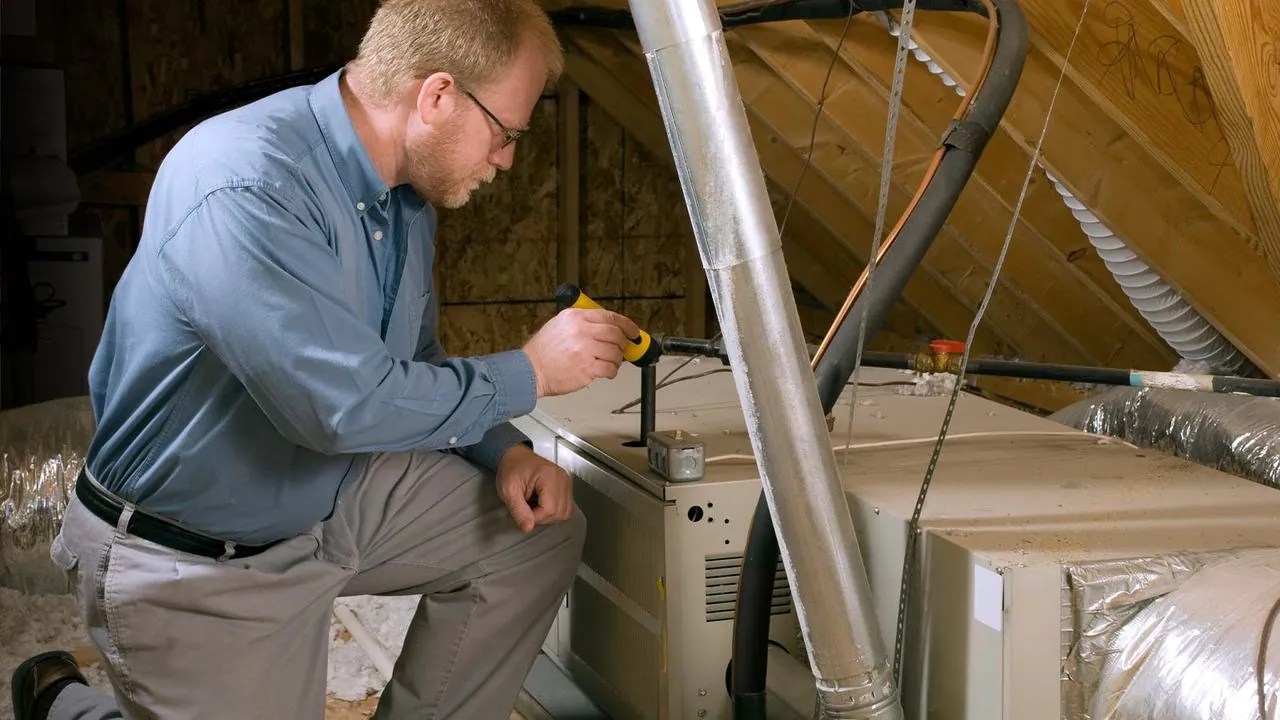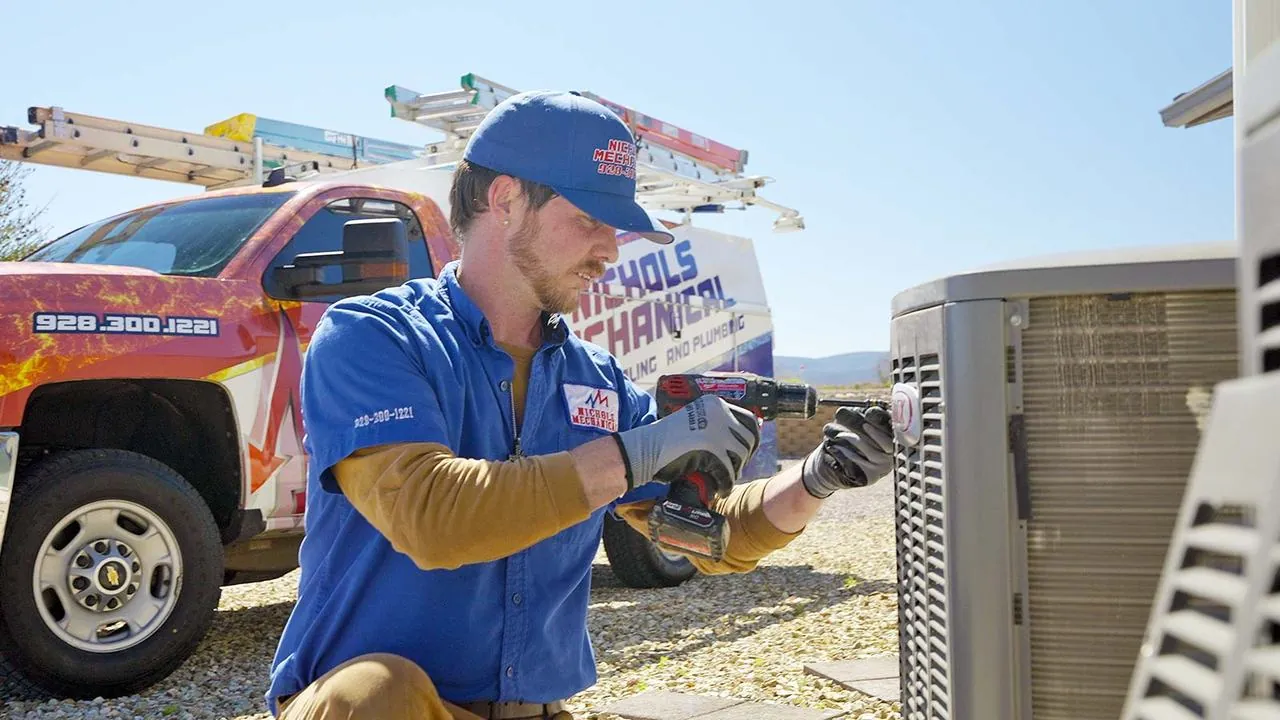
It's 98 degrees in Cottonwood and you notice the house isn't getting any cooler. The AC is running — you can hear it — but the air coming from the vents isn't doing anything. Before you call a technician, there are several checks that take less than five minutes and resolve a significant portion of no-cooling complaints without a service call.
This guide walks you through those checks in order, explains the most common causes when the system genuinely isn't cooling, and tells you clearly when to stop troubleshooting and get a licensed technician involved. For everything that does need professional attention, Nichols handles AC repair across Cottonwood, Prescott, Camp Verde, Sedona, and the surrounding Verde Valley.
5-Minute Checks to Run Right Now
Work through these in order before drawing any conclusions about what's wrong. They're fast, free, and often the entire solution.
Why Your AC Is Not Cooling the House: Common Causes
If the quick checks above didn't solve it, one of these underlying issues is almost certainly responsible. Understanding them helps you describe the problem accurately when you call — which speeds up diagnosis.
-
Frozen evaporator coil
When airflow across the indoor coil drops too low — usually from a clogged filter or blocked return vent — the coil temperature falls below freezing and ice forms. Once frozen, the coil can't absorb heat, and cooling stops. You may notice ice on the copper refrigerant lines near the air handler.
If this is the case, switch the system to Fan Only (not Cool) and leave it running to thaw the coil — this typically takes 1 to 3 hours. Don't run cooling again until you've addressed the airflow restriction that caused the freeze — if you can't find one, call for service.
-
Refrigerant leak
Refrigerant doesn't get "used up" — it circulates in a closed loop. If levels are low, there's a leak somewhere in the system. A refrigerant leak forces the AC to work harder while producing less cooling, and it can eventually cause the compressor to overheat. Signs include the system running constantly without reaching the set temperature, ice on the lines, or a hissing sound near the outdoor unit. Refrigerant work requires EPA certification — this is not a DIY repair.
-
Dirty outdoor condenser coil
The outdoor unit releases the heat pulled from your home. When the condenser fins are coated in dust, pollen, and debris — which happens quickly in the Verde Valley — heat transfer suffers. The system works harder, efficiency drops, and eventually the unit may overheat and shut down on a high-pressure lockout. Keeping the coil clean is one of the most impactful maintenance tasks you can do.
-
Failed capacitor or contactor
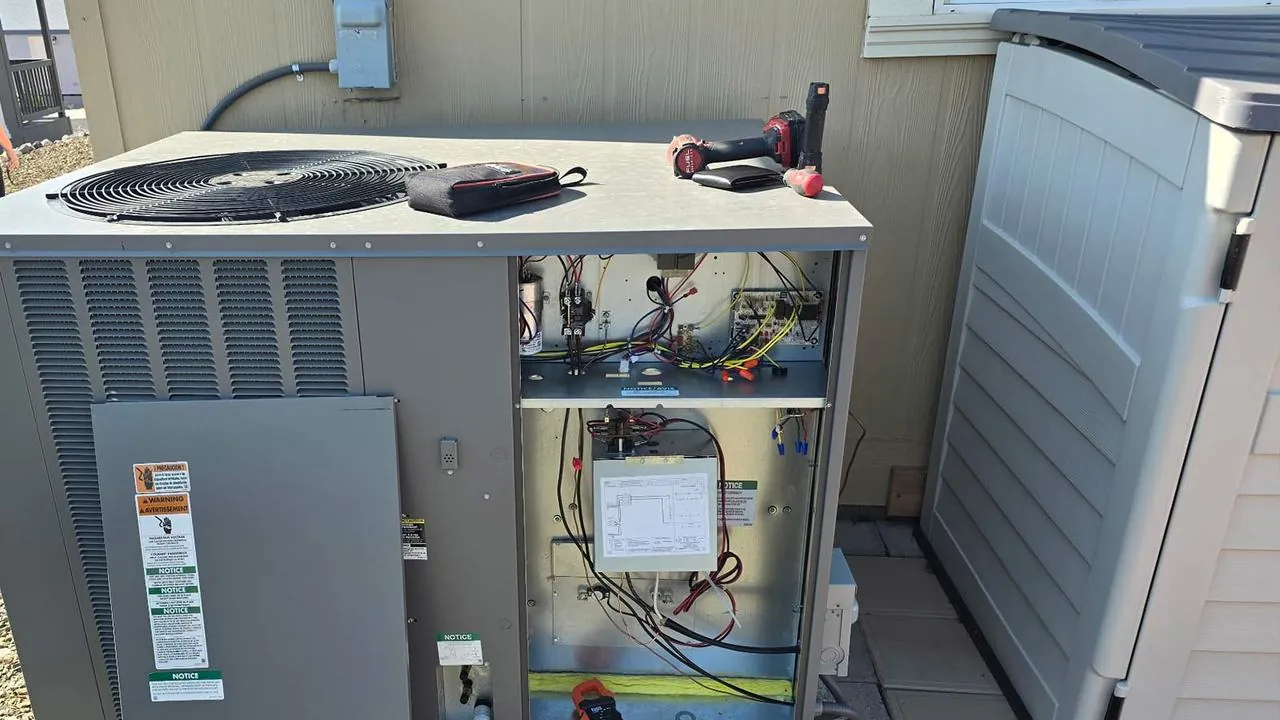
Capacitors give the compressor and fan motors the jolt of electricity they need to start. Contactors are the switches that open and close to send power to the outdoor unit. Both wear out over time — capacitors are especially common failures in Arizona's heat. A bad capacitor often presents as a system that hums but won't start, or a fan that won't spin. These are affordable repairs when caught early.
-
Faulty thermostat
A thermostat that isn't reading room temperature accurately — due to age, dust buildup on sensors, or poor placement near heat sources like lamps or sunny windows — can cause the system to cycle incorrectly. If your thermostat display shows a temperature that doesn't match what a separate thermometer reads in the same room, the thermostat itself may be the problem.
-
Blocked or closed supply/return vents
Furniture pushed against vents, closed registers, or return air grilles blocked by rugs or drapes starve the system of the airflow it needs to function. This raises static pressure inside the ducts, which stresses the blower motor and can lead to frozen coils. Every supply and return vent in the home should be open and unobstructed, even in rooms you don't regularly use.
How to Test Whether Your System Is Actually Working
Before assuming something is broken, this quick test tells you whether the system is performing as designed — or genuinely not cooling as it should.
The Temperature Difference Test
Run the AC for at least 15 minutes before testing. Use a thermometer (a cooking thermometer works fine) to measure the air temperature at a supply vent — one of the vents blowing air into the room. Then measure the temperature at a return vent — the larger grille that pulls air back into the system. The supply air should be 14 to 20°F cooler than the return air.
A gap smaller than 14°F typically means low refrigerant, a dirty coil, or restricted airflow. A gap larger than 20°F usually points to severely restricted return airflow — the system is over-cooling a small volume of air because it's not getting enough. Either reading outside the normal range warrants a call to Nichols for an AC inspection.
Check the Outdoor Unit
When the thermostat calls for cooling, walk outside within a minute or two. The condenser fan should be spinning and blowing warm air upward from the top of the unit. Place your hand about a foot above — it should feel noticeably warm. If the fan isn't spinning, or if the unit is completely silent while the indoor air handler is running, the outdoor unit has a problem — likely a capacitor, contactor, or electrical issue.
Check the Refrigerant Line
Find the larger of the two copper pipes running from the outdoor unit into your home — it should be wrapped in black foam insulation. Touch the exposed copper between the insulation and the unit. When the system is working correctly, this line should feel cold and may have condensation on it. A warm or dry suction line suggests low refrigerant or an airflow problem worth investigating.
Look for Condensate Drainage
A working AC removes humidity from the air, and that moisture exits through a condensate drain line — typically a white PVC pipe exiting through an exterior wall near the air handler. When the system is running in humid conditions, you should see water dripping from this pipe. No drainage during extended operation can mean the drain line is clogged, which can trigger the system's float switch and shut down cooling entirely to prevent overflow.
Rule of thumb: If the outdoor unit is running, the refrigerant line is cold, and the temperature difference at the vents is in the 14–20°F range, your AC is doing its job. The issue may simply be that the home needs more time to cool down — or that the system is undersized for the current heat load. If none of those conditions are met, something needs attention.
Warning Signs That Require a Professional
Some AC problems are genuinely not DIY territory — either because they involve refrigerant (which requires EPA certification to handle), high-voltage electrical components, or compressor diagnosis that requires specialized equipment. If you're seeing any of the following, stop troubleshooting and call for service.
- Grinding, squealing, banging, or rattling sounds These indicate mechanical problems — loose components, motor bearing failure, or debris inside the unit. Running the system with these sounds risks additional damage to the compressor or fan motor.
- Burning or electrical odors A burning smell from the vents means something is overheating — wiring, a motor winding, or a capacitor. Turn the system off at the thermostat and call a technician before running it again.
- Musty or mold smell from vents Persistent musty odor indicates mold or mildew growth inside the air handler or ductwork. This is a health concern beyond just an AC issue. An air duct cleaning and professional inspection of the drain pan and coil are the appropriate next steps.
- Breaker trips repeatedly after reset A breaker that trips once may have simply been a momentary overload. A breaker that trips again within an hour of reset is telling you something is drawing too much current — a compressor that's struggling, a short in the wiring, or a failing motor. Do not keep resetting it.
- Short cycling — the system turns on and off every few minutes Short cycling puts significant stress on the compressor, which is the most expensive component in the system. Common causes include an oversized system, low refrigerant, a failing thermostat, or a dirty coil causing high-pressure lockout. Each cause requires a different fix.
- Unexplained spike in electricity bills If your APS or utility bill has jumped significantly without a change in how much you're running the AC, the system is working harder than it should — usually due to low refrigerant, a dirty coil, or a failing component. This is worth investigating before it becomes a full breakdown.
Nichols Plumbing, Electrical, & HVAC provides same-day AC repair service in Cottonwood and the surrounding Verde Valley. Our technicians inspect the full system, identify the root cause, and walk you through repair options and pricing before any work begins. Every repair is backed by a satisfaction guarantee.
How to Avoid This Next Summer
Most no-cooling calls in the Verde Valley are preventable. The same issues — dirty filters, clogged condenser coils, worn capacitors — show up year after year on systems that never received a proper spring inspection. A few consistent habits change that pattern.
Change the air filter before summer
In Cottonwood, Prescott, and across the Verde Valley, filters load up fast — especially during dusty spring months and monsoon season. Check your filter monthly during heavy-use periods (June through September) and replace it when dirty regardless of how recently you put a new one in. A 1-inch filter in a dusty environment may need replacing every 30 days during summer.
Schedule a spring tune-up before peak heat
A professional AC tune-up between March and May covers the inspections and adjustments that catch failing capacitors, low refrigerant, dirty coils, and drainage issues before they cause a breakdown in July. This is the most reliable way to avoid the emergency call during the hottest week of the year. Nichols also offers maintenance plans with scheduled tune-ups built in.
Keep the outdoor unit clear year-round
Trim vegetation at least two feet away from all sides of the condenser. After monsoon storms, check the unit and clear any debris from the fins. An annual professional coil cleaning removes the buildup that a garden hose can't reach inside the unit — this alone can measurably improve system efficiency heading into summer.
Don't ignore early warning signs
Unusual noises, a slightly longer-than-normal run time, or a gradual rise in your utility bill are all early signals worth investigating. Addressing a worn capacitor or low refrigerant before the season peaks is almost always less expensive — and less disruptive — than a full system failure in August. Schedule a repair assessment when you notice something off, not when the unit stops working entirely.
Still Not Cooling After the Checks?
Nichols Plumbing, Electrical, & HVAC offers same-day AC repair across Cottonwood, Prescott, Camp Verde, Sedona, and the Verde Valley — with upfront pricing and a satisfaction guarantee on every repair.
Request AC Service